Explore Barcelona

The best things to do in Barcelona, curated by locals. Events, restaurants, nightlife and the spots worth knowing – updated weekly.

Upcoming events

Like a Dance of Starlings
Arts & Culture

Like a Dance of Starlings

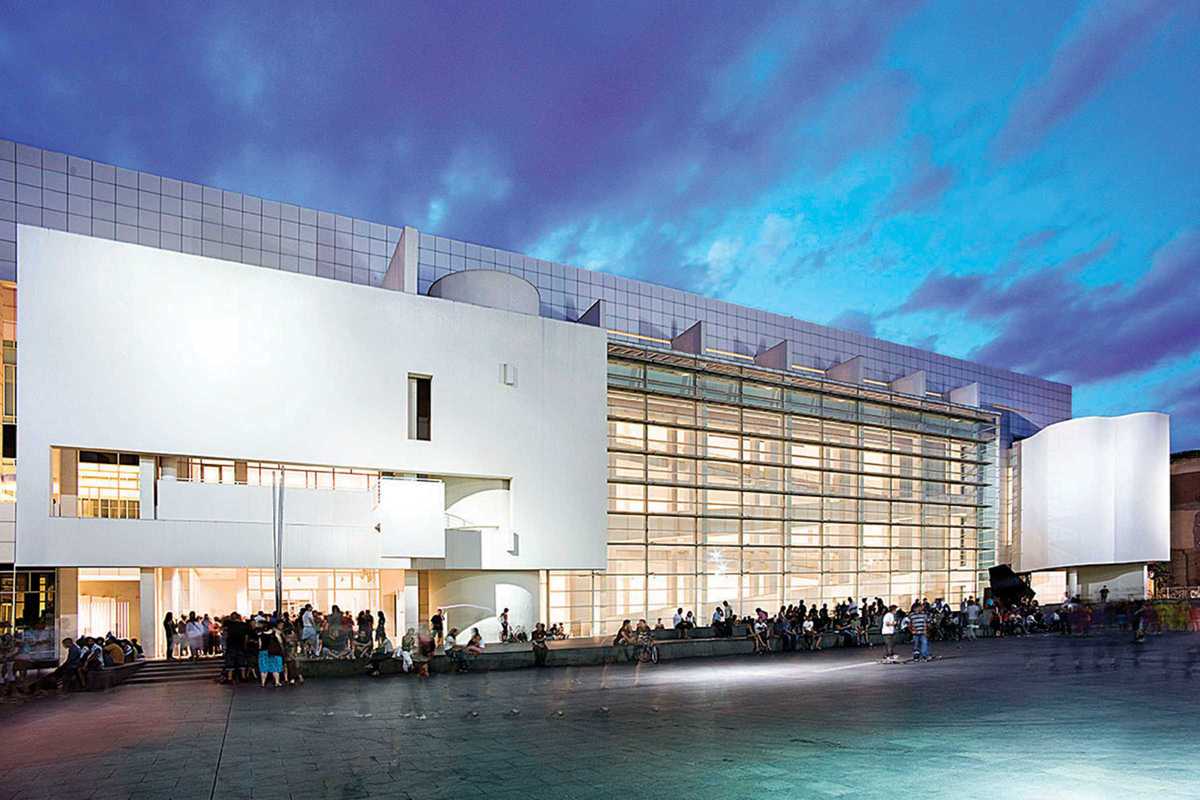
MACBA’s exhibition Like a Dance of Starlings: MACBA Collection – Thirty Years and Infinite Ways of Being reflects on its 30-year journey through a metaphor of starling murmuration - a fluid, collective movement that mirrors how subjectivity and identity evolve.Rather than offering a chronological retrospective, the show is organised around “connective nodes”: themes like hybrid identity, spiritual worlds, community and ritual. It highlights how identities are shaped not in isolation, but through social struggle, shared experiences and constant transformation.The exhibition includes around 50 artists from the MACBA Collection - including Jean-Michel Basquiat, Àngels Ribé, Esther Ferrer and Claudia Andújar - plus newly acquired works. It also reaches beyond the museum: three works are displayed in schools via MACBA’s “Out of Storage” programme. The celebration of MACBA’s thirtieth anniversary is an apt moment to take stock and look back over how the museum’s past has shaped its present, as well as a welcome opportunity to appreciate how it has evolved.

MACBA
Nov 28 – Sep 28
€12
Joaquim Gomis Transatlantic
Arts & Culture

Joaquim Gomis Transatlantic

Joaquim Gomis Transatlantic spotlights Joaquim Gomis at his most restless and modern: a young, self-taught photographer crossing the United States in the 1920s with little more than a camera and sharp visual instinct. These images reveal how quickly a new world was being built, and how quickly Gomis learned to see it.The photographs capture oil fields, the cotton industry, and the rise of early skyscrapers, alongside striking details from the ocean liner deck that carried him across the Atlantic. Together, they feel both documentary and experimental - compositions that anticipate the “New Vision” language of modern photography.Looking at them now, the series also reframes Gomis as more than a cultural figure behind Fundació Joan Miró (where he later became its first president): it’s a glimpse of a photographer already thinking in modern angles, textures and scale, making industry, travel, and transformation look unexpectedly cinematic.

Fundació Joan Miró
Feb 10 – Jul 12
€18
Anna Moreno. The Third Twist
Arts & Culture

Anna Moreno. The Third Twist

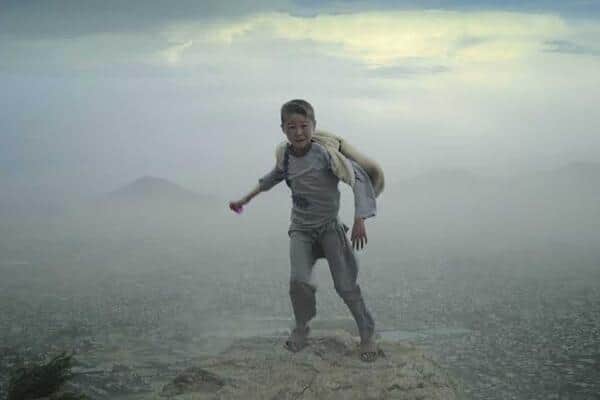
MACBA welcomes Anna Moreno: The Third Twist, an exhibition that uses utopian architecture as a time machine, asking what happens when big modern dreams meet messy reality. Moreno works like an artist-cum-detective, tracing how places built for the future age crack, and start telling different stories.At its centre is The Terminal Beach, a road-movie-style film that follows the remains of a nomadic settlement commissioned in 1979: an ambitious project in the Algerian Sahara designed during Ricardo Bofill’s utopian era, when his studio operated as a kind of interdisciplinary collective. The site was never completed, and Moreno uses its unfinished state to explore the tension between idealism and the aftermath of colonial modernity.The show brings together three recent works, linking Bofill’s projects with the speculative imagination of J. G. Ballard: part archaeology, part sci-fi mood-board, and a quietly haunting look at how the future can slip out of reach.

MACBA
Feb 13 – Jul 15
€12
Basel Abbas and Ruanne Abou-Rahme
Arts & Culture

Basel Abbas and Ruanne Abou-Rahme

Basel Abbas and Ruanne Abou-Rahme: Prisoners of Love: Until the Sun of Freedom is the duo’s first exhibition in Spain. It’s a powerful, research-led exhibition that treats sound, image and storytelling as forms of resistance. Based between New York and Ramallah, these Palestinian artists have been collaborating together since 2007 across image, sound, text and performance.At the centre of this exhibition is an immersive audiovisual installation shaped by their recent research into the resilience of former Palestinian prisoners, drawing on songs, poetry and everyday acts of resistance. Firsthand recordings and testimonies are layered with text and archival material, building a poetic but politically direct meditation on detention, freedom and survival under oppression. Presented alongside earlier works, the exhibition traces nearly two decades of practice and a sustained focus on memory, dispossession and struggles against oppression in Palestine and beyond.

MACBA
Feb 14 – Sep 28
€12
The Last Days of Pompeii 2026
Arts & Culture

The Last Days of Pompeii 2026

The Last Days of Pompeii turns ancient history into an incredible spectacle, using immersive projections, soundscapes, virtual reality and interactive installations to recreate the Roman city before disaster struck. It’s both an exhibition and digital theatre, inviting us to walk through streets, villas and public spaces as Pompeii comes back to life.The experience moves between archaeology and drama, with recreations of daily Roman life, the Villa of the Mysteries, gladiator battles and the looming eruption of Mount Vesuvius. There are also real artefacts and detailed replicas, grounding the digital effects in the material world of the ancient city.After success in cities including Madrid, London, Vienna and Beijing, the exhibition arrives in Barcelona as a fun and family-friendly journey through one of history’s most famous catastrophes. Tickets begin at 16.50 euros.

IDEAL
Mar 20 – Jul 19
€16.50
Chez Matisse
Arts & Culture

Chez Matisse

Chez Matisse. The Legacy of a New Painting is CaixaForum's deep dive into Henri Matisse. The exhibition tracks how he continued to reinvent painting, from his earliest self-portrait through to the radical freedom of his late works and gouaches. It widens the lens to show the dialogue around Matisse in 20th-21st century art: how his ideas about colour and the canvas as a pictorial surface reshaped modern painting and opened doors for later avant-garde artists. What you’ll actually see is a large selection of works (mostly from the Centre Pompidou), with Matisse pieces shown alongside artists he influenced, creating a conversation across generations. The route is organised into eight themed sections, moving from early modern movements (including German Fauves and Russian Neoprimitivists) through to the impact on American painting from the 1940s onwards.

CaixaForum
Mar 27 – Aug 16
€6
Seaside Stretching at the beach
Fitness & Wellness

Seaside Stretching at the beach

Swap your usual workout for a stretch session by the sea with Seaside Stretching at the Beach - a laid-back, all-levels class led by Marissa right by the waterfront.The format blends dynamic stretching, deep passive holds, and PNF techniques (a “contract-relax” method that helps you access a bit more range safely). It’s geared towards mobility, flexibility and body awareness, so it works whether you’re a runner, a desk-sitter, a gym person, or just someone who wants to move better.Expect a friendly, social vibe. You can show up solo, chat with other regulars, do the session with the waves in the background, and then you’re perfectly placed to grab a coffee, or stroll along the seafront. All you need to bring is yourself, a mat and a smile.

secret location
Apr 1 – Jul 29
€5
Kapwani Kiwanga
Arts & Culture

Kapwani Kiwanga

Kapwani Kiwanga’s Changing States brings one of contemporary art’s sharpest minds to Fundació Joan Miró for her first national retrospective. Winner of the 2025 Joan Miró Prize, the Canadian and French artist, who trained as an anthropologist, is known for installations that look formally elegant while quietly dismantling the power structures behind architecture, territory and the movement of materials.The exhibition explores how spaces are shaped by materiality, economic exchange and systems of control. It mixes existing works with a significant number of new pieces made for this show, while widening Kiwanga’s usual interest in architecture towards geology and deeper, non-human timescales.The programme includes conversations on colonial traces in ecosystems, dust, geology and ecological diaspora, including a dialogue between Kiwanga and geographer Kathryn Yusoff. The exhibition is in collaboration with TBA21 Thyssen-Bornemisza Art Contemporary.

Fundació Joan Miró
Apr 30 – Sep 13
€18
Out of Focus, another Vision of Art
Arts & Culture

Out of Focus, another Vision of Art

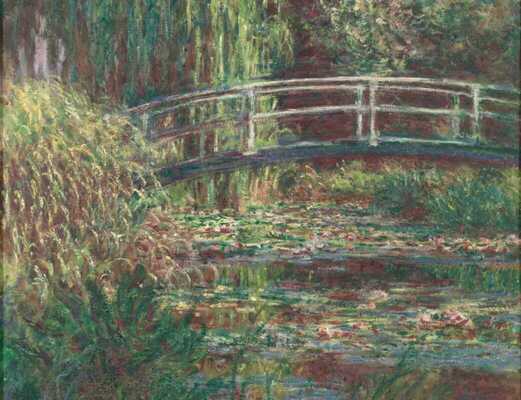
Out of Focus: Another View of Art at CaixaForum takes blur, haze and visual imprecision and treats them not as accidents, but as one of modern art’s most revealing tools. The exhibition starts with Monet’s Water Lilies - a key moment in introducing blur as an expressive device - and uses that idea to rethink how later artists have represented perception and the instability of what we see.It traces the aesthetic roots of blur from the nineteenth and early twentieth centuries into modern and contemporary art, bringing together painting, video, photography and installation by figures including J. M. W. Turner, Alberto Giacometti, Mark Rothko, Gerhard Richter, Thomas Ruff, Alfredo Jaar, Soledad Sevilla, Christian Boltanski, Bill Viola and Mame-Diarra Niang. At its core is the politics and poetics of unclear seeing: how blur can unsettle certainty, multiply points of view and open up new ways of understanding images.

CaixaForum
May 21 – Sep 27
€6
The Cult of Beauty
Arts & Culture

The Cult of Beauty

The CCCB’s latest exhibition, The Cult of Beauty, takes one of the most loaded ideas in culture and pulls it apart. Rather than treating beauty as something timeless or innocent, the exhibition looks at how aesthetic ideals have been built, enforced and sold across history by art, religion, medicine, politics and the market. It is adapted from a project first shown at London’s Wellcome Collection and arrives here with a clear critical edge.It moves from Antiquity to the present day and looks at skin, hair and flesh as sites of control, while also asking who gets excluded when beauty becomes a norm. It brings together artworks, historical documents, objects and contemporary installations, with names including William Hogarth, Laura Aguilar, Juno Calypso, Colita, Regina José Galindo, Lorenza Böttner, Arvida Byström and Sandra Gamarra.Tickets cost 6 Euros and it will be running until November.

CCCB
May 21 – Nov 8
€6
Open-Air Cinema at the Palace 2026
Film

Open-Air Cinema at the Palace 2026

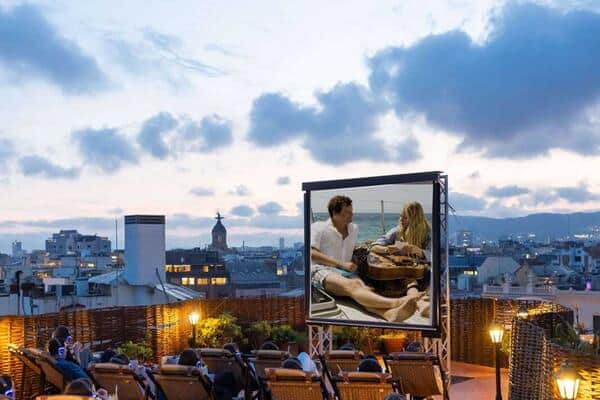
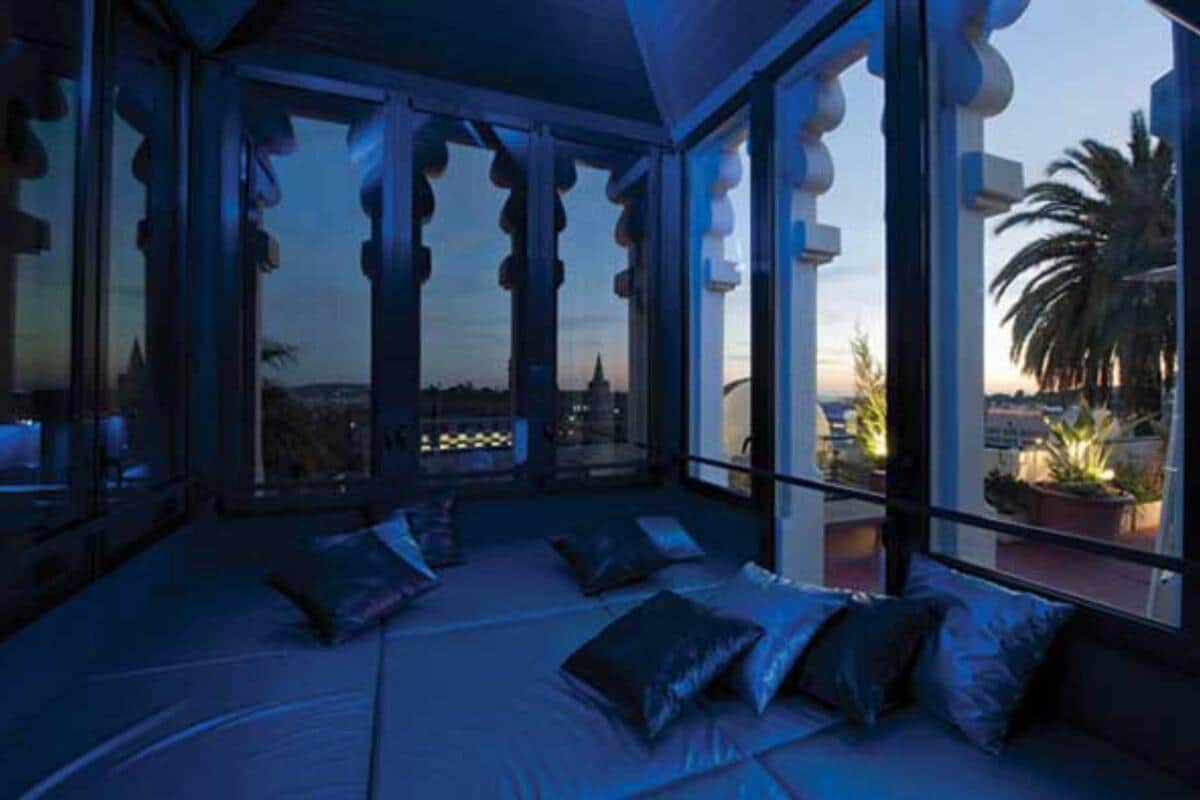
Cinema under the stars gets the five-star treatment at El Palace, where the hotel’s Rooftop Garden transforms into one of the city’s most elegant open-air screens. With skyline views and a little old-school glamour, this is a long way from your average movie night.This summer’s lineup features romantic favourites and feel-good classics, with screenings including Grease, Bridget Jones’s Diary, Casablanca, The Goonies, Roman Holiday, Pride and Prejudice, Hidden Figures, La La Land, Mamma Mia!, Notting Hill, E.T., Breakfast at Tiffany’s and The Devil Wears Prada. Films will be shown in the original version with Spanish subtitles.Settle into a hammock or premium deckchair, with freshly made popcorn and a St. Germain Spritz included. With limited capacity and panoramic views, it’s cinema as a proper summer evening out. Tickets start at 38 Euros. Book yours quickly as this one’s bound to sell out fast.

Hotel Palace
May 28 – Sep 30
€38
Talents Jazz a La Pedrera
Music

Talents Jazz a La Pedrera

Looking for something to do to while away the summer evenings? Talents Jazz returns to La Pedrera every Friday with one of the city’s most anticipated summer combinations: live jazz, Gaudí’s rooftop and the citywide views.The series champions emerging musicians and the 2026 edition doesn’t disappoint with a lineup that includes: Big Band Talents Jazz, Ara Martí Quartet, Mingus Reunion, Peñaranda-Garrido Quartet, Eclipse Group, Jolazz, JD Group, Edu Caballero, Ms. Floristan and Barcino Quartet.The experience also includes a visit to La Pedrera’s attic, where you can soak up Gaudí’s universe. Add a glass of cava, rooftop air and a programme curated with institutions including the Conservatori del Liceu, Taller de Músics and ESMUC, and you have a fun night out. Check out the full programme online and buy your tickets quickly before they sell out.

La Pedrera
May 29 – Jul 31
€42

Discover places

Bonsai

Bonsai

Matcha gets thrown around a lot these days, usually whisked from a tin of who-knows-what. Bonsai Matxa i Cafè takes it more seriously than most. This Eixample café, on Carrer Casanova, treats matcha as a ritual rather than a trend: first-harvest ceremonial powder sourced straight from Japan, stone-ground to order, with none of the bitterness that gives the cheap stuff a bad name.The house line tells the story – the smooth, best-selling Asahi alongside the Zen and Yuhi blends – and you can drink it in or carry a tin home with a whisk to start your own. But the café side pulls its weight too: properly made espresso and milk drinks for anyone who hasn’t gone green, served in a calm, plant-flecked room that’s become a small Eixample favorite.Shade-grown, stone-ground, whisked with care – it’s the rare place that treats a bowl of matcha with the same respect a good barista gives the bean. Order the Asahi and see what the fuss is about.

C/ Casanova, 146
Paradero

Paradero

“Knowing when and where to stop makes the difference” – a fitting motto for a place called Paradero (a stopping point). On Comte Borrell, at the edge of Sant Antoni, it’s earned a steady weekend line for doing two things well at once: serious specialty coffee and a brunch worth lingering over.The coffee comes from local and international roasters, pulled on La Marzocco machines, so the cup holds up next to the plate. And the plate is the draw. The kitchen runs a tight, made-to-order menu with plenty for vegetarians and vegans: avo toast on sourdough with guacamole, feta, confit tomato and pomegranate; huevos benedictinos on brioche; Turkish eggs poached into spiced yogurt with smoked paprika and dukkah; a mushroom toast with smoky eggplant and goat cheese. For bigger appetites, the roast beef focaccia with pickled cabbage and Gruyère does the job.The room is homey and unhurried, which is the point – they don’t take reservations, so turn up early or be ready to wait with a coffee in hand. Worth the pause.

C/ Comte Borrell, 107
Kafenion

Kafenion

The Greek kafeneio is the village coffee house – the social heart of the place, where the day slows and people actually talk. Kafenion carries that idea from the island of Salamina, where it began, to a corner of the Eixample by way of stops in Amsterdam and Utrecht.The result is a hybrid the founders sum up as “Greek passion, Dutch dedication, Spanish spirit,” built on the Greek notion of meraki – doing something with care and soul. In practice that means seriously good specialty coffee served in a room that wants you to linger, and one of the warmer welcomes you’ll find on a busy Barcelona street. It’s become one of the most beloved cafés in the neighborhood, the sort of place that turns first-timers into regulars fast.Pull up, order a coffee, and settle in. That’s rather the whole point.

C/ Pau Claris, 128
Ripa Coffee

Ripa Coffee

“Nice people drink good coffee” is the cheerful creed at Ripa, and the crowd packing this Eixample microroastery seems happy to prove it. It’s one of the most popular specialty spots in the city, and unlike most cafés on this list, Ripa roasts the beans it pours – so what’s in your cup was likely roasting nearby a few days earlier.The menu runs on single origins that rotate with what’s good – beans from Cajamarca, the Cerrado, the Huila highlands of Colombia and beyond – pulled as tight flat whites or poured long and cold. A case of pastries backs it up; the cinnamon rolls and banana bread have their own fan club. The room is bright and design-led, the kind of bench-and-counter setup made for a morning that drifts longer than planned.For all the polish, there’s nothing precious about it. Order a flat white, grab a roll, and join the nice people. Good coffee, as promised.

C/ Consell de Cent, 291
Noor

Noor

“Good things happen after coffee,” goes the line at Noor, and the little group has built a Barcelona following on exactly that promise. The Sant Pere Més Baix location sits on one of the old town’s prettiest pedestrian streets, a plant-filled, light-flooded room designed to slow you down rather than turn you over.The coffee is the foundation – flat whites and espresso pulled by trained baristas – but Noor casts wider than that. There’s a much-loved blueberry matcha for the green-tea crowd, smoothies, and a case of handmade pastries that make it easy to turn a quick cup into a proper sit. The aesthetic is unmistakable across all their spots: greenery, soft materials, a sense that the room was composed rather than decorated.It’s less a roastery than a refuge, the kind of corner you duck into for a flat white and stay in far longer than planned. Warm, simple and genuinely welcoming – the rare specialty café that feels like a ritual.

C/ Sant Pere Més Baix, 94
Hidden Coffee Roasters

Hidden Coffee Roasters

Hidden down a narrow lane near Santa Maria del Mar, Hidden Coffee Roasters lives up to its name – though plenty of people in the Born have found it. This is the most central outpost of a homegrown roaster that has quietly spread across the city, from Les Corts and Sant Gervasi to its roastery on the edge of town.They roast their own, and take it seriously: espresso, filter and drip built from beans sourced with real care – the standout Coyote, from El Salvador, scores 91 out of 100 on the cupping scale used to grade specialty coffee, where 80 clears the “specialty” bar and anything past 90 is genuinely rare. There’s matcha for the non-coffee crowd, and bags to take home for anyone who wants to keep the habit going between visits. The brand runs a coffee subscription and a “School of Coffee” for regulars who want to brew like the baristas, and leans hard into community – customers are la familia Hidden, and it shows in the welcome.The Born room is small and easy to miss. Find it, order a filter, and you’ll understand why its fans keep coming back.

C/ Canvis Vells, 10
Àmbar

Àmbar

Most specialty cafés hand you a coffee and leave it at that. Àmbar wants you to taste the difference. At this small Eixample spot, owner Jianit built the menu around a simple, nerdy pleasure: take a single coffee and try it across different extraction methods, side by side, to learn what the bean actually does in the cup.The beans come mainly from Jaleo Coffee Roasters, rounded out by a rotating cast of guest roasters, so the lineup keeps moving. Order an espresso and a filter of the same origin and the contrast does the teaching – the same coffee can read like two different drinks depending on how it’s pulled or poured. It’s the kind of place that turns a quick cortado into a small education, without any of the snobbery that sometimes comes with it.The room is calm and unfussy, the service genuinely warm, and the dog at your feet is invited too. A proper specialty bar for people who want to understand what they’re drinking – or just drink something very good.

C/ Provença, 341
Departure Coffee Co.

Departure Coffee Co.

The Raval isn’t short on noise, but it is short on calm. Enter Departure Coffee Co. – a little oasis down one of the quarter’s tiny side streets, equal parts coffee bar and art gallery. Xavi and Raquel opened it in 2017 inside a former carpentry workshop and left the bones intact: raw, pared-back, high-ceilinged, the kind of room that rewards an hour with a notebook. The walls earn their keep too, with exhibitions that turn over every few weeks.The coffee is the serious draw. They pour beans from local roaster SlowMov, dialing each one to its own temperature curve to coax the flavors out of the cup, and brew across V60, pour-over, cold brew and espresso. The result is consistently rated among the best in the neighborhood – careful, unfussy, made by people who clearly care. For anyone who wants to go past drinking it, they run courses in the craft of specialty coffee.It’s not a place that announces itself, and that’s rather the point. Those in the know slip in for a quiet, properly made cup, a look at whatever’s on the walls, and a corner to get some work done. A genuine departure from the chaos outside.

C/ Verge, 1
Cafés El Magnífico

Cafés El Magnífico

For decades, drinking Cafés El Magnífico meant a takeaway cup from the Born or a bag of beans to brew at home. Their newest shop, on Rambla de Catalunya, finally gives the 60-year-old roaster a proper bar to sit at – and brings coffee and tea under one roof for the first time.The centerpiece is a La Marzocco Modbar, the first pour-over system of its kind installed in Barcelona. Built into the counter rather than looming over it, it strips away the usual barrier between barista and customer: you sit across from the person brewing and watch a filter coffee dialed in, cup by cup, with the precision the method asks for. The idea is simple – let people taste the range the house spends its year sourcing and roasting. Order off the classics that made the name or the monthly rotating origins, and ask questions; that’s the point.Sharing the space is sister house Sans & Sans, the Barcelona tea firm the family has run since 1993. Pioneers of the pyramid tea bag here and of the city’s tea-bar format, they bring a sensory selection from prestigious gardens – the Atelier collection of pure teas and infusions among them – for anyone who’d rather steep than sip espresso. Pour-over, beans, tea and a stool to enjoy it all from. About time.

Rambla de Catalunya, 124
Cafés El Magnífico

Cafés El Magnífico

If you care about coffee in Barcelona, the trail leads back to Cafés El Magnífico. The Sans family was roasting beans and pulling serious espresso here long before the specialty boom swept the city – the original article, the OGs, and still the benchmark everyone else measures up to. They’ve been on Carrer Argenteria since 1962, and the Born shop is the reference point for beans bought the old way – loose, by weight, chosen after a conversation with someone who actually knows the harvest.The house calls itself a specialist in roasted coffee, and means it: the work begins at origin, continues in the daily roast and finishes at the counter, where staff talk you through varieties, methods and profiles. Salvador Sans and his team are working cuppers (professional tasters), and it shows in the range – the classics that built the brand sit beside a selection that rotates each month as new origins and exceptional lots arrive. Decide between a single origin and a blend, pick your method, and they’ll grind to match.The takeaway espresso is the real argument – loyalists rate it among the best in the city – and you can carry home a bag and the kit to brew it: Aeropress, V60, French press, the lot. Next door, sister house Sans & Sans has done for tea since 1993 what El Magnífico does for coffee. Sixty years on, the family is still raising Barcelona’s coffee game one bag at a time.

C/ Argenteria, 64
Jaqueline

Jaqueline

Tucked away on Enric Granados, Jacqueline offers so much more than food. It’s a Mediterranean restaurant, jazz club, Japanese bar and a clandestine cocktail bar all folded into one address. From the grander, more elegant dining rooms to the moodier, more intimate corners, it’s a whole nighttime universe of its own.Food-wise, the menu runs from oysters, red shrimp tartar and traditional croaker ceviche to charcoal-braised avocado with lobster, grilled zamburiña scallops and a seafood plateau royal piled with lobster, razor shells, red prawns, scallops and mussels. There’s plenty for the carnivores too, including slow-cooked lamb, regional beef filet and dry-aged steaks, plus a few extras like rigatoni with Oscietra Imperial caviar.Then there are the cocktails - which is where Jacqueline really comes into its own. Its speakeasy-style bar is built around a “Flores” concept: flower-inspired signature cocktails with champagne throughout the menu, backed up by a list of more than 50 champagnes and premium cavas.

Carrer d'Enric Granados, 66
Xiringuito Escribà

Xiringuito Escribà

The Escribà family has been baking cakes in Barcelona since 1906. In 1992, Joan Escribà opened a restaurant on Bogatell beach to sell savory food alongside the sweet – the rice and seafood turned out as good as the torrija – and Xiringuito Escribà has been there ever since, on the boardwalk between Poblenou and Vila Olímpica, a few steps from the water. The house paella is paella de l’Escribà, a seafood pan built on a short-grain rice base and cooked over wood fires in an open kitchen – a detail worth noting in a city where most kitchens have gone to gas. The lineup also runs to arròs negre (black rice), a Catalan classic done straight; an Asian paella, the house fusion variant; fideuà with seafood; a Valencian paella with rabbit, chicken and flat green beans; a mixed meat-and-fish pan; and a fish-only one. These are not small plates. Plan on sharing. On the non-rice side, the starters lean toward the sea: tuna tataki, grilled sardines, gambas al ajillo and patatas bravas in a hazelnut-tomato sauce with aioli. Desserts come from the family bakery, where the crema catalana alone is worth saving room for. The room is semi-open to the beach, with earth-toned walls, an open kitchen in full view, tables spaced to breathe and fairy lights strung up at night. Panoramic windows put most seats in direct view of the water. Paellas run around €20 to €30 per person; a full meal, around €35 and up. Open every day of the year, including holidays. Reservations are essential; walk-ins are regularly turned away, especially on warm weekends. “Rice with attitude and the sea in our faces” is the house motto. They mean both parts.

Av. del Litoral, 62