Events
This week
Dates: Jun 6 – Sep 27Location: Museu Picasso (El Born)
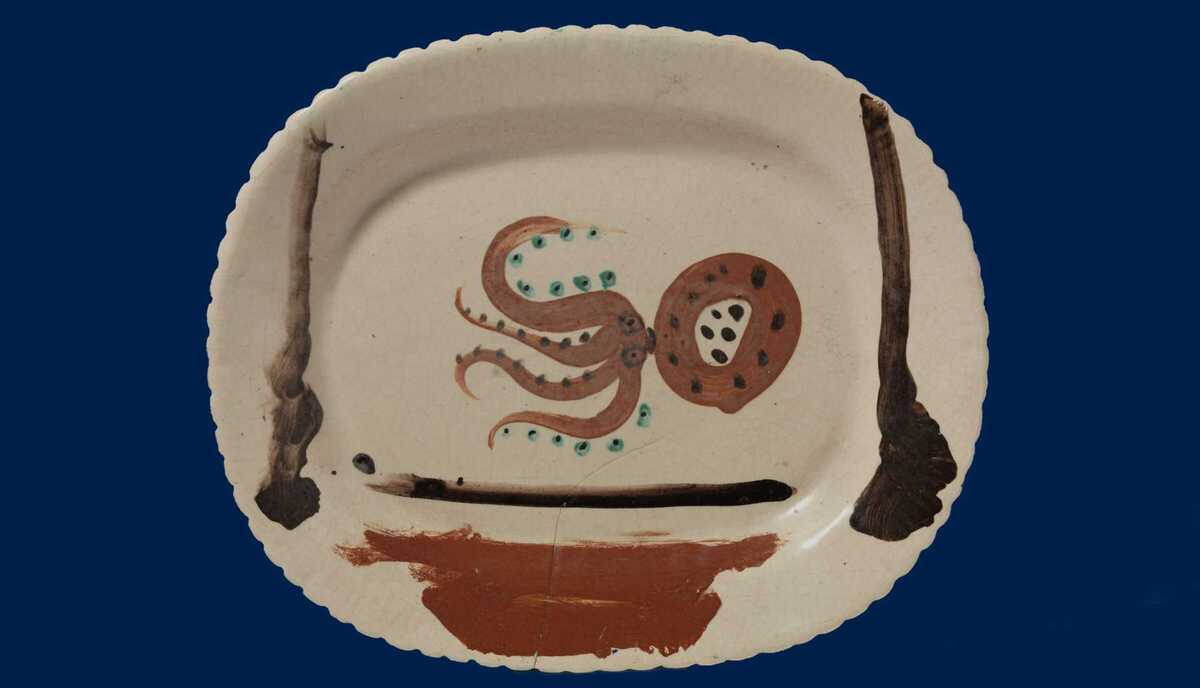
The exhibition Picasso Cyprus: Encounters with the Ceramics of the Mediterranean looks at Pablo Picasso through an unexpected island lens. Although he never visited Cyprus, the exhibition explores how ancient Cypriot art reached him through museums and publications, feeding his fascination with Mediterranean forms, symbols and handmade objects.
The show focuses especially on ceramics, bringing Picasso’s own pieces into the spotlight with Cypriot antiquities and works from collections across Europe. What this shows us is not a story of influence, but a richer encounter with hybrid creatures, expressive faces, animal forms, new shapes and the deep visual memory of the Mediterranean.
Highlights from the Museu Picasso collection include works such as Octopus, Ring of Dancers, Two Fish, Head of a Bull and Pipe-Player and Dancer. The exhibition is running until the end of September, so now’s your chance to catch it.
Dates: Nov 28 – Sep 28Price: €12Location: MACBA (El Raval)

MACBA’s exhibition Like a Dance of Starlings: MACBA Collection – Thirty Years and Infinite Ways of Being reflects on its 30-year journey through a metaphor of starling murmuration – a fluid, collective movement that mirrors how subjectivity and identity evolve.
Rather than offering a chronological retrospective, the show is organized around “connective nodes”: themes like hybrid identity, spiritual worlds, community and ritual. It highlights how identities are shaped not in isolation, but through social struggle, shared experiences and constant transformation.
The exhibition includes around 50 artists from the MACBA Collection – including Jean-Michel Basquiat, Àngels Ribé, Esther Ferrer and Claudia Andújar – plus newly acquired works. It also reaches beyond the museum: three works are displayed in schools via MACBA’s “Out of Storage” program. The celebration of MACBA’s thirtieth anniversary is an apt moment to take stock and look back over how the museum’s past has shaped its present, as well as a welcome opportunity to appreciate how it has evolved.
Dates: Jul 9 – May 23Price: €13.50Location: MACBA (El Raval)
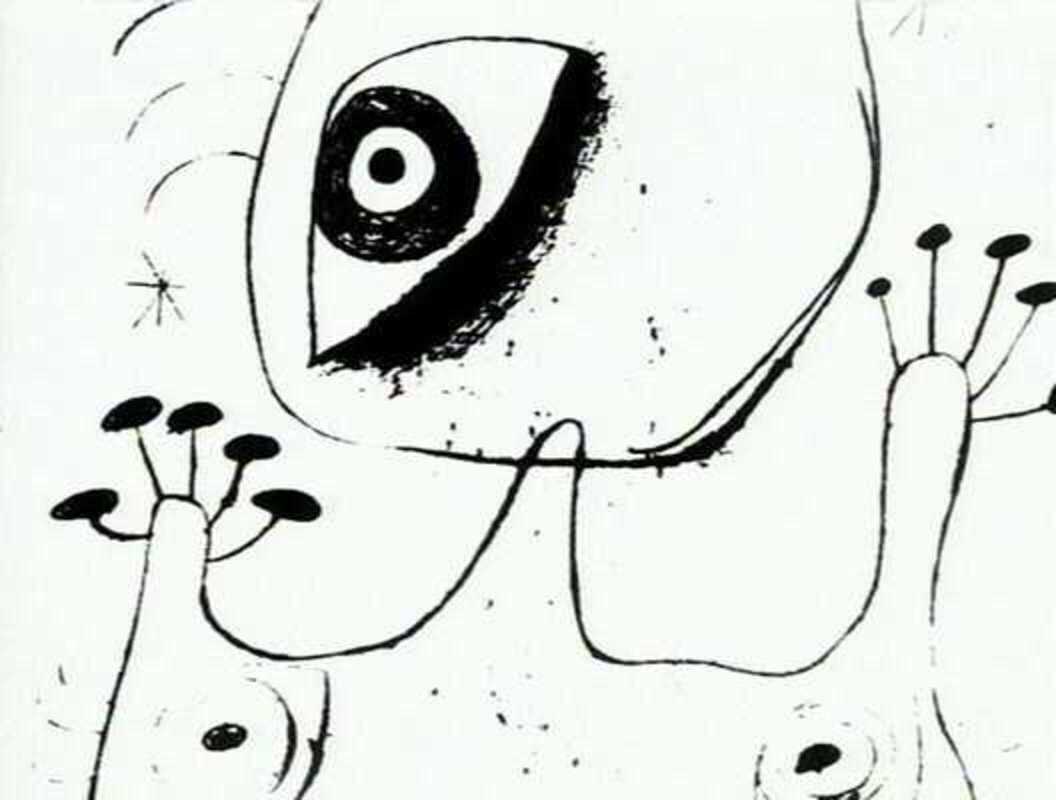
Pere Portabella has spent more than six decades treating cinema as an art form and an act of resistance. Beginning as a producer behind projects including Luis Buñuel’s Viridiana, he later developed his radical vision, shaped by censorship, secrecy and opposition to Franco’s dictatorship.
The Committed Gaze celebrates that trajectory through a program of screenings drawn from work made between the 1960s and 2020. Films such as Vampir-Cuadecuc, Umbracle and Informe general reject traditional forms of storytelling in favor of fragmented images, political tension and the thrill of being asked to look again. This program of screenings allows us to approach a body of work that understands cinema as a place where form itself is also a political position.
Part of a centenary tribute, this exhibition is ideal for anyone who likes their cinema stylish and intellectually rebellious.
Places
Our picks
Address: Plaça dels Àngels, 1 (El Raval)Hours: Today 11:00–19:30
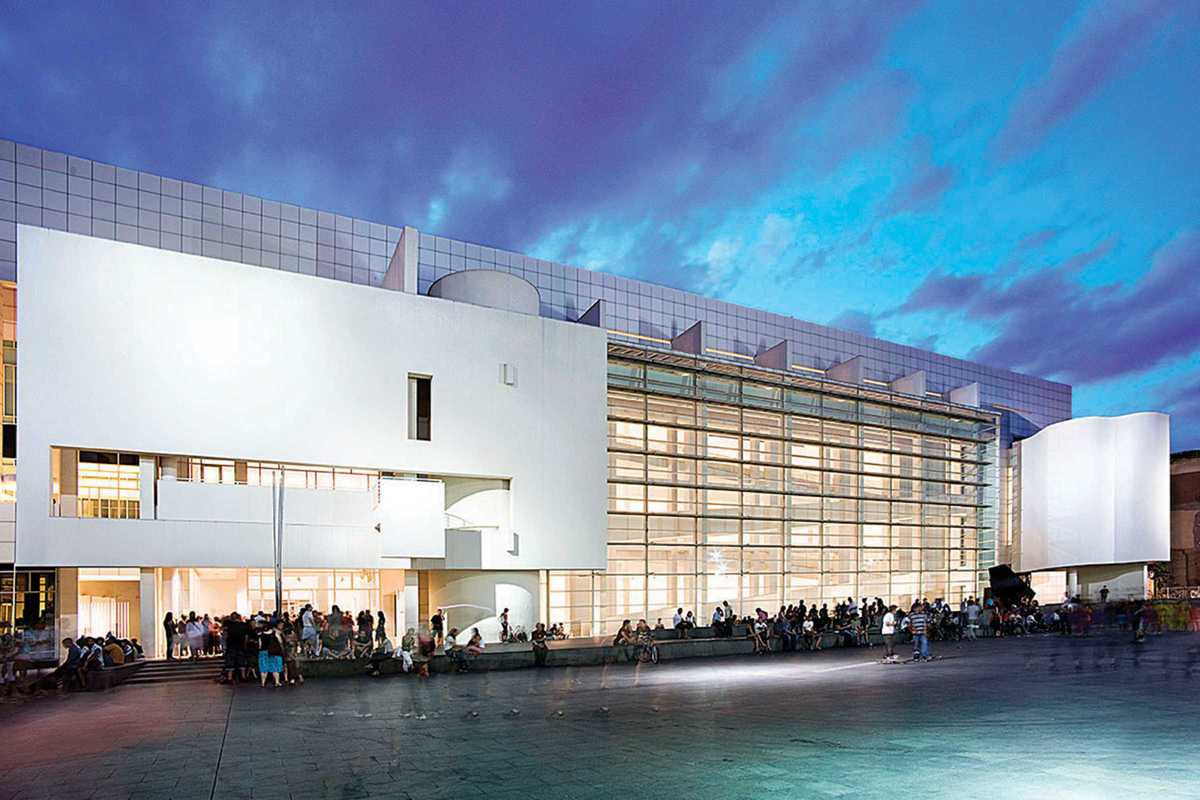
Surrounded by skaters and Keith Haring’s graffiti mural, MACBA has been Barcelona’s reference par excellence for contemporary art and culture since its opening in 1995. The collection consist of some 5,000 local and international artworks created from the ‘50s to present, including avant-garde pieces from the ‘60s and ‘70s, minimalist sculptures from the ‘80s as well as installations and media art.
The museum does not show a permanent exhibition but rather rotates its display through temporary exhibitions, providing a fresh look at its works depending on the context in which they are viewed. In addition to the main building, designed by American architect Richard Meier, the museum extends to the medieval Convent dels Àngels on the same square, which serves as an archival center and space for guest exhibitions.
MACBA also runs the non-profit Ràdio Web MACBA with exhibition commentary, sound art, experimental music, etc.
Address: C/ Mallorca, 401 (Eixample Dreta)Hours: Today 9:00–18:00
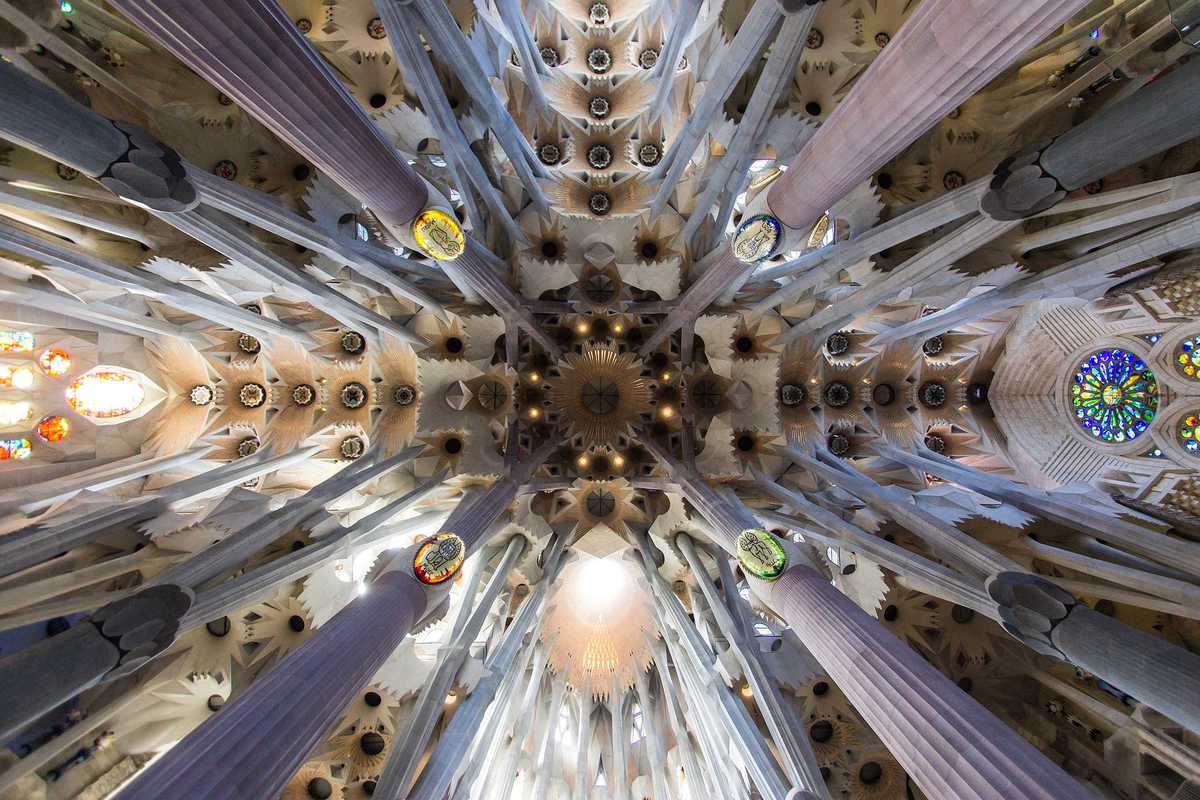
This is the tale of a blue-eyed man with a thousand-yard stare, who scuttled around Barcelona with a collection tin to complete a dream. A dream that, 130 years later, remains unfinished, but has evolved from a dingy plot of land in the Eixample to the monstrously kitsch house of worship that we now know as the Sagrada Família. And that blue-eyed man? Antoni Gaudí i Cornet: architect, eccentric and genius. A person that wealthy Catalans would cross the road to avoid.
Gaudí did not conceive the idea for the Sagrada Família, nor was he the first choice to work on it. The founder was, in fact, a bookseller by the name of Bocabella who, legend has it, dreamed of finding an architect with “piercing blue eyes” and then met 31-year old rising star Gaudí after the resignation of his first builder. It was an appointment that proved fortuitous, as Bocabella’s idea for a “Cathedral of the Poor” became Gaudí’s ultimate, living masterpiece – and which made both him and his work singularly iconic of the city.
Forty years of Gaudí’s life were devoted to working tirelessly on the Sagrada Família. He calculated how the journey of a leaf swirling to the ground could be converted into a 100-meter spiral staircase. And how to make the interior décor resemble a slanting, granite forest with sunset light filtering through its roof of stone leaves. He stuck gigantic, boiled sweets onto the interior pillars. His bell towers end in heaps of multicolored fruit. Dalí called it “bad taste” but loved it all the same.
The architects who have succeeded Gaudí have plenty of guidelines to go by, but critics find that the newest sections are cold, hard-edged and staid, whereas Gaudí’s approach breathes humanness and dare, faithful to the foaming, romping, spurting, dripping, drifting elements found in nature. Very little, if anything, was taboo for Gaudí. He is said to have made plaster casts of temporarily anesthetized chickens so as to recreate their likeness when later sculpted in stone. At points his designs push the envelope so far that it takes a while for any of them to make sense. The Nativity Facade, for example, is so bristling and intricate that any more than a couple of glances will provoke dizziness and turn weaker stomachs.
Such rampant creativity in a holy place could only exist in free-spirited Barcelona but still, it begs the question: how was someone allowed to do that in a Roman Catholic church? You can barely imagine the Pope consecrating the place in 2010 without smiling a little, in disbelief as much as awe, at what this extraordinary Catalan architect was capable of, and all in the name of God. For Gaudí was indeed a devout man who, according to biographer Gijs van Hensbergen, existed on an ascetic diet of lettuce leaves dipped in milk. When asked if it bothered him to not see the work completed in his lifetime, Gaudí simply replied, “My client” – referring to God – “is not in a hurry.”
So, still incomplete, still evolving, the Sagrada Família is the epitome of ephemera. One day it is like this, the next day, different. People around the world visit impressive churches all the time, but it is quite something to walk around this particular church and see the staff not changing the flowers but actually making enormous structural alterations – attaching fixtures, carving facades and unveiling entire statues to be enjoyed by the visitors of tomorrow. Religious feeling can be found somewhere amid the spectacle, but it is not the focus. People tend less to pray in the Sagrada Família than immerse themselves in a house of living art, where it feels as if just about anything could happen.
Today, for example, I am sitting inside the basilica on what must be the coldest morning of the year, with barely a tourist in sight. Even so, the sounds of hammers, cameras and workers wheeling large objects on trolleys gives the impression of a buzzing movie set. A gaggle of Cistercian monks pass by. I stop one of them and ask why he has chosen this particular day to visit. “Our order has donated money for one part of the basilica’s construction. Today’s the inauguration,” he explains.
You would be mistaken for thinking that such an epic church would have an official source of funding, but no. The Sagrada Família is the ultimate startup, based entirely on donations. If the money runs out, building stops, and everyone loses their job. Curiously, the majority of donations come, according to art historian Robert Hughes, from the Japanese. He thoughtfully notes that “the Sagrada Família is the first Catholic temple whose bacon was ever saved by Shinto tourism.”
Back inside the main area of worship, another eccentric design comes in the form of a crucified Jesus suspended from a large beach umbrella decorated with glass grapes and white fairy lights. While almost too ironic, there is still something sincere about this Christ, dead and at peace among references to sun, booze and fun. The aesthetic at work here is none too dissimilar to Baz Luhrmann’s remake of Romeo and Juliet in which the simple, beautiful lovers oscillate innocently around each other while surrounded by loud-mouthed, parasitical urbanites. In both cases, something noble and age-old is alive in the tackiness of a modern setting.
Maybe there is not much dignity in the world we live in today, but it is what we have, and to avoid it is quite simply to lie. Gaudí embraced it, as much as he embraced religion, and tried to pack in as much as he could of both into 170 vertical meters of granite. The edifice as a whole resembles an erupting, mutating skin complaint on the face of Barcelona. But in spite of its flagrant ugliness, the Church of the Holy Family is utterly breathtaking and unforgettable.
More museums
Address: c/ Montcada 25 (El Born)Hours: Today 10:00–20:00
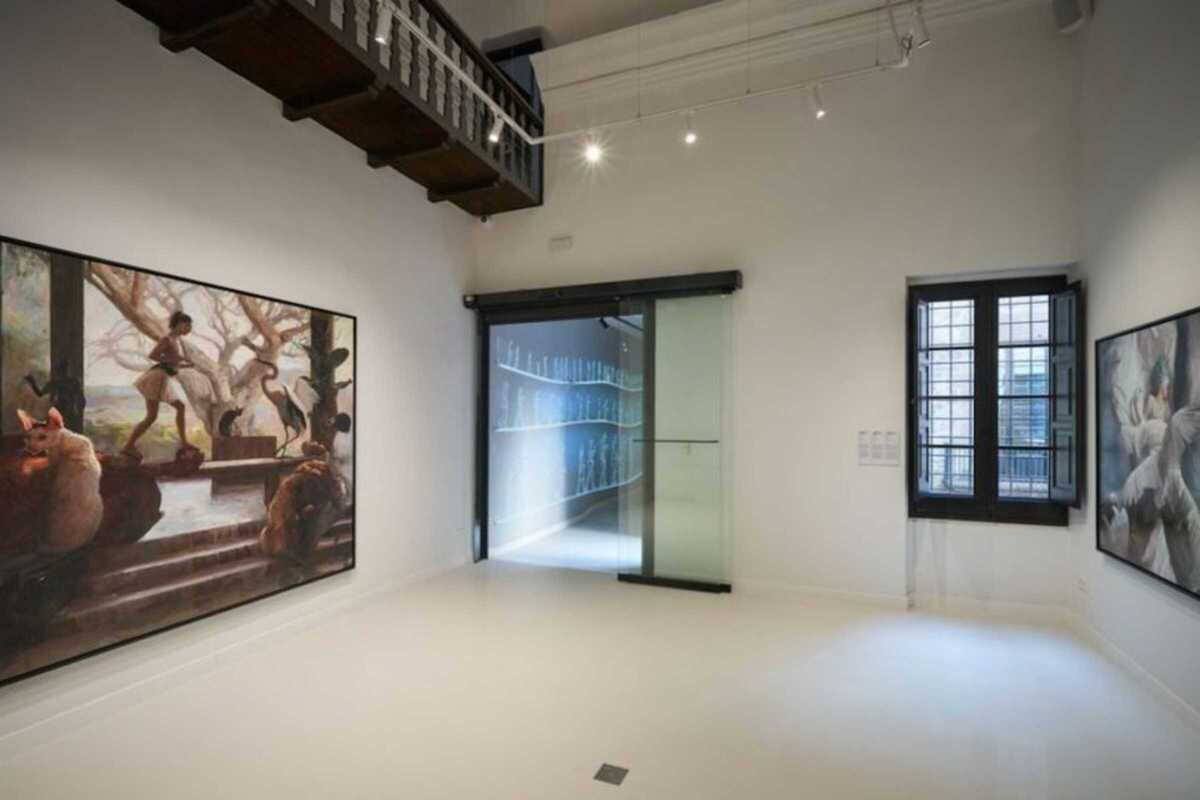
An abbreviation for Modern & Contemorary Museum, Moco is probably the newest art museum in Barcelona, opened on October, 2021 as a twin brother of the same concept museum in Amsterdam and born as a private initiative of the art patrons Lionel & Kim Logchies. Located in the heart of the hip Borne neighborhood, just next to the Picasso and MEAM museums, it is hosted by the aristocratic Cervelló palace, also known as Casa dels Giudice as it was the residence of the Giudice, an important lineage of Genoese merchants.
The museum showcases a wide variety of collections of modern and contemporary art and pieces of modern street art in various exhibitions. Among the featured artists are Salvador Dalí, Andy Warhal, David LaChapelle, Hayden Kays, Harland Miller, and Takashi Murakami while several halls are dedicated exclusively to Banksy, the elusive street performer whose real name and personality remain anonymous.
However, perhaps the most impressive segment of the space is the rooms with the large-scale paintings by the young and very productive Chilean artist Guillermo Lorca. Obviously positioned in the hyperrealistic aesthetics but also loaded with surreal narratives and dreamlike sequences, they are both monstrous and divine, while actually being inspired by French artist Gustave Doré, famous for his profoundly detailed and imaginative illustrations.
Address: Baixada del Monestir, 9 (Sarrià – Sant Gervasi)Hours: Today 10:00–21:00
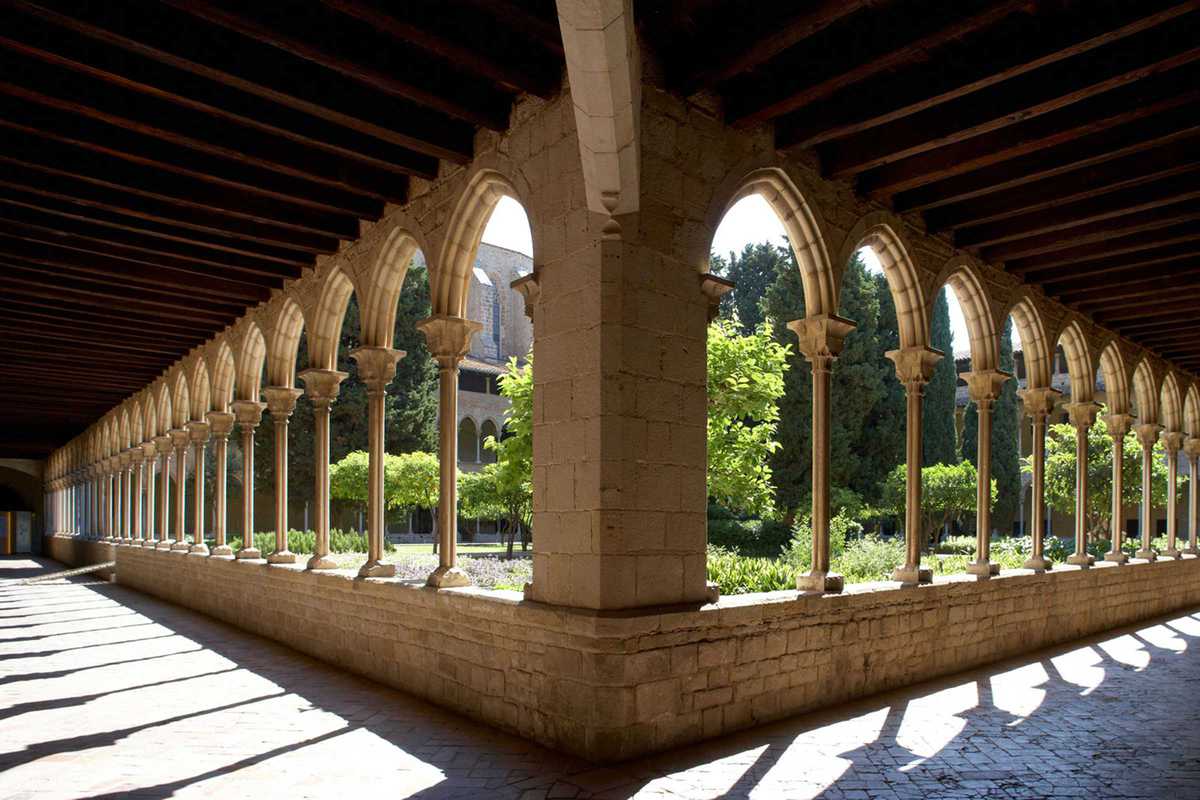
The Reial Monestir de Santa Maria de Pedralbes, the Monastery of Pedralbes, is one of the most important historical buildings in Barcelona. It was founded in 1327 by Queen Elisenda de Montcada with her spouse James II for the Poor Clare, nuns of the Franciscan Order who resided there until 1983.
The white-stoned monastery is a masterful achievement of Catalan Gothic architecture. The cloister is three levels high and is one of the largest Gothic cloisters in the world. Gain insight into the daily life of the Clarissa nuns by touring their basic day cells. There they retreated and enjoyed the calming view of the cloistered courtyard of palm and orange trees.
Visit for free on Tuesdays and Fridays during the “magic hour,” that span of time before sunset when the light is perfect for taking photographs. Enjoy the peacefulness and solemnity as you visit the medieval gateways, refectory, abbey and chapterhouse – all bathed in the golden warmth of the magic hour.
Address: C/ Carolines, 20–26 (Gràcia)Hours: Today 9:00–20:00
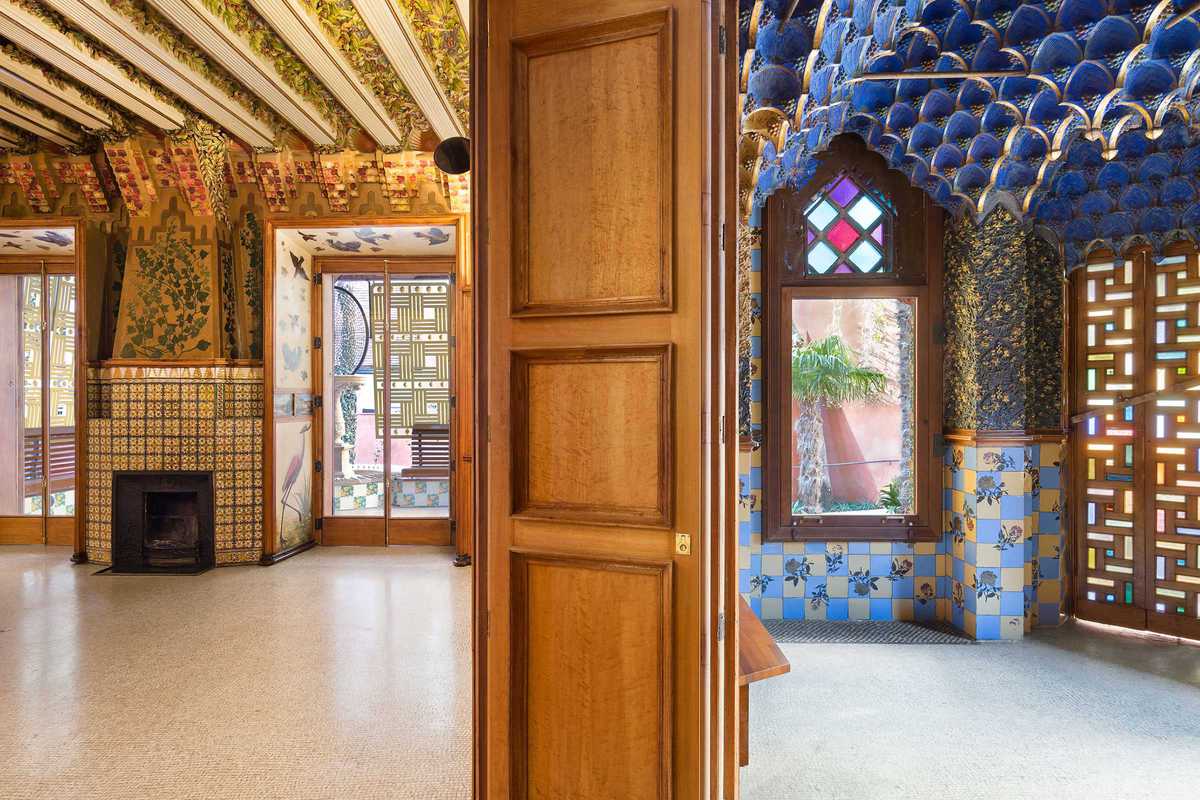
Gaudí’s first Modernist jewel in Barcelona, completed in 1883, is among the pioneer buildings in Europe’s Art Nouveau. Together with the flamboyant villa El Capricho in Cantabria, the house reflects Gaudí’s Orientalist period, which was inspired by Islamic–Hispanic art styles such as mudéjar and nazarí.
Comissioned by stockbroker Manuel Vicens i Montaner, Casa Vicens was built as a summer garden home in the former village of Gràcia and expanded in 1925 by Joan Baptista Serra de Martínez. Generously open with thoughtfully designed windows and balconies, Casa Vincens’ interior resembles a garden itself, with numerous floral motifs on the walls, floors and ceilings – while the scarcity of furniture doubles the joys of contemplation.
The accessible rooftop with green and white ceramic tile provides a view to the surrounding neighborhood life, while the second floor has been converted into a thematic exhibition hall.
Address: Parc de Montjuïc (Poble-sec & Montjuïc)Hours: Today 10:00–20:00
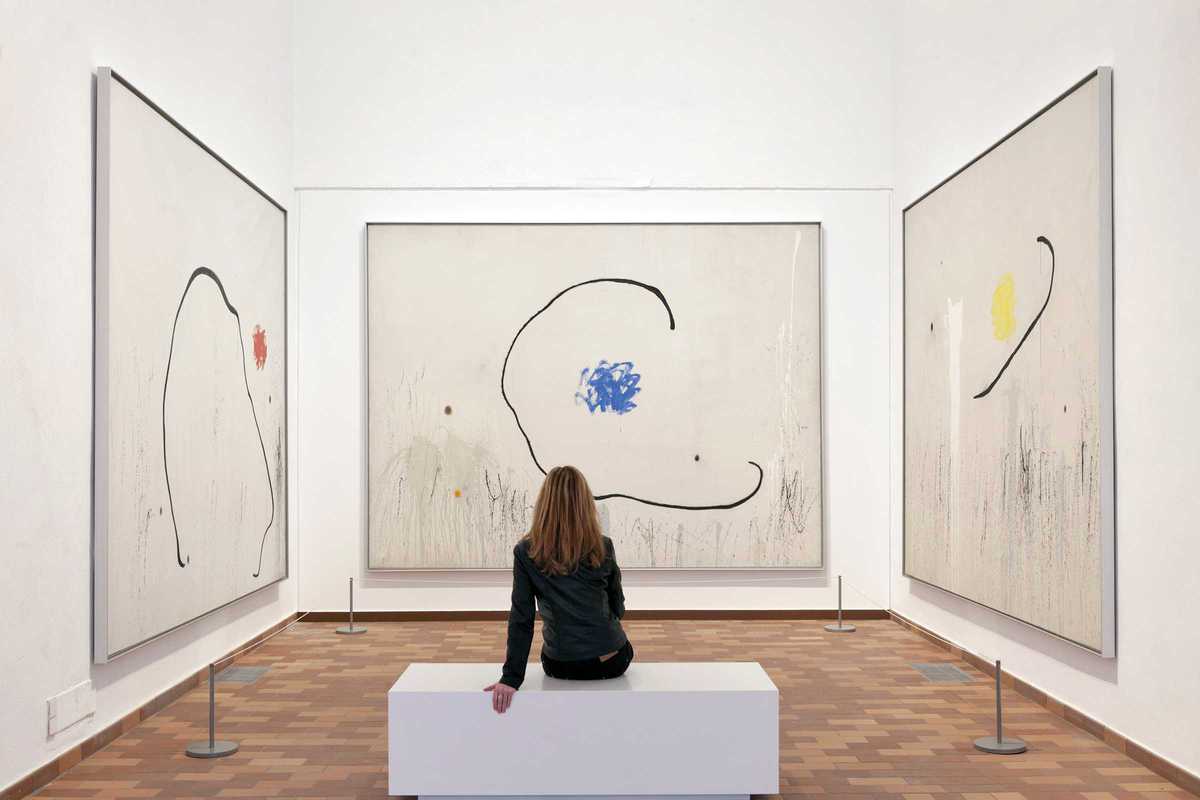
One of the most influential Spanish artists of the 20th century, Joan Miró’s Surrealism is a “sandbox for the subconscious mind.” This sandbox found a home in Fundació Joan Miró.
The space opened in Montjuïc in 1975 in an avant-garde building designed by celebrated architect Josep Lluís Sert, a friend to the artist. Today, the foundation holds over 14,000 items, including 400 sculptures and paintings, many donated by the artist himself. The eight sections of the museum portray Miró’s artistic evolution, with significant political works like May 1968, inspired by French protests against capitalism, or Catalan Peasant in Moonlight, depicting a cultural figure who frequents Miró’s body of work.
Navigate through Miró’s exploration of mediums, from painting to sculpture to tapestry and ceramics, and you’ll also get a taste of 20th century and contemporary artists, both in the permanent collection and temporary exhibitions: Duchamp, Calder, Ernst and many more.
Address: C/ Barra de Ferro, 5 (El Born)Hours: Today 11:00–20:00
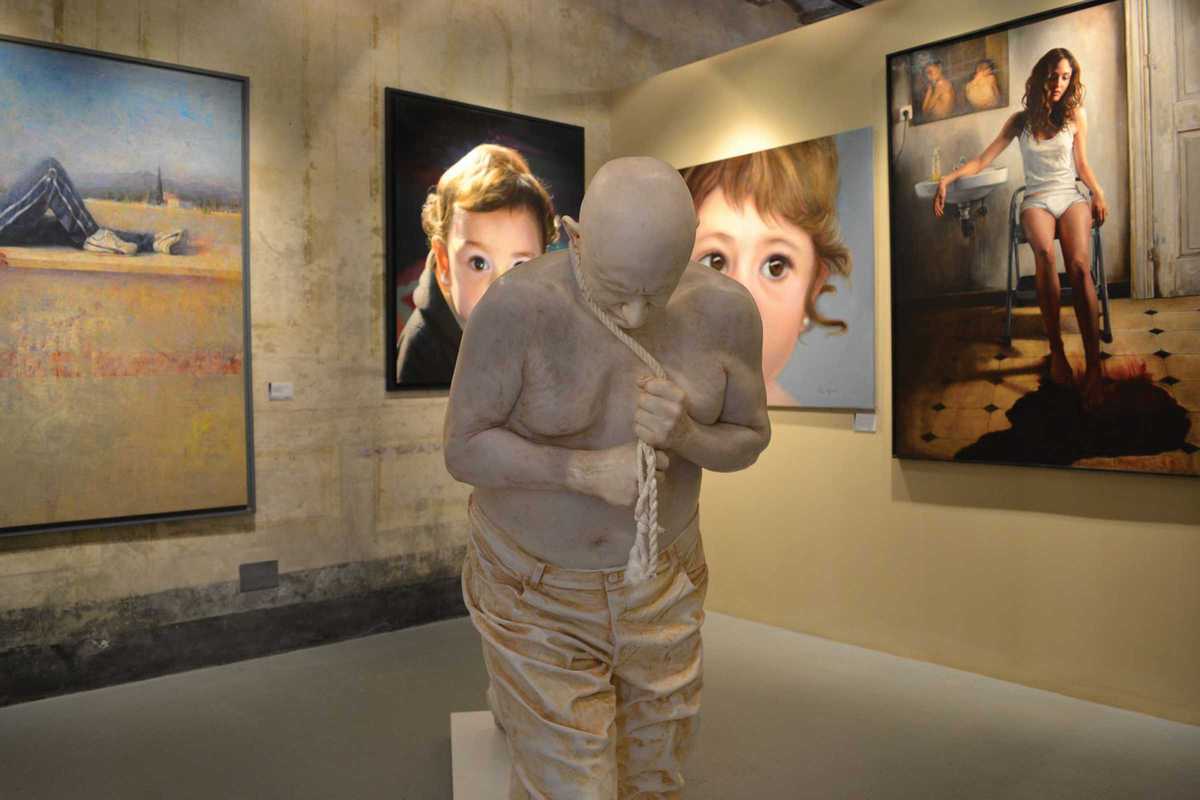
Housed in a spectacular palace rebuilt in the late 18th century by wealthy textile merchant Francesc de Gomis, the Museu Europeu d’Art Modern offers a surprising combination of rich architectural heritage and contemporary artistic vision.
The museum showcases contemporary art from its human side, displaying new ideas through classic forms. Here you won’t find odd art installations with obscure meanings but rather figurative art such as paintings and sculptures, yet created by contemporary artists. In addition to the 21st century figurative art collection featuring 300 artists from five continents, the museum holds a valuable collection of 20th century sculpture.
While the temporary exhibitions catch up with the best in figurative genres worldwide, the diverse events agenda, including classical concerts, performances and painting workshops, turns MEAM into an elegant hideaway for fine art amidst the noisiest of Barcelona districts.
Address: C/ Isaac Newton, 26 (Sarrià – Sant Gervasi)Hours: Today 10:00–20:00
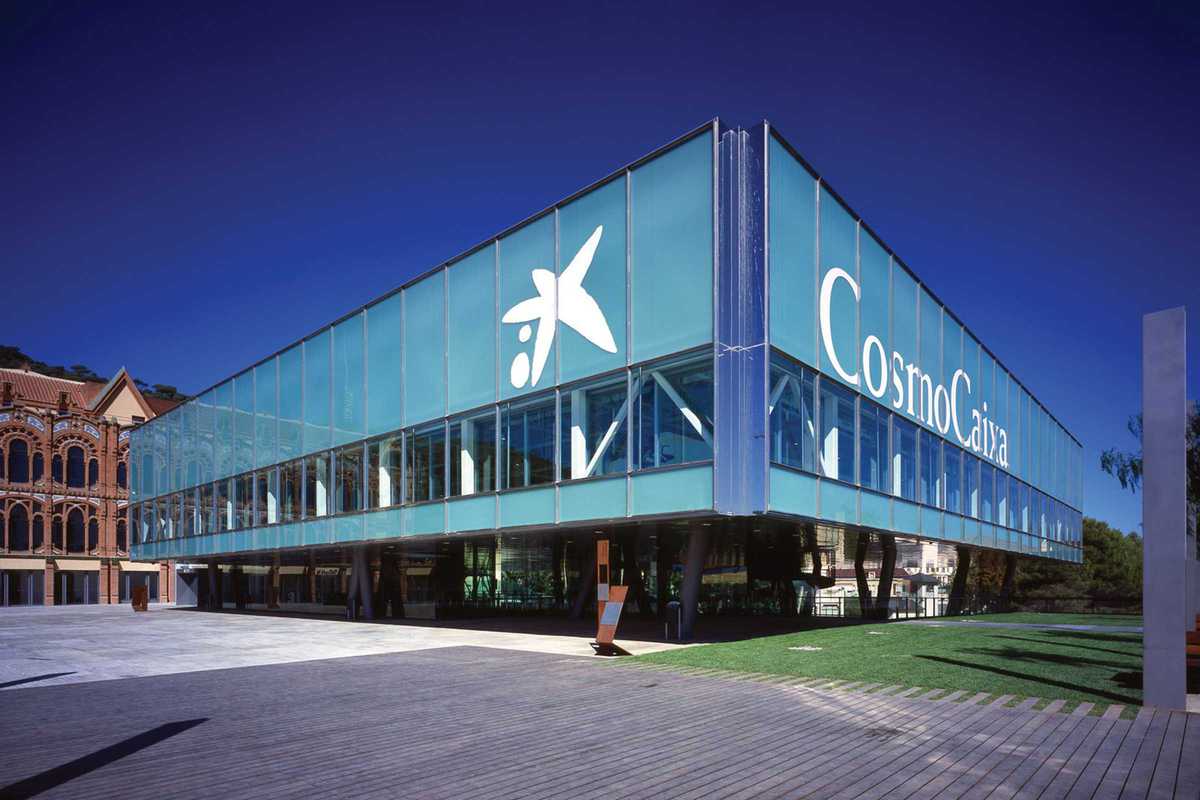
As you descend 30 meters down a walkway, circling an Amazonian tree and following time back through millennia, you enter CosmoCaixa, a world that fascinates adults and children alike.
Visitors can discover the history of matter and the wonders of science in the Hall of Matter and interactive Science Square; gain insight into geology at the Geological Wall; learn more about the planets, atmosphere and meteorology in the 3D Planetarium & Meteorological station; or better understand the habitats of species from around the world in Touch Touch. There are also additional hands-on exhibitions for younger children.
Along with temporary exhibitions that have covered topics as varied as Illusionism and Science, Talking Brains or Two Ways of Looking at Antarctica, there’s the highlight of CosmoCaixa: the Flooded Forest, a reproduction of an Amazon basin complete with enormous arapaima fish, alligators and a capybara, the world’s largest rodent.
Address: Av. Francesc Ferrer i Guàrdia, 6-8 (Poble-sec & Montjuïc)Hours: Today 10:00–20:00
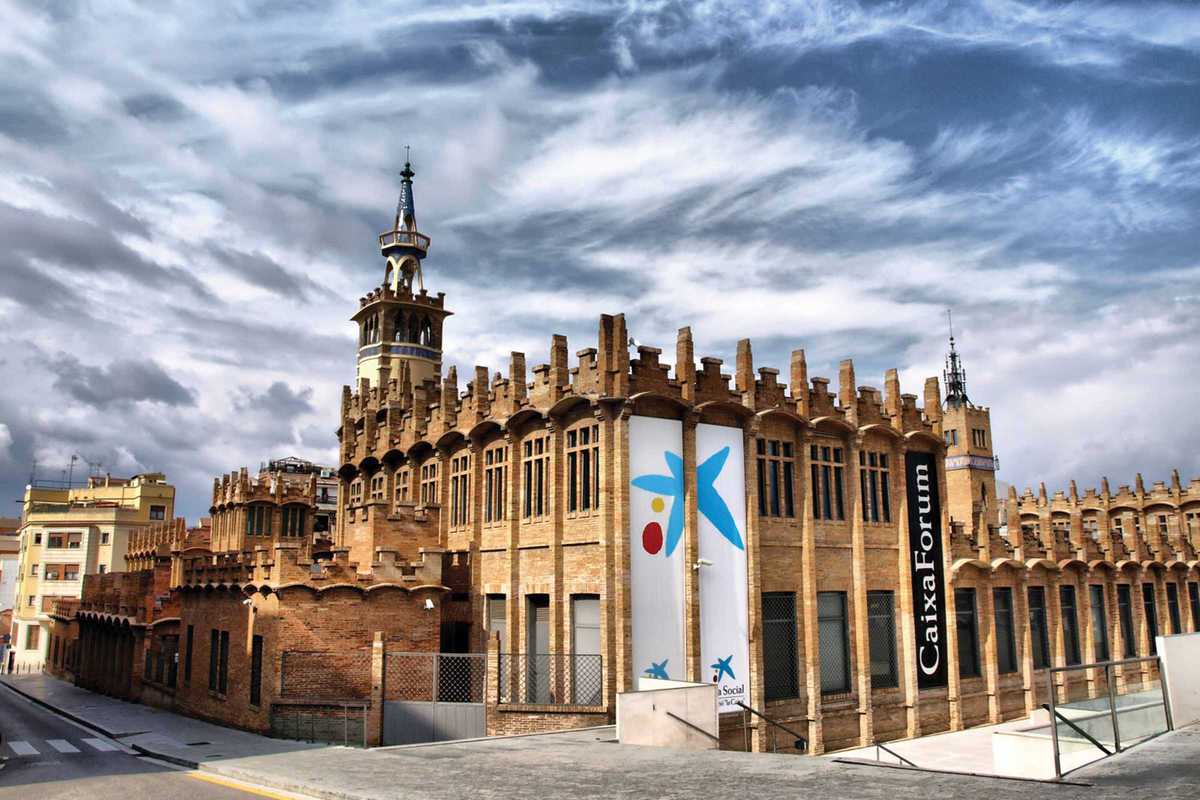
CaixaForum isn’t a straightforward place to explain. Is it a museum, a gallery or an event space? The answer is all three, and much more besides.
Housed in a former textile factory designed by Modernist architect Josep Puig i Cadafalch, the building alone is worth a visit and has been sensitively updated without losing any of its original charm. The accessible rooftop is a great spot to view the nearby MNAC museum and Montjuïc, as well as to appreciate the building’s unique layout. Owned by the non-profit La Caixa Foundation that controls CaixaBank, the center hosts exhibitions of ancient, modern and contemporary art, films, concerts, talks, literary events, and educational programs.
With access to the bank’s huge art collection, more than 100 previous exhibitions have shown everything from art by Dalí to animation by Pixar. Live music is a highlight of the programing, showcasing up-and-coming electronic artists at their DNIT events.
Address: Palau Nacional, Parc de Montjuïc (Poble-sec & Montjuïc)Hours: Today 10:00–20:00
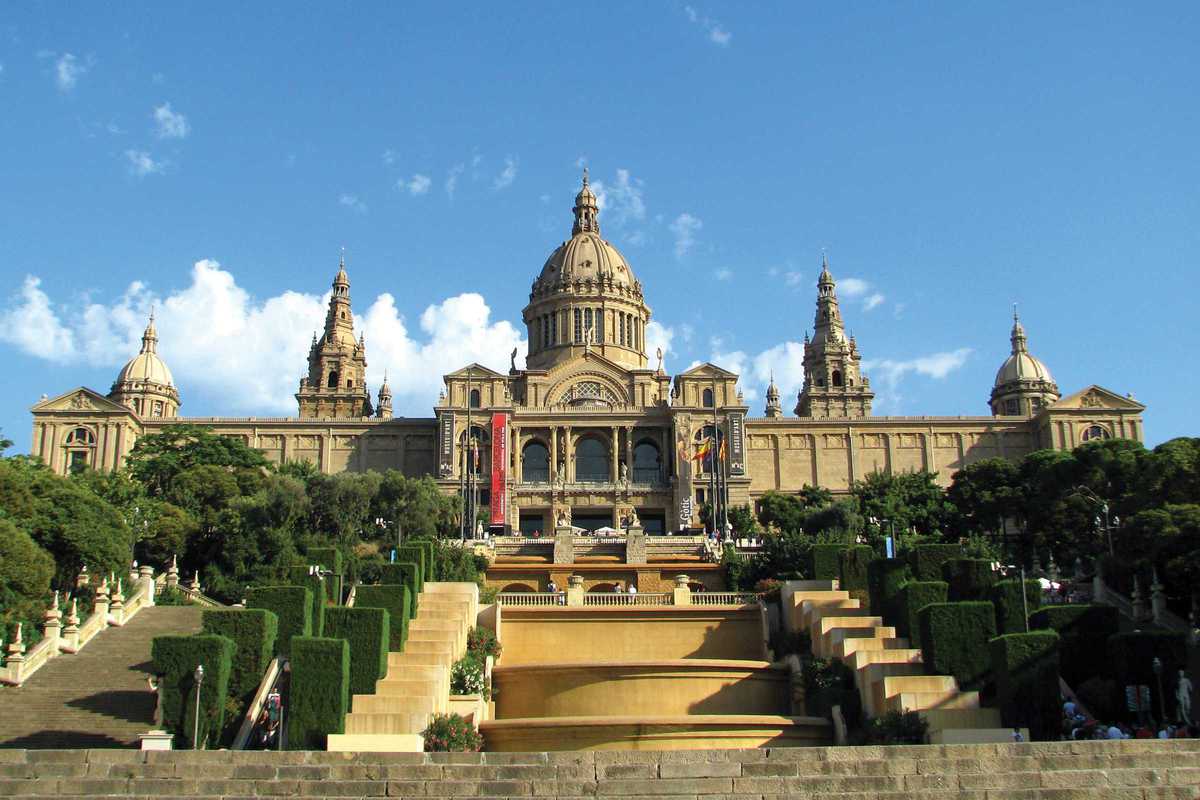
MNAC is the ultimate place to admire, contemplate and learn about classical and modern Catalan art, from Roman times up to the 20th century. Plenty of international masterpieces are on display, too, but what makes MNAC unique is its Romanesque mural painting collection – predominantly from the region and considered the best in the world – as well as cheerful works by the most representative Catalan Modernists, such as Gaudí, Ramon Casas and Santiago Rusiñol.
Apart from the Gothic, Renaissance and Baroque sections, also on display is an Italian collection owned by the Thyssen-Bornemisza Museum in Madrid, while temporary exhibitions draw attention to lesser-known artists and often bring fascinating discoveries to stage. Housed in the Palau Nacional in Montjuïc, built for the 1929 Barcelona International Exposition, MNAC’s roof is also open for visits, providing breathtaking, 360-degree views of the city.
Address: Av. Diagonal, 420 (Eixample Dreta)Hours: Today 10:00–19:00
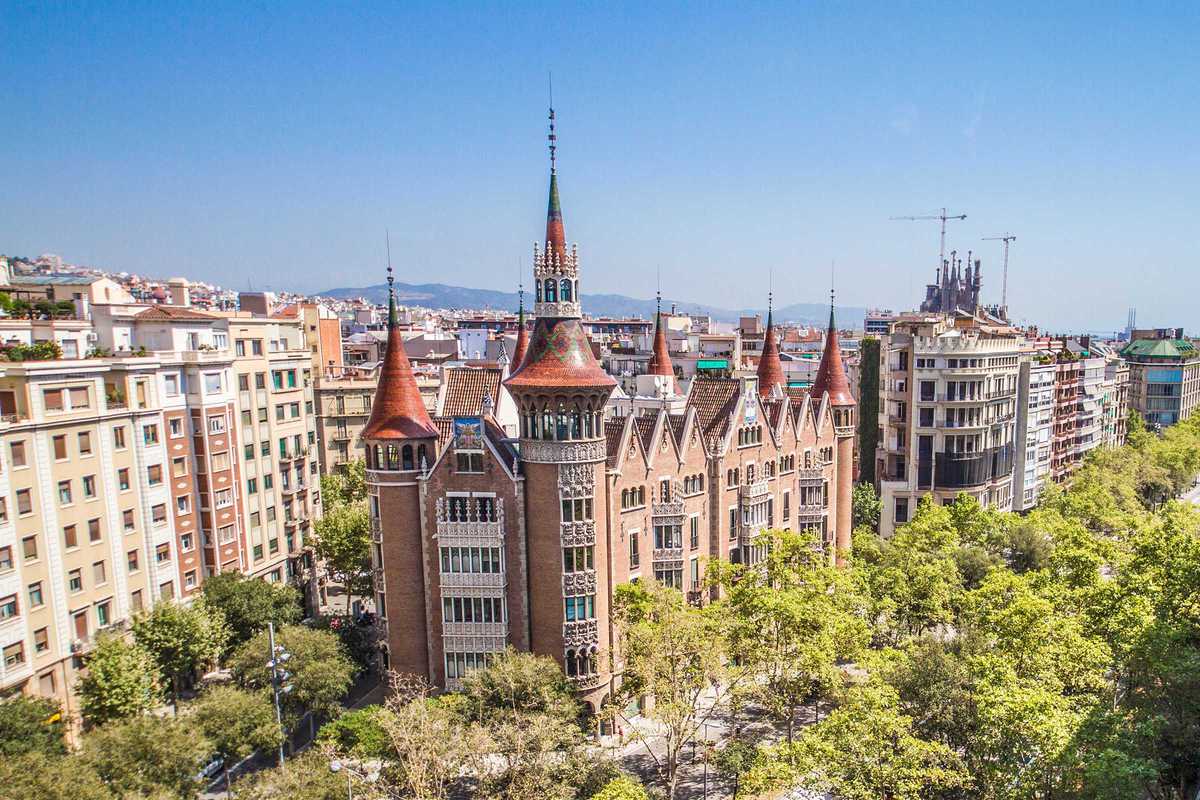
In 1905, Bartomeu Terradas, a textile entrepreneur, former soccer player and president of FC Barcelona, asked architect Josep Puig i Cadafalch to design a house for his three unmarried sisters, Àngela, Josefa and Rosa. Puig i Cadafalch based his three-in-one concept for Casa Terradas on medieval castles in Bavaria.
The result was an impressive Modernist building with three entrances and six pointed towers crowned by conical spikes, giving the building its nickname: Casa de les Punxes (“House of Spikes”). Over a century later, in 2016 this emblematic building opens its doors to the public for the first time. On the first floor you’ll learn about the legend of Sant Jordi – symbolized throughout the house – in an interactive experience after which you’ll take the elevator to the spectacular rooftop where you can enter each tower and discover more about the building, its architect and owners.
Address: C/ Provença, 261–265 (Eixample Dreta)Hours: Today 21:00–23:00
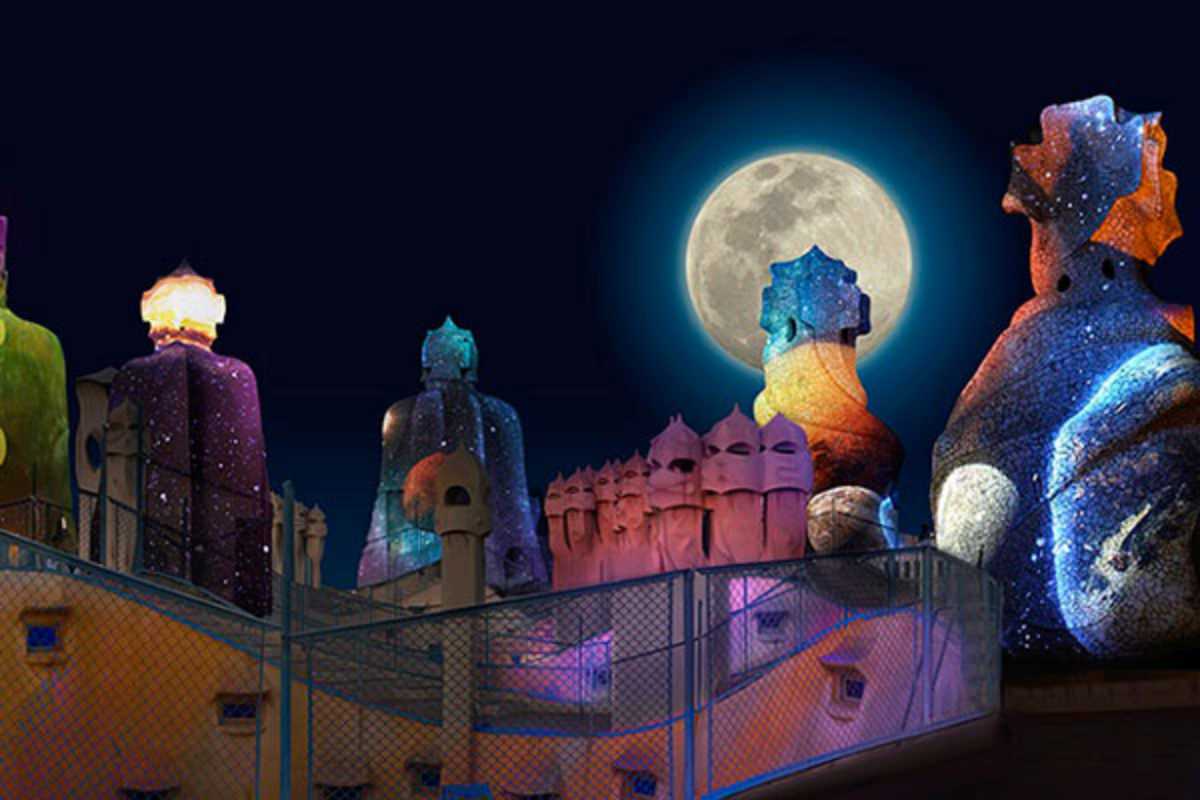
With the summer heat, you’re better off visiting Casa Milà, popularly known as La Pedrera, at night. Available every evening, tours immerse visitors in a unique audiovisual experience, with projections throughout the building and a video mapping with music on the building’s iconic rooftop terrace.
The sensory journey includes a visit to the permanent exhibition, featuring an architectural model of the building, and finishes with a glass of cava. Choose to start with a rooftop jazz concert on Fridays and Saturdays, or combine with dinner any evening at El Café de la Pedrera.
Declared a World Heritage Site by UNESCO, the residential building (still partially inhabited) is one of Gaudí’s most emblematic achievements. Gaudí himself, if alive today, would surely appreciate the use of mapping technology to enhance his nature-inspired forms and pay homage to divine creation.
(Tours available in English, Spanish and Catalan.)
Address: C/ Montcada, 12 (El Born)Hours: Today 10:00–19:00
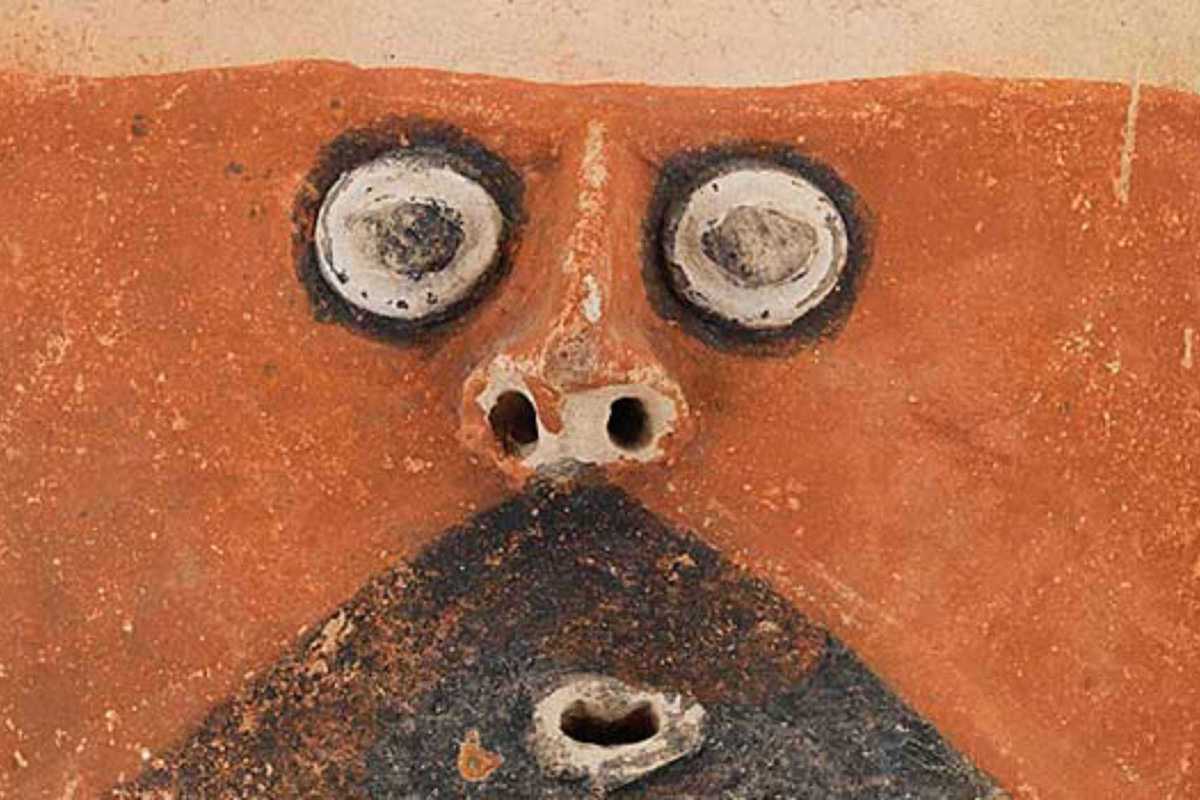
What is an eyema bieri? What do these African figures guard? What is an Ifugao bulul? What do these Philippine divinities represent? What is the difference between a Tibetan Buddha and a Buddha from Thailand, Burma or Afghanistan?
Such themes plus a whole world of fascination comprise the Museu de Cultures del Món (Museum of World Cultures). Located just across the Museu Picasso, the cultural center houses thirty thousand works from Africa, Asia, America and Oceana derived from the city’s Museu Etnològic and Folch Foundation.
Based out of the unified Casa Nadal and Casa Marqués de Llió, the rich collection of figures, garments and relics presents the diversity and art of non-Western cultures. Visit on a Saturday for a guided tour of museum highlights or on the last Sunday each month for an in-depth visit to one cultural region.
(Free the first Sunday of the month and every Sunday after 3pm.)
Address: C/ Arístides Maillol, 12Hours: Today 9:30–19:00
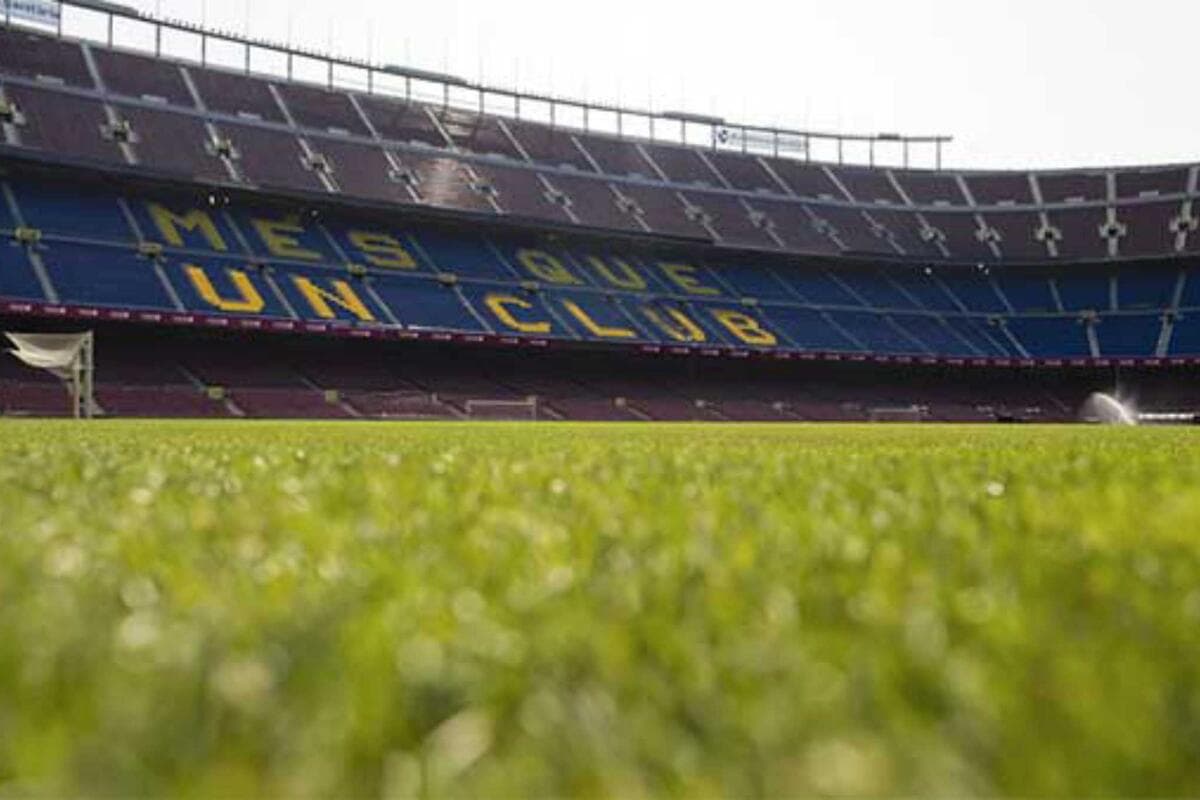
Barça came home in November 2025, after two seasons of exile up the hill at Montjuïc, and moved back into a stadium that isn’t finished. Around 62,000 seats are in use at Spotify Camp Nou while the third tier and the roof go up; once the cranes leave, sometime around 2027, capacity should pass 100,000 and make it the largest football ground in Europe.
The museum – trading these days as the Barça Immersive Tour – has decamped to the club’s ice rink beside the stadium while the work continues, with the entrance between the Barça Café and the club store. Inside is the full sweep of the club since 1899: the trophies, the shirts, the era-by-era retelling, ending in a 500-square-meter projection room, the largest in any European sports museum. A million visitors a year pass through, and the whole collection moves into the stadium proper once there’s a finished stadium to receive it.
Tickets start from €28 for the museum, an audio guide and the construction viewpoint – a platform over the building site, and the best reason to come right now. Watching a 100,000-seat bowl take shape is something the finished version won’t offer. From there you can add a penalty round against a robot goalkeeper, a VR tour of the club’s universe or a guided climb into the stands for the panoramic view. Stepping onto the grass itself is reserved for the match-day tour, offered only when there’s a game.
Culers (the Barça faithful) will make the pilgrimage regardless. For everyone else, the building site is the draw – go before they finish it.
Address: Passeig de Gràcia, 39 (Eixample Dreta)Hours: Today 10:30–20:00
I woke, and the perfume he wore was still in the air, but he was gone. There is a world beyond the streets. The warmth on Gòtic stones. Burnt toast on rain. Piss-strewn walls. Scents cut through the thin light of Barcelona, and they make other places come galloping back over the mountains of memory.
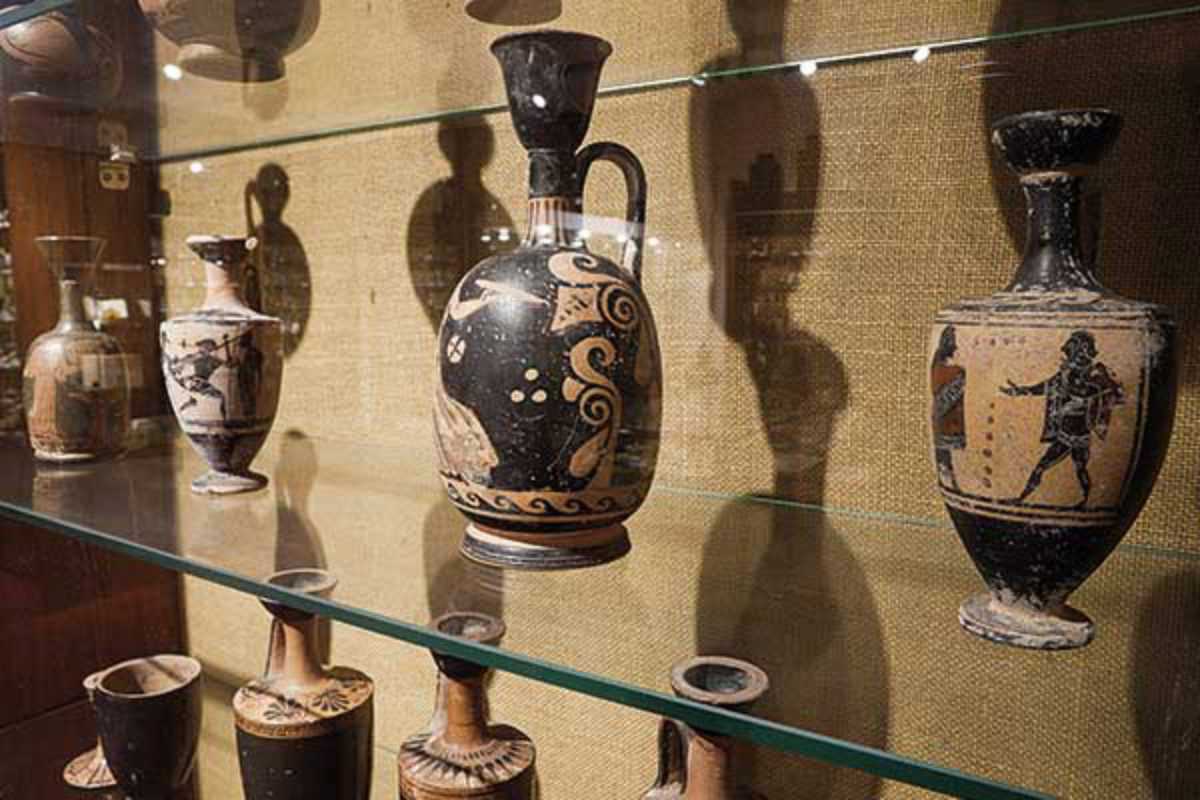
The city has a hidden treasure: a Perfume Museum, more treasure chest than museum, hidden in a back room of Perfumerías Regia. A store assistant flips the light on. A red carpet appears and outstretched upon it rows of shabby cabinets containing thousands of perfume bottles. Each has been carefully gleaned from auctions and private collections by founder Ramon Planas leading up to the Museum’s opening in 1961. When the rain falls and the streets fail, it is nice to take shelter in the midst of a different kind of history.
The Perfume Museum’s gaggle of glass introduces a journey beginning in Gilgamesh’s Mesopotamia where perfume was used by man to talk to gods, a practice that endured in Ancient Egypt, the most perfumed of all old civilizations. In the remaining cabinets, vessels of scent are showcased from the Greeks, the Romans, the Arabs all the way to contemporary Parisian perfumers. An arc of elegant bell jars offers a chance to become acquainted with the high society perfumes as far back as the 19th century.
There is an aside about Socrates, notorious perfume-hater that he was. Patience in the ramshackle Museum will pay off: a flacon belonging to Marie Antoinette lingers amidst a group of unremarkable sister-vessels; a bottle sculptured in the shape of a sun reveals the hand of none other than Dalí. A place that had at first seemed so plain harbors a great many gifts.
If you’ve tried several perfumes, you know things can go wrong. A first spritz can throw out a surplus of alcohol; a promising bouquet can evaporate from the skin in minutes. And the banality of most perfumes condemns them to being a mere shield against unpleasant odors. And yet, there will be the rare scent, encountered by chance, that succeeds in exciting the imagination and teasing the senses, hinting at something new and interesting every time it is applied. Those are the greats.
Such is the view of Tania Sanchez, author of Perfumes: The Guide who notes that “one can certainly admire a perfume without loving it. Love, of course, is personal, but best when deserved.”
Address: C/ Ample, 35 (Barri Gòtic)Hours: Today 11:00–19:00
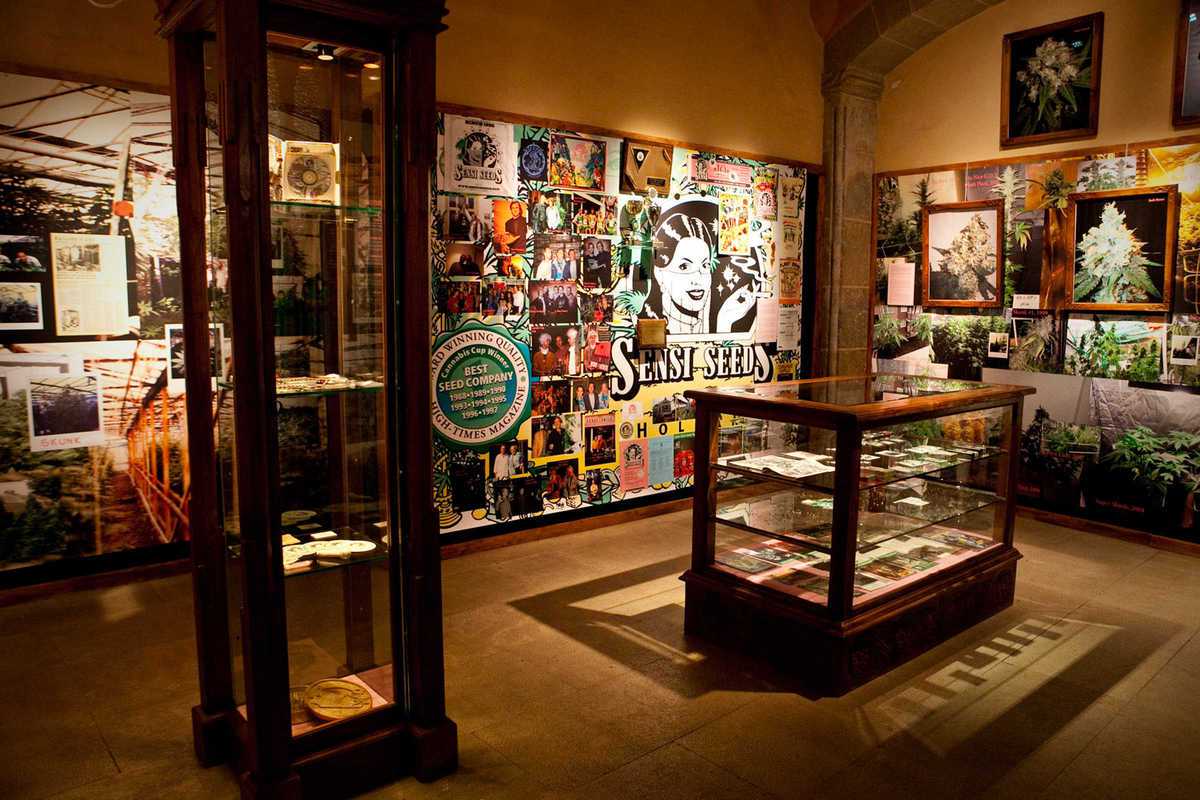
No, this is not just about getting high. The Hash Marihuana Cáñamo & Hemp Museum, presents the wonderful world of cannabis at its best. Set in the stunning, renovated 15th century Palau Mornau on Carrer Ample, the museum (sister to Amsterdam’s the Hash Marihuana & Hemp Museum) is a trip through the past, present and future of this magical plant and the founder Ben Dronkers’ personal cannabis culture treasures.
It combines the history, science, industry, art and culture of cannabis and there is something here for everyone. Everything from the stained glass windows to the grand entrance stairwell to the display cases themselves have been touched by magnificent detail and done with such elegance that it is worth a visit to just see them. As I made my way up to the exhibit rooms I became aware of how perfect this venue is to serve as Barcelona’s cannabis temple.
Art lovers can dive into the 17th century paintings or the psychedelic and political posters on display depending on their fancy. Scientists can explore the medicine room that holds one of the world’s largest collections of medicinal cannabis bottles, some still filled and dating back to the 19th century. Engineers can awe over the products developed and produced by Hempflax, Dronkers’ carbon-neutral company that has clients such as BMW and Jaguar. Car door panels, clothing, shoes, oils, animal bedding and paper are just some of the products on display. Each room transcends a different characteristic of or context for the cannabis plant. I revisited each one at least twice.
I still daydream about endless strolls through the Palau with the smell of good weed entering in from the balconies. So make it a plan on a sunny afternoon to visit the Hemp Museum. The streams of sunlight are particularly beautiful around 1pm and it is a perfect before-the-beach stop.