By Michael Mueller · Checked November 2026
The old dancehall interior combined with its world-class programming earns Sala Apolo a place among our favorite nightclubs in Barcelona. Nearby in Poble Sec, a much smaller venue Laut featuring electronic bookings by the Lapsus team is also among our faves. Over in Poblenou, Barcelona institution Razzmatazz delivers you five rooms on one club entry, with a varied music selection by night.
Barcelona’s dance floors fill up late – before 1am, you’ll feel rather lonely. So plan for dinner around 10pm, drinks afterward until 2am or 3am, then dancing till dawn.
Miniguide has covered Barcelona since 2003 – sixteen years in print, digital since 2020. We write from first-hand knowledge: our own legwork, not aggregated reviews.
Places
Our picks
Address: C/ Nou de la Rambla, 113 (Poble-sec & Montjuïc)Hours: Closed today
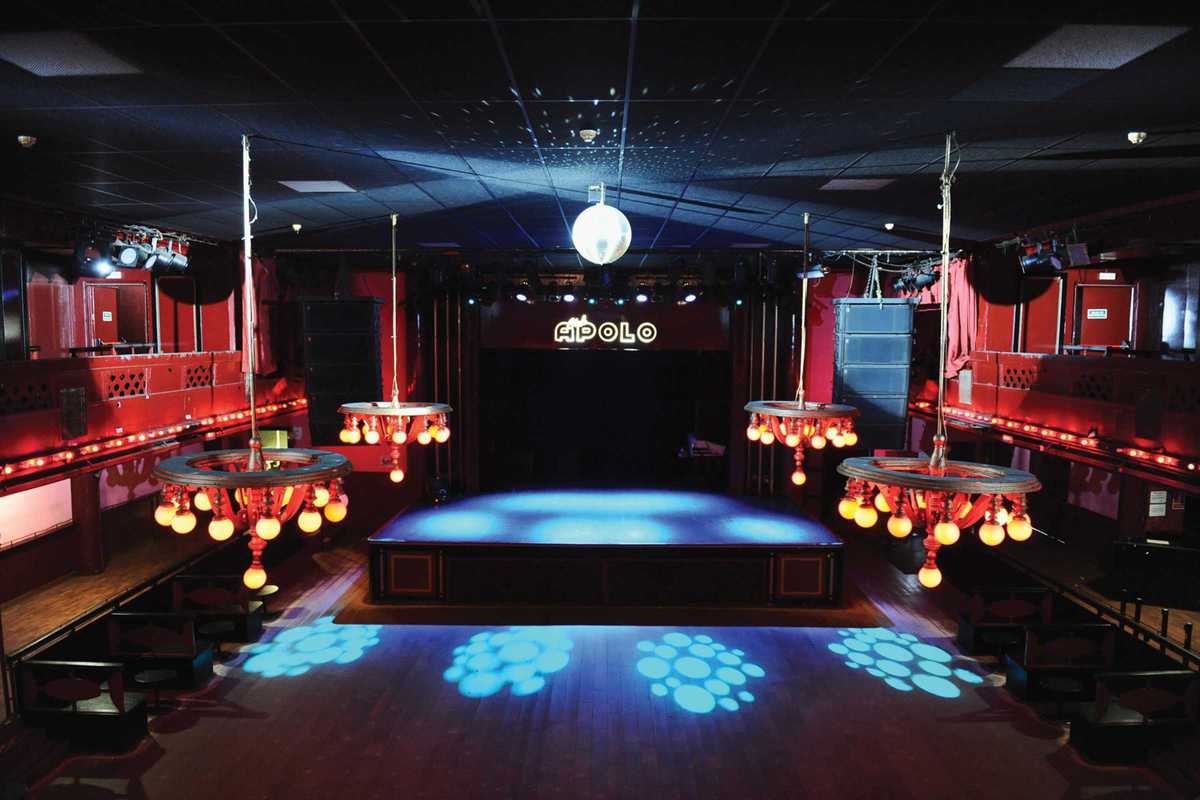
The area around Avinguda del Paral•lel has always been at the heart of Barcelona’s nightlife. Famed for its theaters and music halls since the beginning of the 20th century, it continues that tradition today, including the ever-popular club and concert venue Sala Apolo.
Founded in 1943 as a dance hall, the main room still retains that look and feel, but club nights range from Nasty Mondays and reggae with the Caníbal Sound System on Wednesdays to Nitsa, their Friday and Saturday electronic music session. Both the main room and second space La [2] de Apolo host live concerts Monday to Sunday, ranging from tour dates by major artists to Caprichos de Apolo, which offers a diverse selection of music from around the world.
La [3] lounge bar completes the picture.
Address: C/ Nou de Sant Francesc, 5 (Barri Gòtic)Hours: Today 23:59–5:00
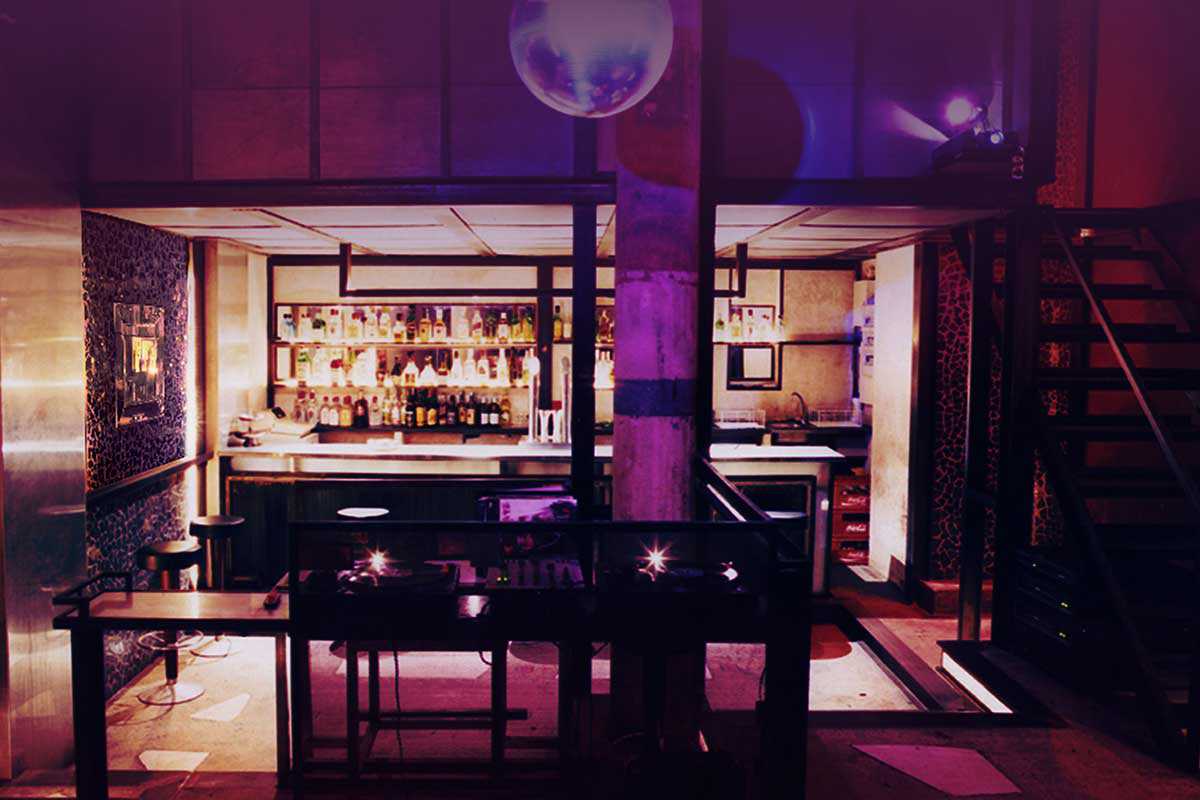
Stand toe-to-toe with some of Europe’s most revered underground house and techno DJs at Macarena, Barcelona’s tiniest nightclub. Under a single glitter globe, the DJ booth sits right in the middle of the dance floor at this blistering underground temple of groove, hosting both local and international talent.
But don’t let its diminutive size deter you – originally a tablao flamenco venue, this intimate space now boasts what is frequently hailed as the best sound system in Barcelona and has amassed a loyal following of non-commercial dance music fanatics. The atmosphere is warm and cosmopolitan, with a mix of friendly regulars and in-the-know night owls tearing up the dance floor on a nightly basis.
Whether you’re a die-hard dance devotee or are simply looking for something fresh and exciting, Macarena is pretty much guaranteed to provide the fix you’re after.
Address: C/ Almogàvers, 122 (Poblenou)Hours: Today 9:00–17:30
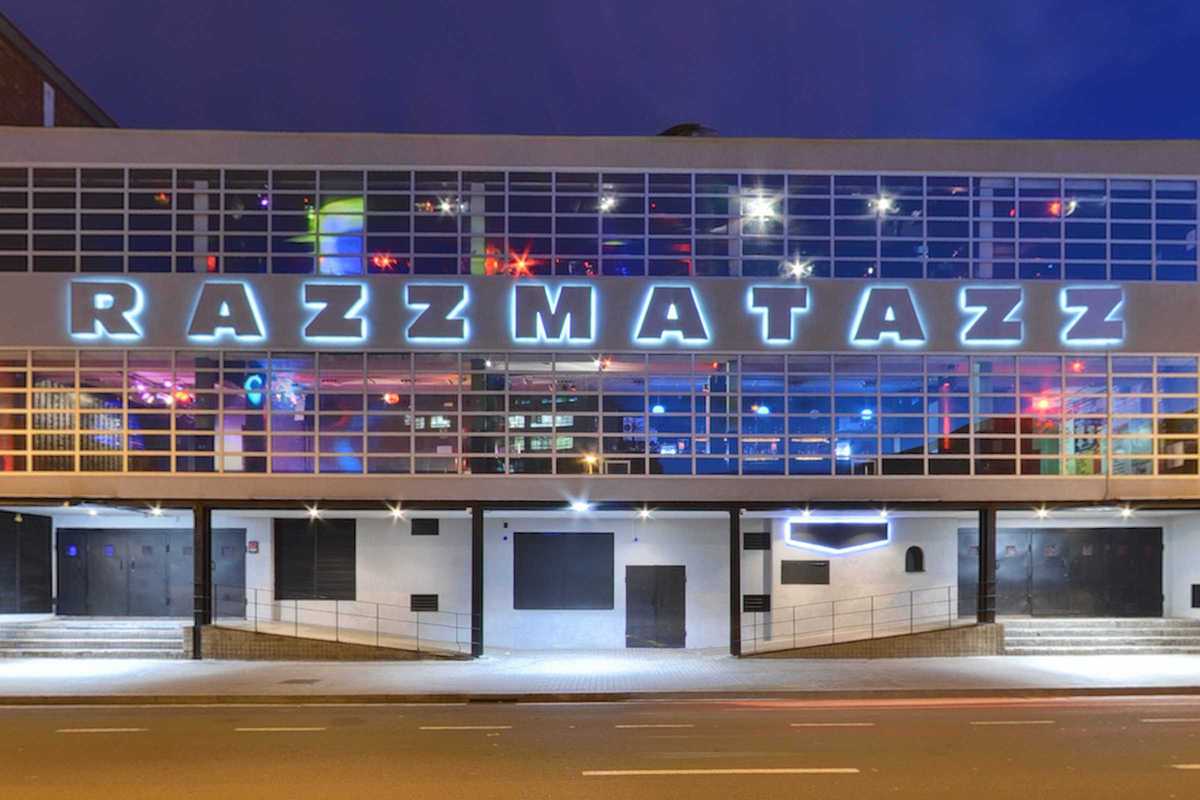
Name your club after a Pulp song and invite the band to its first birthday. Razzmatazz did both, an indie-kid beginning for a place whose musical appetites stretch from techno to reggaeton. Opened in December 2000 with The Flaming Lips, the Poblenou venue took over the site of Sala Zeleste, which had moved here in 1986. Founder Daniel Faidella, a promoter from the Zeleste era, carried that live-music lineage into a rather expansive new chapter.
The setting helps explain the scale: two former industrial buildings, an engine factory and a textile-processing warehouse, connected by a labyrinth of stairways and passages. There are five independent rooms, now numbered, with room for roughly 2,000 in the main hall and a couple of hundred in the third. One club ticket covers them all. If the first room isn’t working, there are four more to try.
Electronic tastes have plenty to work with. Human ranges through techno, house, electro and breaks, while Torax keeps its focus on techno. Elsewhere in the program, Fuego brings rap, dembow and afrobeats, El Dirty hits and reggaeton and Common People indie and Britpop. Common People, fittingly, keeps the Pulp connection alive. Check the program before choosing a night – these are parties with different musical loyalties, not permanent genres assigned to rooms.
Concerts have a life of their own, with around 500 a year and separate tickets. Arctic Monkeys and LCD Soundsystem played early shows here; Björk gave a secret show in 2003. It’s also a regular stop for Primavera Sound’s city concerts. The club crowd is young and international, with entry for ages 18 and over and photo ID required. Leave the football shirt and flip-flops at home. Bring a little musical curiosity.
Address: C/ Escudellers, 49 (Barri Gòtic)Hours: Today 21:30–5:00
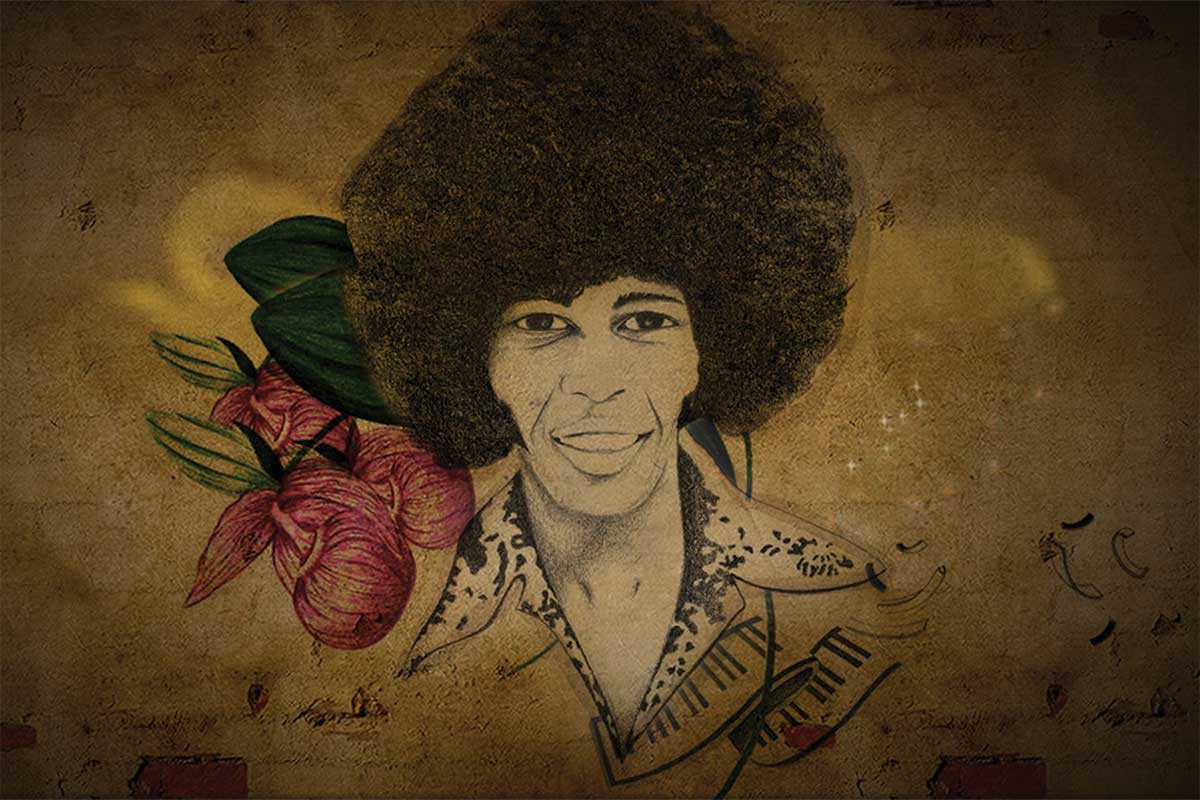
The younger sibling of Madrid’s iconic nightclub, which bears the same name, Marula Café’s sole goal in life is to pump “real music” through the veins of Barcelona.
Electronic beats are eschewed in favor of funk, disco, soul and Afrobeat rhythms, with timeless floor fillers from the likes of James Brown, Michael Jackson and Sly & the Family Stone setting the scene for serious dance-offs. Not too big and not too small, the vibe is fun and familiar and its super central locale – just off Plaça George Orwell – attracts a lively crowd of both local funkadelics and adventurous visitors who stumble beyond the boundaries of Plaça Reial.
Don’t miss The Presidentes or DJ Timber’s “We Funk” nights, and be sure to give up the funk at one of the legendary “Freaky Flo Parties.” Open nightly, it’s time to put on those hot pants and get up offa that thing!
Address: C/ Vilà i Vilà, 63 (Poble-sec & Montjuïc)Hours: Closed today
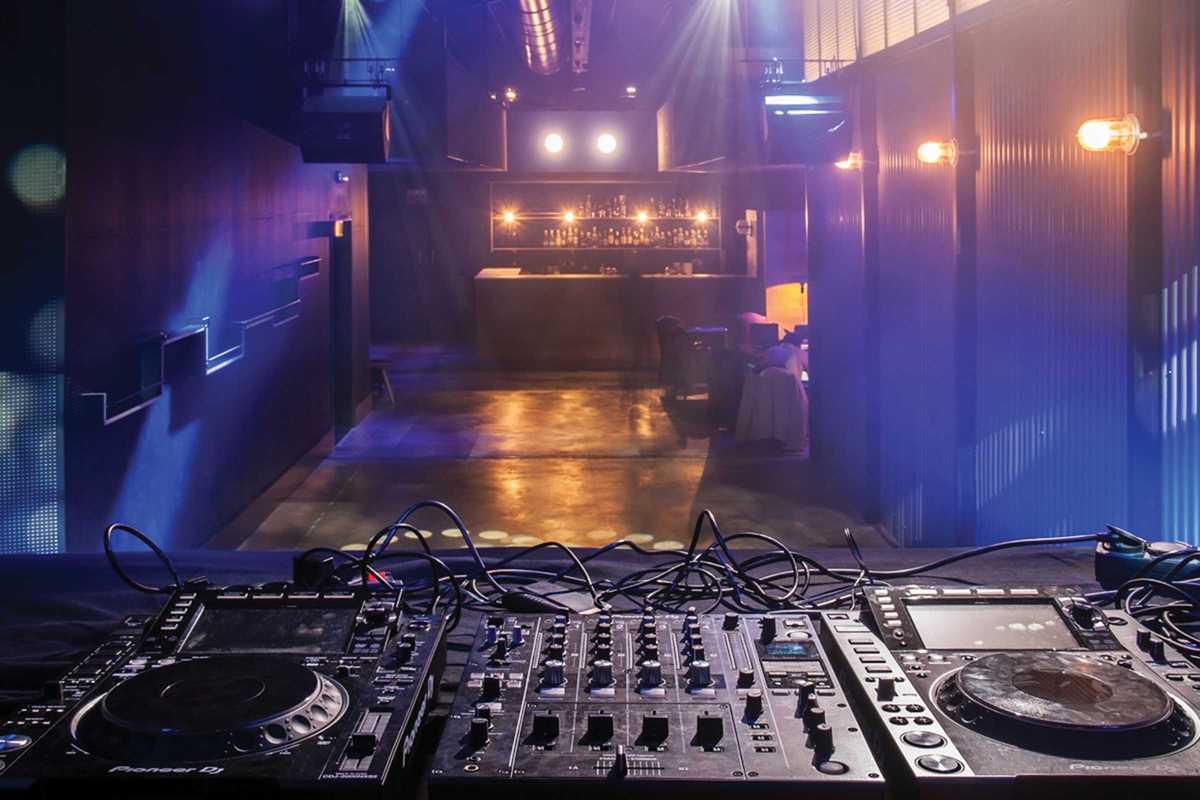
After a false start owing to sound issues, the cozy nightspot in Poble Sec known as Laut has now made a name for itself as the credible, comfortable and cool club that Barcelona has been waiting for.
Its weekend bookings are selected by the team behind the Lapsus label, festival and radio show, and is unusually varied within the possibilities that electronic music can offer. There are no residents and few regular nights, so the publication of each month’s flyer attracts much interest from underground commentators. Leftfield successes have included the electro of CPU Records, tropical disco from Awesome Tapes From Africa and the IDM of B12.
Inspiration for the venue has clearly come from the promoters’ trips to Europe’s clubbing capital Berlin, evident in the clean sound, industrial fittings and Club-Mate in the fridges. This writer especially appreciates the sofa area, almost extinct in other discothèques, perfect for getting oriented in the early stages of an evening.
The club no longer stands alone on the street. It now connects through to Casa Montjuïc, the cinema and concert hall next door, with Tiberi Bar between the two for eating and drinking. Two brothers run the pair – Marco here, Edu at the Casa.
Address: C/ Montserrat 9 (El Raval)Hours: Closed today
Kitsch, camp, fantastically trashy and endlessly fun, El Cangrejo is the gay dive bar you’ve been looking for. Guaranteeing “the most fun” in the whole of Barcelona, El Cangrejo hosts drag nights, lip-sync performances and occasionally theater plays that have RuPaul turning in his diamanté-encrusted pajamas. It’s raining men!
Great for a cocktail and a dance among the handsome Spanish fellas, it’s a staple Saturday night for the locals. Get your dancing shoes on queen, as DJs spin classic ‘70s, ‘80s and Spanish pop hits to help you let your hair down and boogie the blues away. A friendly vibe and cute bartenders make El Cangrejo an unmissable stop on your LGBTQ+ club list.
Make sure you hit it up in the cooler months though, as it gets hot as hell in the summer. Now, vogue baby!
More nightclubs
Address: C/ Lincoln, 15 (Sarrià – Sant Gervasi)Hours: Closed today
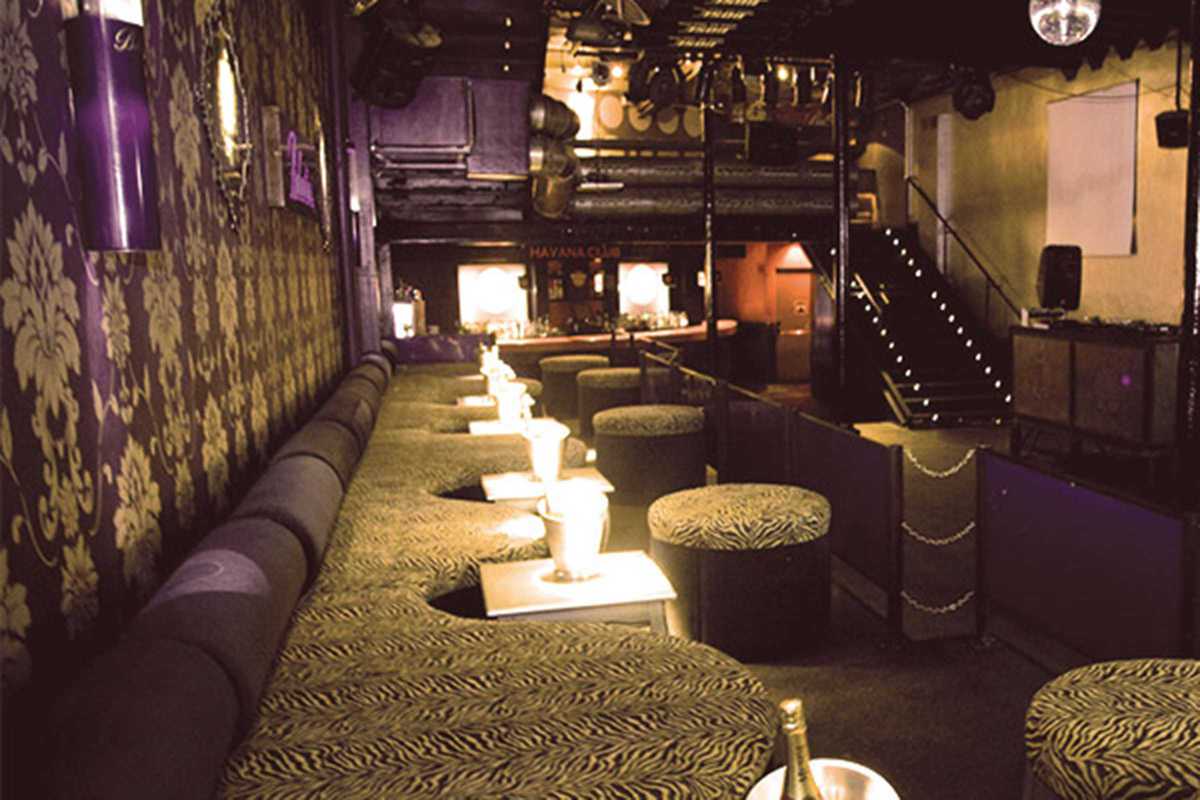
Forty years is a good run for a nightclub. Otto Zutz opened in 1985 in a former textile factory in Sant Gervasi, bringing a little New York industrial style to the neighborhood. The original layout spread the action across two floors and mezzanines, making use of the factory’s open spaces and iron beams. Cement, cast-iron pillars and vaulted brick ceilings gave designers Alicia Núñez, Guillem Bonet and Jordi Parcerisas plenty to work with. Their interior was shortlisted for the FAD awards.
The club expanded in 1992, as Barcelona prepared for the Olympics. The new third floor housed Los Altos, a private room that became a meeting point for the city’s celebrities. Otto Zutz also built a following for hip hop, R&B and funk, and those sounds still shape the program. The original idea was that the crowd made the atmosphere, with the factory providing the setting. It remains an appealing division of labor.
Reggaeton, house and hits round out the selection today, with the mix changing according to the party. There are three rooms, giving a group with divided musical loyalties some room to maneuver. Saturday’s La Casita Club puts reggaeton and hits in one room, with house and older reggaeton favorites in another. Check the current program on Instagram before picking a night.
The crowd is young, with locals, international students and visitors all in the mix. VIP tables and bottle service are available if the occasion calls for them; otherwise, the dance floor will do nicely. The door policy is summed up as cuida tu imagen (look your best). A little effort with the outfit is in order – then it’s over to the DJs.
Address: Gran Via, 698 (Eixample Dreta)Hours: Today 9:00–3:00
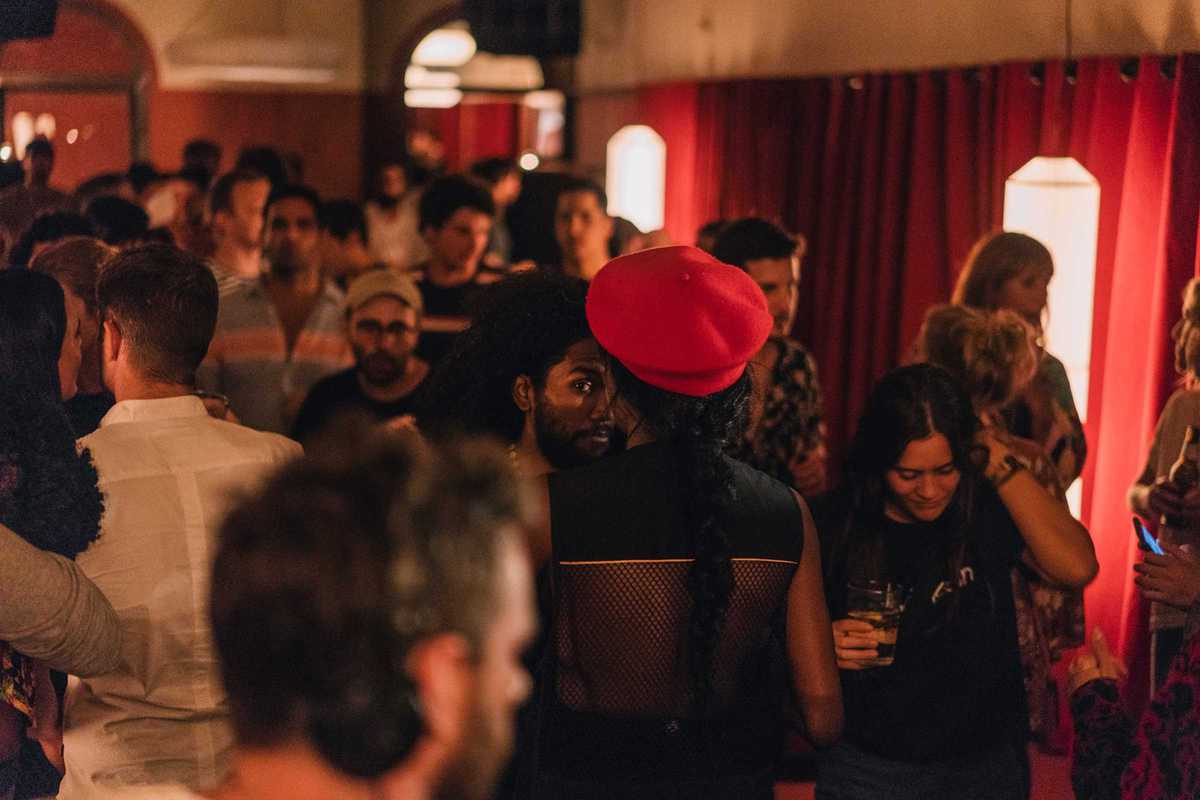
Casa Bonay has gone a long in offering an elegant venue dedicated to the appreciation of selectors with their bar Libertine, which serves as a hotel lobby, restaurant and cocktail bar with DJs at the weekends. The launch of Nica in 2018 took the concept to impressive new heights, creating something unique in Barcelona.
The space, located next door to Bonay, has been designed for intimate parties with the assistance of London audiophiles Amit and Aneesh Patel, whose bar Brilliant Corners is world famous among lovers of hi-fi sound. It is a room that sounds like none other in the city, with an incredible amount of thought gone into every detail to ensure the optimum listening experience.
It is one of the jewels of Barcelona’s underground. Check their Facebook page for upcoming events, typically held on Fridays.
Address: Av. Marquès de l’Argentera, 27 (El Born)Hours: Today 21:00–0:00
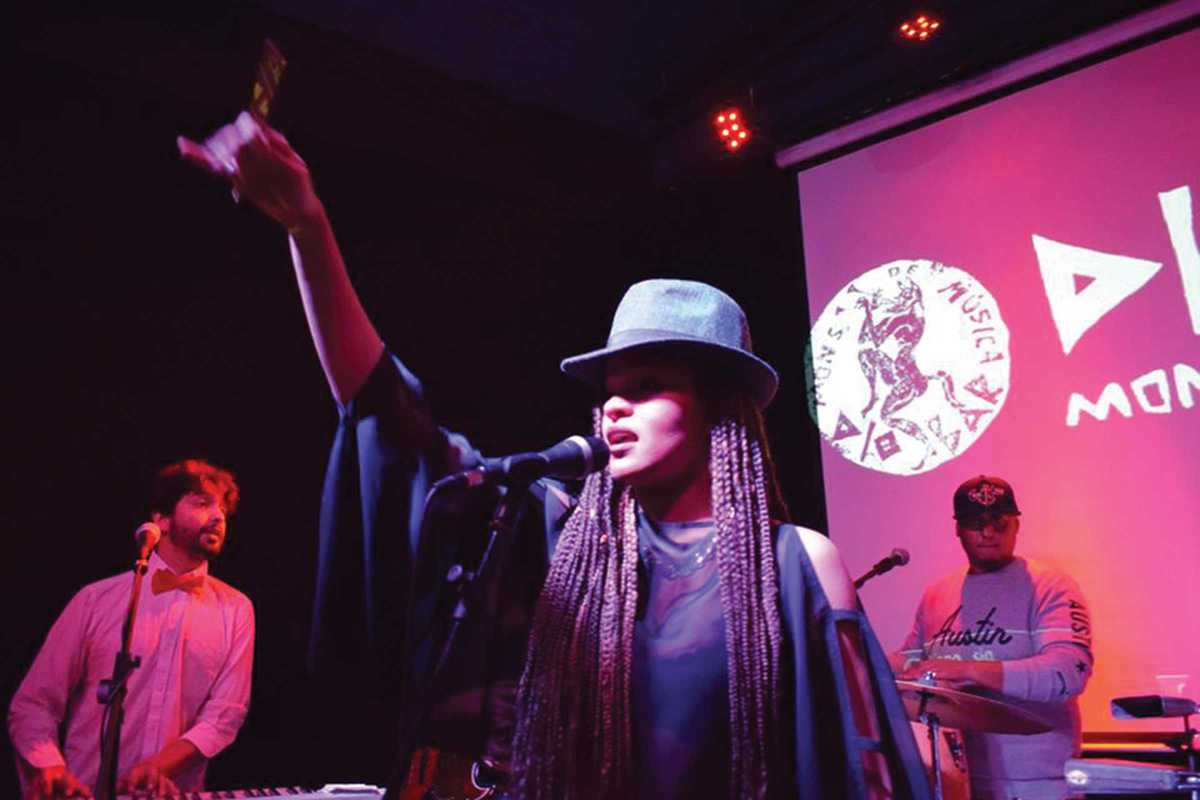
You could be forgiven for thinking it unlikely you’d find one of Barcelona’s best music venues in the basement of a Greek restaurant, but that’s exactly what lies underneath the Born branch of the Dionisos eatery.
They’ve been busy putting on a variety of events since they reopened the space in 2016 with an emphasis on world music and live bands. They’ve welcomed London disco dons Love Come Down, proving that DJs and dance music are also welcome, and they’re open to experimentation with their programming. Another popular is the BCN Afrobeat Sessions party, with a mix of live music and DJs spinning Afrobeat tunes.
The space is impressive, with its exposed brick work and high ceilings giving an airier feel than you would expect from an underground space, yet still cozy enough to feel friendly. There’s also a dedicated mojito bar for those of us so inclined. Food, drink and dancing, what more could you want?
Address: Poble Espanyol (Poble-sec & Montjuïc)Hours: Closed today
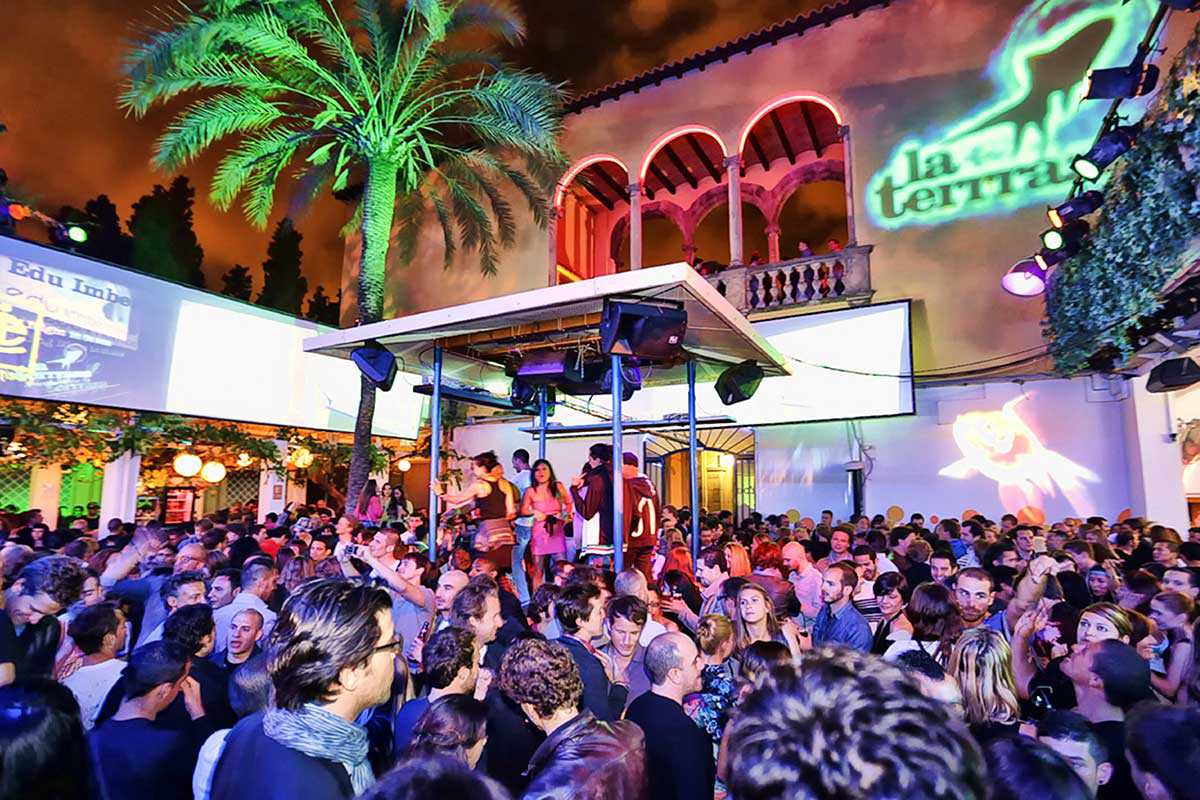
Summer in Barcelona wouldn’t be summer without La Terrrazza. Since 1995 the city’s definitive open-air club has held the courtyard of a replica Balearic manor inside Poble Espanyol, the 1929 exposition village on Montjuïc – palms overhead, four bars, a balcony with the city glittering below and dancing under the actual sky from May to October.
The program has grown into a week-spanning affair. Sunset sessions start with the light still golden – Sunday’s Churros con Chocolate is the beloved fixture – and the night sessions run till dawn on house, techno, disco and electro from the city’s promoter crews and the club’s own RRR collaborations. The bookings carry real weight for a party under the open sky: recent seasons have sent DJ Seinfeld, Logic1000, Étienne de Crécy, Guy Gerber, Sofia Kourtesis and Mano Le Tough up the hill.
Three decades in, it remains the standard against which every Barcelona rooftop party gets measured – one of the longest-running clubbing institutions in the city, and still the best answer to a warm Friday. Leave the sportswear at home, and book ahead: the good nights sell out.
Address: Poble Espanyol (Poble-sec & Montjuïc)Hours: Closed today
Poble Espanyol on the side of Montjuïc has a rich nightlife history, and the coming months should see a return to the glory days of the noughts. La Terrrazza are going strong with their summer season, and promoters like Brunch – in the City hold events there alongside a wealth of live concerts and festivals, plus Off Sónar back in June.
The latest addition is Input, formerly The One, which was formerly the legendary Discotheque, so we’re talking some serious clubbing heritage here. Friday nights feature forward-thinking electronic music under the Input name: the launch party featured the Flying Circus 10 Years Tour with Martin Buttrich, Audiofly and Blond:ish.
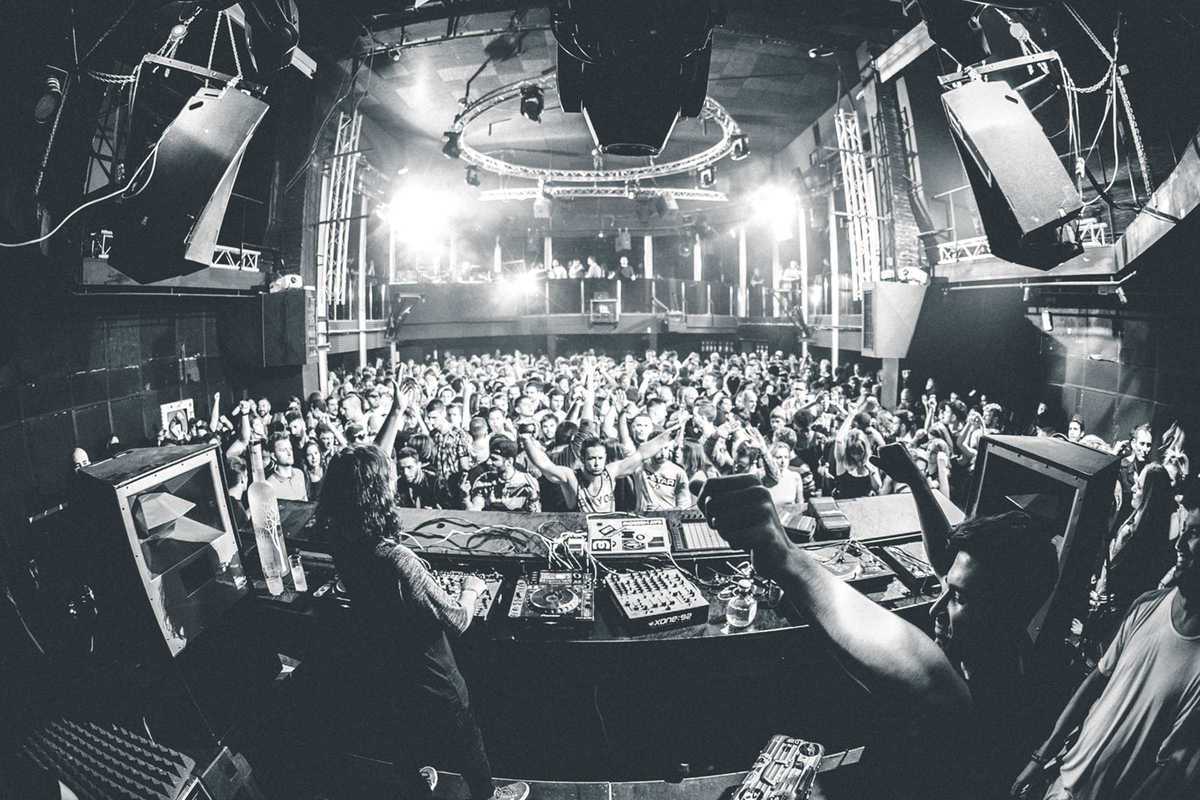
Input describes itself as a “high fidelity dance club” and the extensively refurbished venue has had a Funktion-One sound system installed as well as a giant LED screen along one wall. The DJ booth will also be at the same level as the dancefloor.
Address: C/ Arc del Teatre, 3 (El Raval)Hours: Today 0:00–5:00
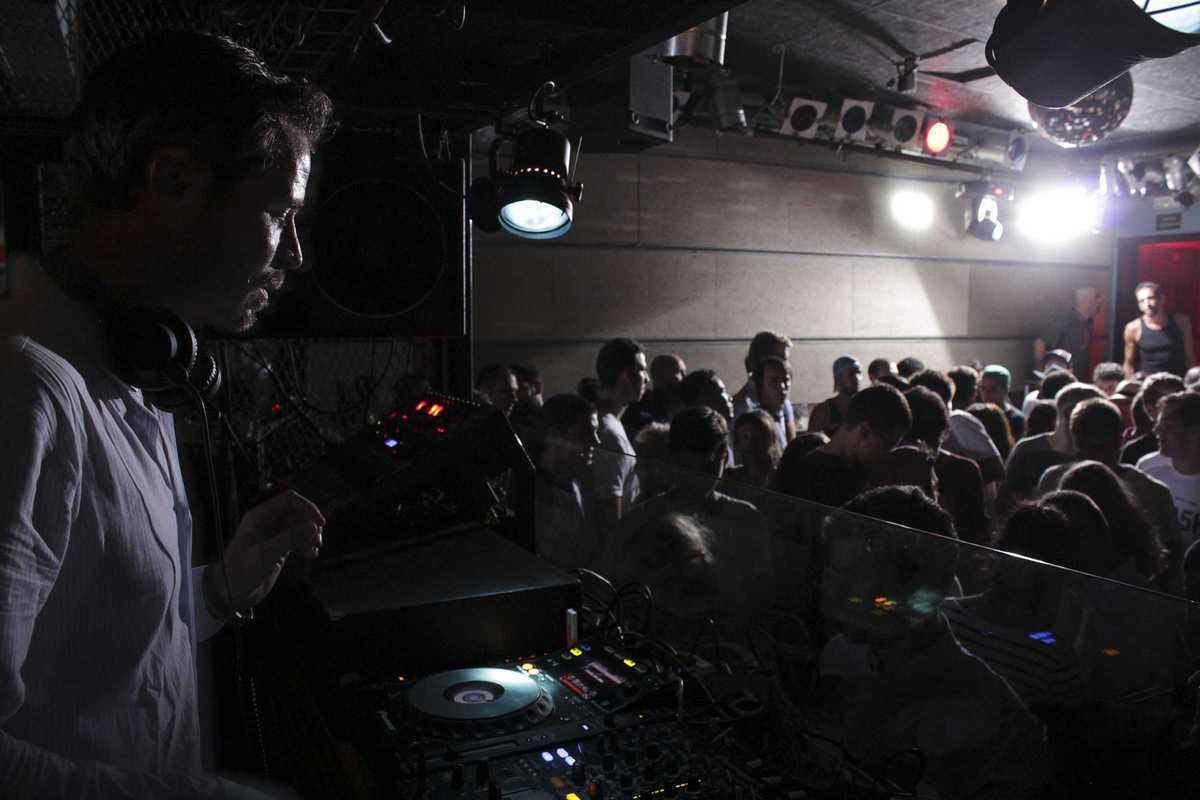
If your idea of clubbing is underground music in a dark basement, Moog is the place to go in BCN. Located on the Raval side of La Rambla, it may be a little rough and ready, but that’s more than compensated for by the unpretentious, intimate atmosphere where the dancefloor can get pretty lively – and techno is the order of the night.
The club’s history runs alongside the evolution of the city’s electronic music scene. Founded in 1996, Moog opens at midnight every night, 365 days a year. Even though they have plenty of international guests, the resident DJs are just as important. The venue also has an upstairs room playing electropop and disco.
Address: C/ Nou de la Rambla, 113 (Poble-sec & Montjuïc)Hours: Closed today
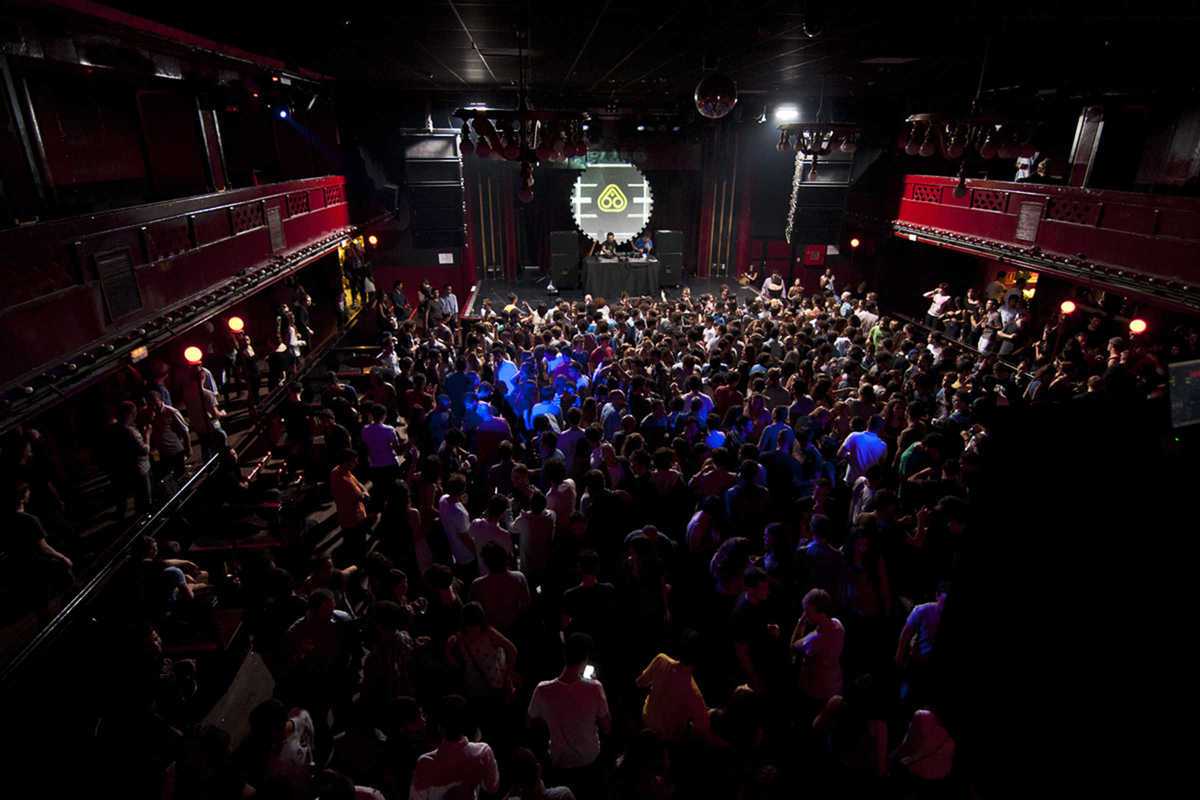
Sala Apolo has a long and illustrious history as a nightlife emporium. In its current form, the Apolo hosts live music or club events every night of the week, either in the main venue or in its little sister, La [2]. Once it’s past midnight on Fridays and Saturdays, however, it’s dance music’s turn and Nitsa takes control.
Nitsa is one of Barcelona’s most popular and longest-running club nights, covering a wide range of electronic music through disco, house, electro, techno and dubstep. Reflecting the constant changes in club culture, a diverse selection of international DJs are invited to play, but Nitsa also champions the local scene with residents like DJs Fra and Kosmos just as popular with the club’s faithfuls.
Once used as a theater, the cavernous main room creates an intimate, intense atmosphere, and there are plenty of seating areas for when you need a breather.
Address: C/ Villarroel 88 (Eixample Esquerra)Hours: Closed today
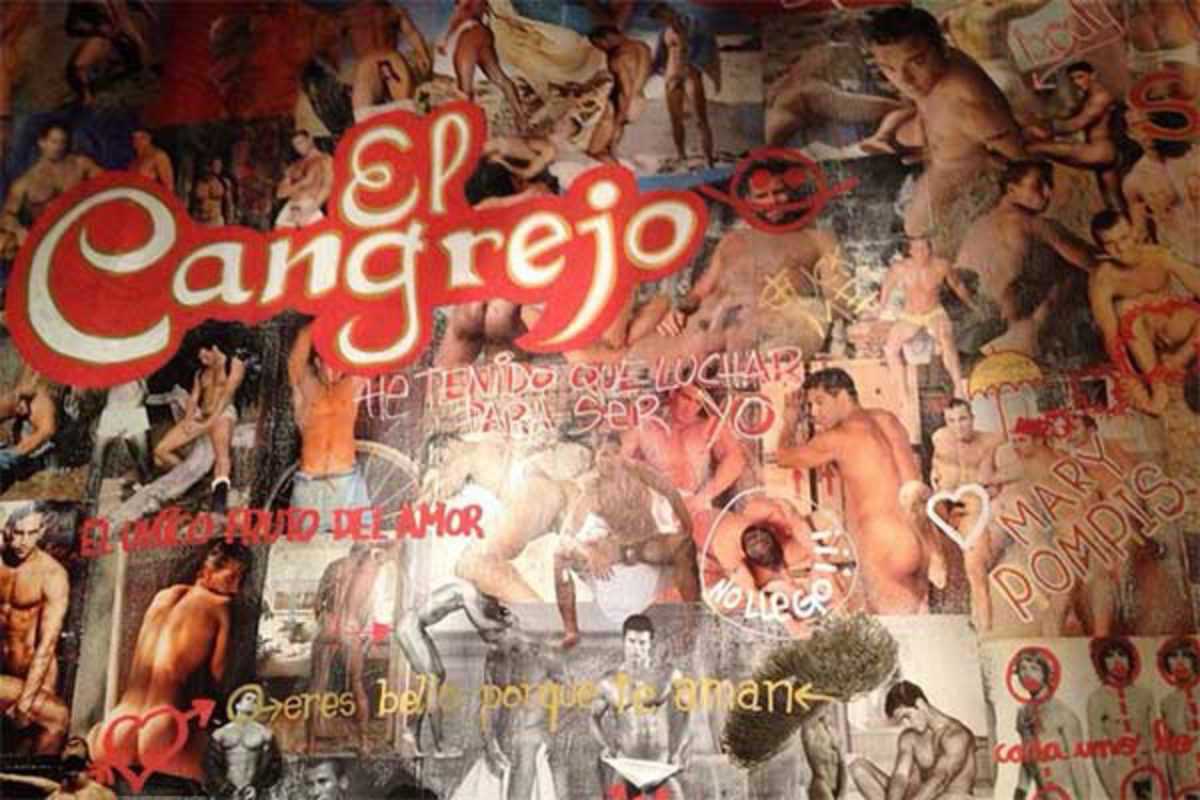
This is a popular spot among locals, so expect to see plenty of handsome, beardy Catalans in this centrally-located dance bar. The walls are famously covered with gold crabs, which goes well with the general sailor/nautical theme (“El Cangrejo” means “The Crab” in Spanish).
It gets rammed in here and it’s pretty dark, but with everyone singing along to the mash-up of cheese, pop (the Spice Girls came on twice when we were here), show tunes, house and traditional Catalan and Spanish pop – often in big circles – it’s as brash as it is friendly. There’s a decent-sized bar, but most of this space is set aside for dancing.
It’s loud, masculine and one of the top spots in the gay district. It’s especially popular on Friday and Saturday nights. Its older brother, El Cangrejo in the Raval, is a historic locale that attracts a mixed crowd.