By Michael Mueller · Updated September 2026
Start the day with contemporary art at MACBA in the Raval, then wander the Born for independent Barcelona designers like Colmillo de Morsa. Follow that with a vermut at Morro Fi in the Eixample and dinner at Cañete back in the Raval. These are our picks across the city, grouped by what you feel like doing; the selection changes as we find new favorites.
Make time for the Sagrada Família too, and buy tickets ahead for one of the city’s best-known attractions. At MACBA, check the current exhibitions before you go, just as you would check the program for a concert. Our picks reflect our own time in the city and a taste for independent places, with room for a €3 vermut and a €90 tasting menu.
Barcelona eats on Spanish hours – lunch from 1pm, dinner after 9pm and after-dinner drinks from 11pm. An empty nightclub at midnight tells you nothing. Book ahead for Cañete, but leave some of the day unplanned. For lunch, head off La Rambla. Sant Antoni, Gràcia and the Born are places to spend an afternoon over coffee, markets, vintage shops and tapas.
Some of the best things to do in Barcelona happen at night. There’s a drink on the rooftop at Terrassa Pulitzer in the Eixample, a night at Apolo in Poble-sec or a concert at Razzmatazz in Poblenou. For a smaller independent club, try Laut, also in Poble-sec. Choose the night as much as the room – check who’s playing before deciding where to go.
With three days, choose a few of these and give them time: a museum, a long lunch, a night out and a neighborhood walked end to end. For ideas on what to do in Barcelona this week, look for events below the list. Each place entry links to its own page and website. Leave yourself time for another vermut.
Miniguide has covered Barcelona since 2002 – eighteen years in print, digital since 2020. We write from first-hand knowledge: our own legwork, not aggregated reviews.
Events
This week
Dates: Jul 28 – Sep 25Price: €25Location: Casa Amatller (Eixample Dreta)
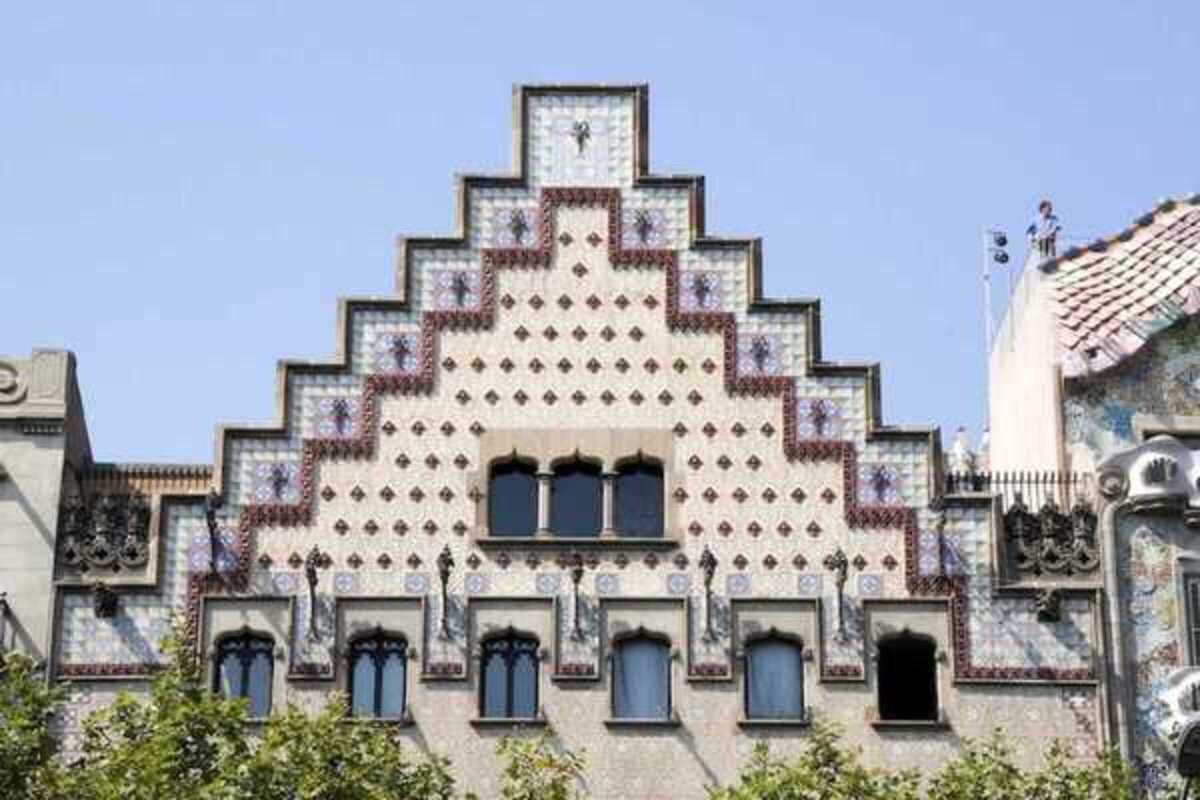
Barcelona’s long summer nights are made for exploring, and this after-hours wander through Casa Amatller adds a little Modernista magic to those evenings. Its Summer Nights series invites you beyond the famous façade and into its world of stained glass, carved wood, patterned tiles and extravagant details.
Built at the turn of the 20th century by the Catalan architect Josep Puig i Cadafalch, the building rivaled some of Antoni Gaudi’s creations. It was built to house the Amatller family who ran one of the most important chocolate businesses in Europe at the time. The house is now a museum and features a cafe where Amatller chocolate can be bought.
With an audio guide leading the way, you can explore the former home of the Amatller family at your own pace. The evening ends with a glass of cava in one of the city’s most unique settings.
Dates: May 21 – Sep 27Price: €6Location: CaixaForum (Poble-sec & Montjuïc)
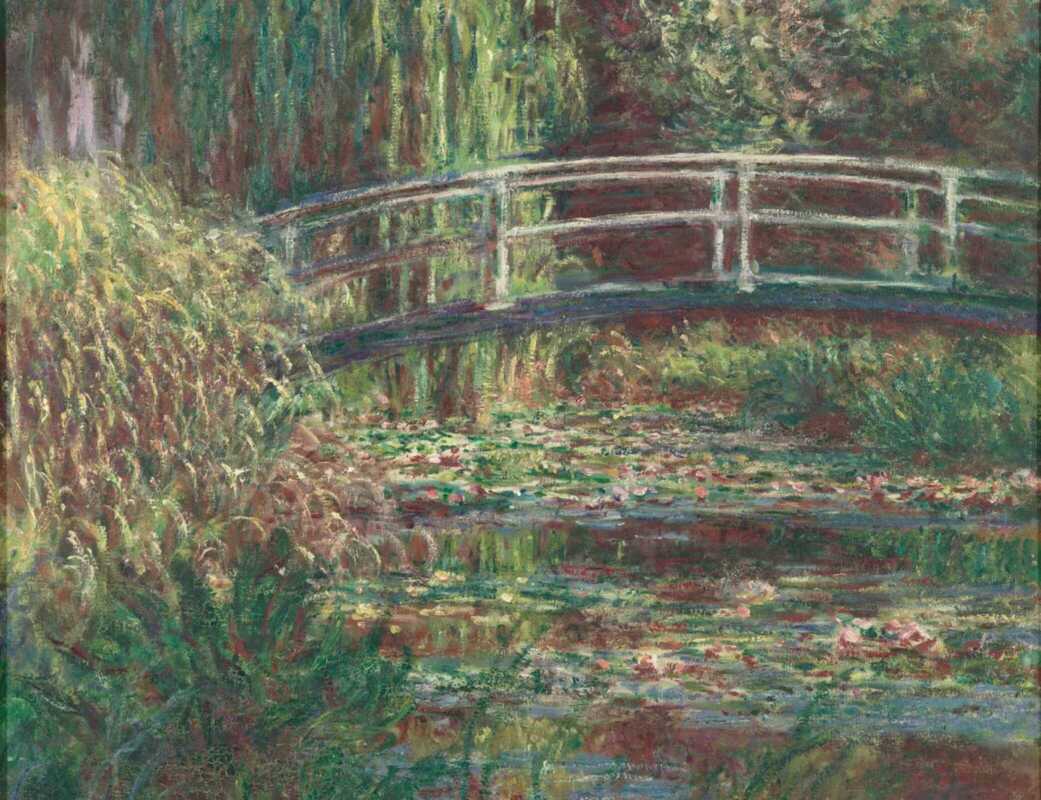
Out of Focus: Another View of Art at CaixaForum takes blur, haze and visual imprecision and treats them not as accidents, but as one of modern art’s most revealing tools. The exhibition starts with Monet’s Water Lilies – a key moment in introducing blur as an expressive device – and uses that idea to rethink how later artists have represented perception and the instability of what we see.
It traces the aesthetic roots of blur from the nineteenth and early twentieth centuries into modern and contemporary art, bringing together painting, video, photography and installation by figures including J. M. W. Turner, Alberto Giacometti, Mark Rothko, Gerhard Richter, Thomas Ruff, Alfredo Jaar, Soledad Sevilla, Christian Boltanski, Bill Viola and Mame-Diarra Niang. At its core is the politics and poetics of unclear seeing: how blur can unsettle certainty, multiply points of view and open up new ways of understanding images.
Dates: Jun 6 – Sep 27Location: Museu Picasso (El Born)
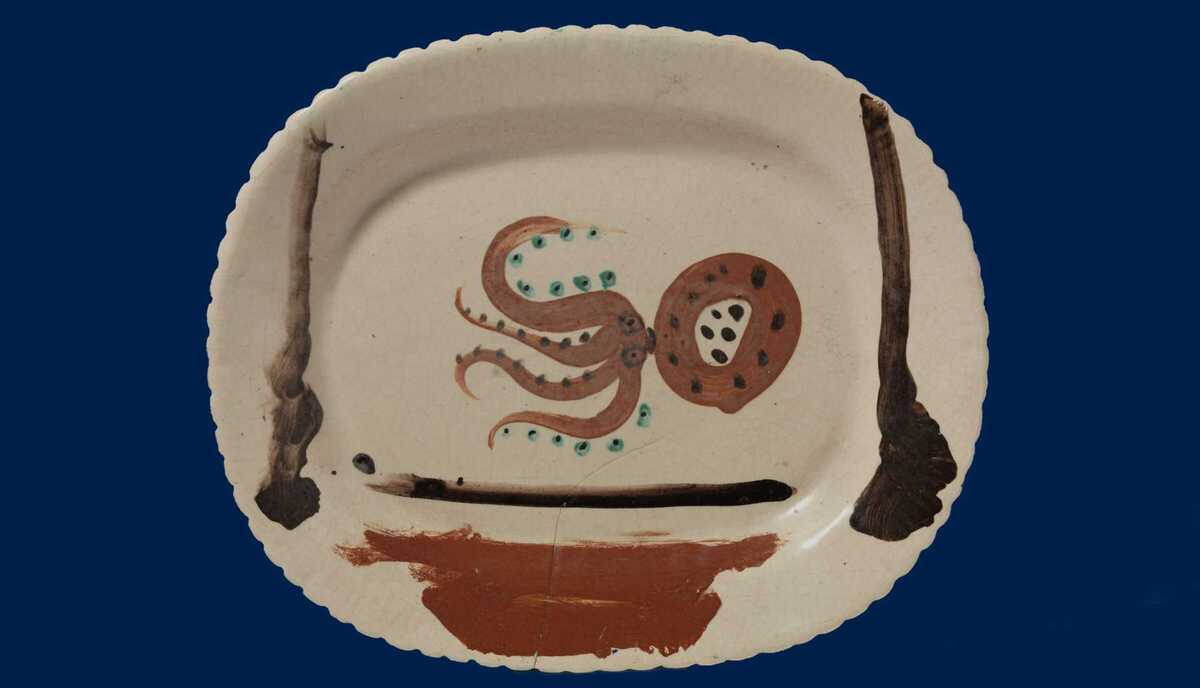
The exhibition Picasso Cyprus: Encounters with the Ceramics of the Mediterranean looks at Pablo Picasso through an unexpected island lens. Although he never visited Cyprus, the exhibition explores how ancient Cypriot art reached him through museums and publications, feeding his fascination with Mediterranean forms, symbols and handmade objects.
The show focuses especially on ceramics, bringing Picasso’s own pieces into the spotlight with Cypriot antiquities and works from collections across Europe. What this shows us is not a story of influence, but a richer encounter with hybrid creatures, expressive faces, animal forms, new shapes and the deep visual memory of the Mediterranean.
Highlights from the Museu Picasso collection include works such as Octopus, Ring of Dancers, Two Fish, Head of a Bull and Pipe-Player and Dancer. The exhibition is running until the end of September, so now’s your chance to catch it.
Dates: Feb 14 – Sep 28Price: €12Location: MACBA (El Raval)
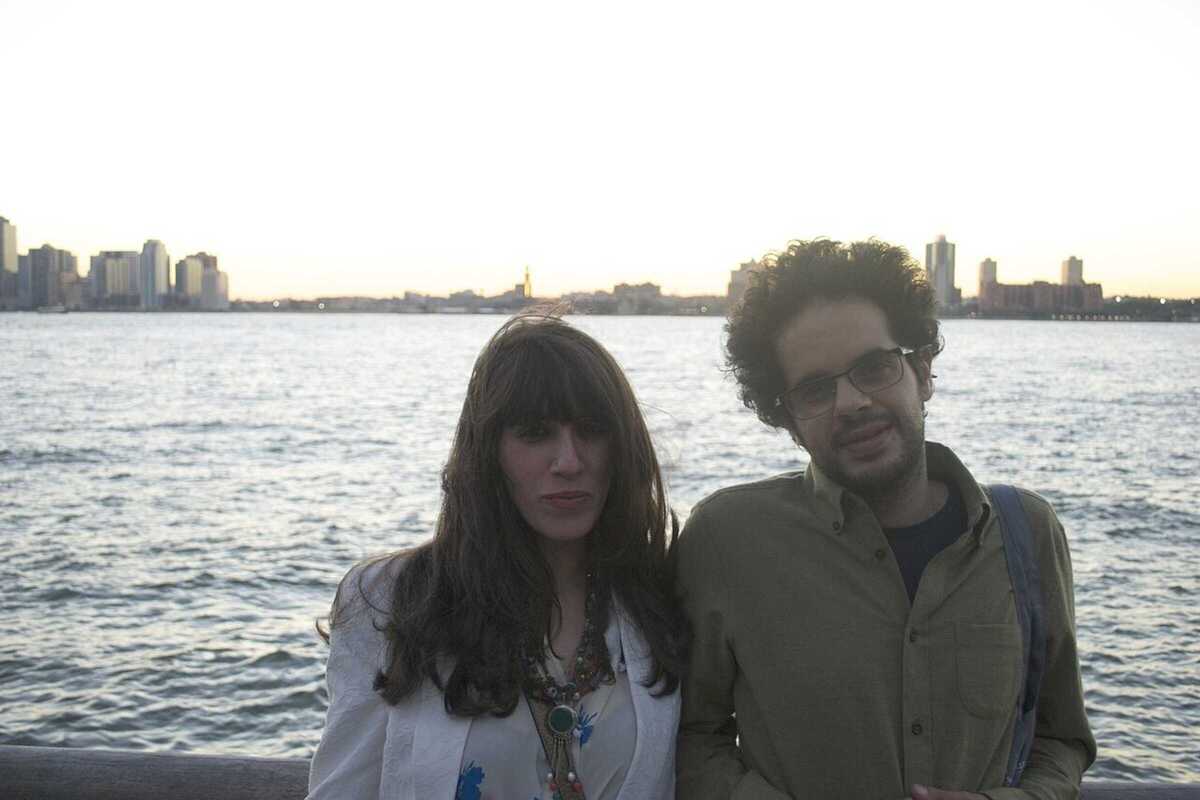
Basel Abbas and Ruanne Abou-Rahme: Prisoners of Love: Until the Sun of Freedom is the duo’s first exhibition in Spain. It’s a powerful, research-led exhibition that treats sound, image and storytelling as forms of resistance. Based between New York and Ramallah, these Palestinian artists have been collaborating together since 2007 across image, sound, text and performance.
At the center of this exhibition is an immersive audiovisual installation shaped by their recent research into the resilience of former Palestinian prisoners, drawing on songs, poetry and everyday acts of resistance. Firsthand recordings and testimonies are layered with text and archival material, building a poetic but politically direct meditation on detention, freedom and survival under oppression.
Presented alongside earlier works, the exhibition traces nearly two decades of practice and a sustained focus on memory, dispossession and struggles against oppression in Palestine and beyond.
Places
Arts & culture
Address: Plaça dels Àngels, 1 (El Raval)Hours: Today 11:00–19:30
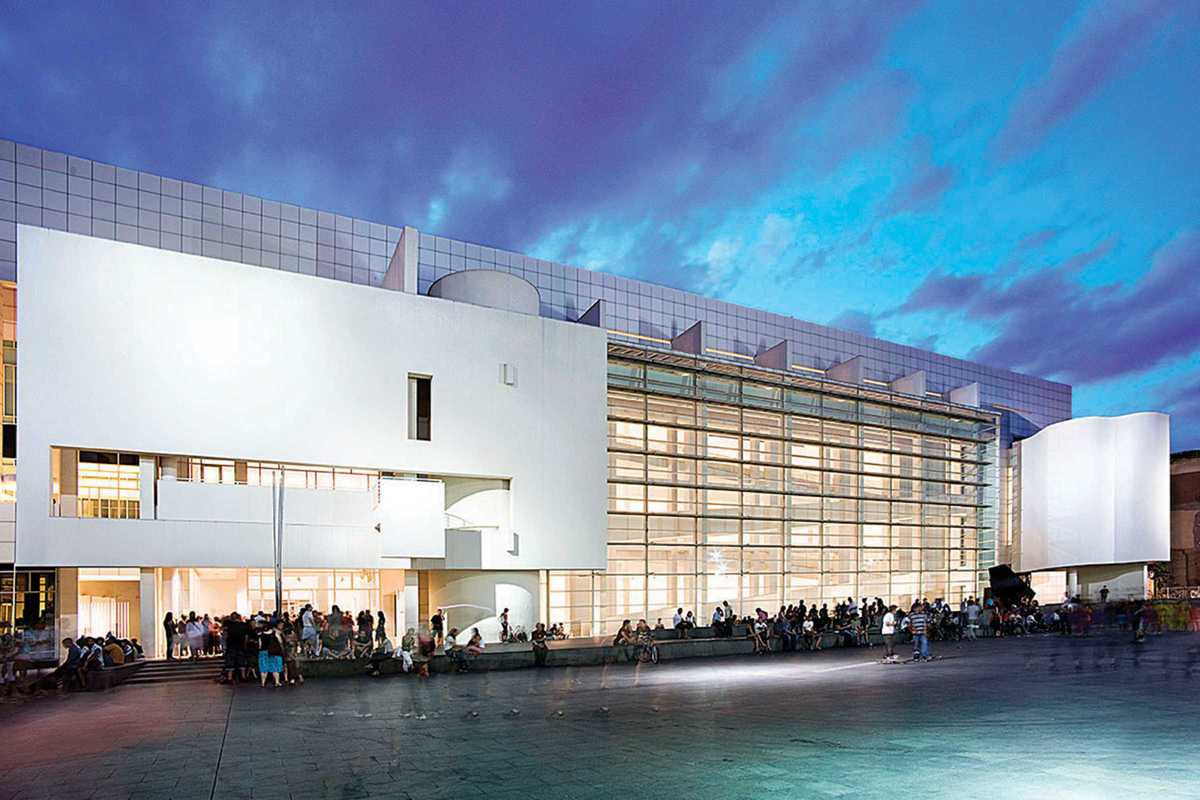
Surrounded by skaters and Keith Haring’s graffiti mural, MACBA has been Barcelona’s reference par excellence for contemporary art and culture since its opening in 1995. The collection consist of some 5,000 local and international artworks created from the ‘50s to present, including avant-garde pieces from the ‘60s and ‘70s, minimalist sculptures from the ‘80s as well as installations and media art.
The museum does not show a permanent exhibition but rather rotates its display through temporary exhibitions, providing a fresh look at its works depending on the context in which they are viewed. In addition to the main building, designed by American architect Richard Meier, the museum extends to the medieval Convent dels Àngels on the same square, which serves as an archival center and space for guest exhibitions.
MACBA also runs the non-profit Ràdio Web MACBA with exhibition commentary, sound art, experimental music, etc.
Address: C/ Mallorca, 401 (Eixample Dreta)Hours: Today 9:00–18:00
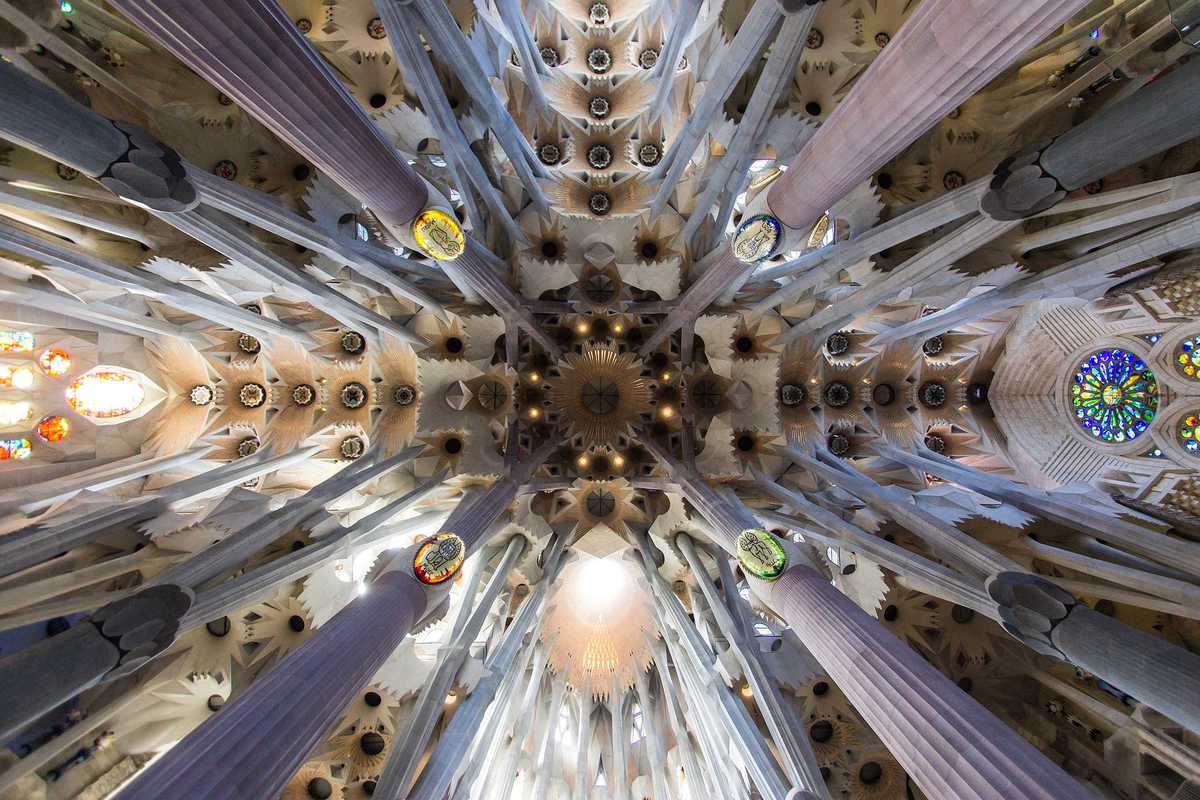
This is the tale of a blue-eyed man with a thousand-yard stare, who scuttled around Barcelona with a collection tin to complete a dream. A dream that, 130 years later, remains unfinished, but has evolved from a dingy plot of land in the Eixample to the monstrously kitsch house of worship that we now know as the Sagrada Família. And that blue-eyed man? Antoni Gaudí i Cornet: architect, eccentric and genius. A person that wealthy Catalans would cross the road to avoid.
Gaudí did not conceive the idea for the Sagrada Família, nor was he the first choice to work on it. The founder was, in fact, a bookseller by the name of Bocabella who, legend has it, dreamed of finding an architect with “piercing blue eyes” and then met 31-year old rising star Gaudí after the resignation of his first builder. It was an appointment that proved fortuitous, as Bocabella’s idea for a “Cathedral of the Poor” became Gaudí’s ultimate, living masterpiece – and which made both him and his work singularly iconic of the city.
Forty years of Gaudí’s life were devoted to working tirelessly on the Sagrada Família. He calculated how the journey of a leaf swirling to the ground could be converted into a 100-meter spiral staircase. And how to make the interior décor resemble a slanting, granite forest with sunset light filtering through its roof of stone leaves. He stuck gigantic, boiled sweets onto the interior pillars. His bell towers end in heaps of multicolored fruit. Dalí called it “bad taste” but loved it all the same.
The architects who have succeeded Gaudí have plenty of guidelines to go by, but critics find that the newest sections are cold, hard-edged and staid, whereas Gaudí’s approach breathes humanness and dare, faithful to the foaming, romping, spurting, dripping, drifting elements found in nature. Very little, if anything, was taboo for Gaudí. He is said to have made plaster casts of temporarily anesthetized chickens so as to recreate their likeness when later sculpted in stone. At points his designs push the envelope so far that it takes a while for any of them to make sense. The Nativity Facade, for example, is so bristling and intricate that any more than a couple of glances will provoke dizziness and turn weaker stomachs.
Such rampant creativity in a holy place could only exist in free-spirited Barcelona but still, it begs the question: how was someone allowed to do that in a Roman Catholic church? You can barely imagine the Pope consecrating the place in 2010 without smiling a little, in disbelief as much as awe, at what this extraordinary Catalan architect was capable of, and all in the name of God. For Gaudí was indeed a devout man who, according to biographer Gijs van Hensbergen, existed on an ascetic diet of lettuce leaves dipped in milk. When asked if it bothered him to not see the work completed in his lifetime, Gaudí simply replied, “My client” – referring to God – “is not in a hurry.”
So, still incomplete, still evolving, the Sagrada Família is the epitome of ephemera. One day it is like this, the next day, different. People around the world visit impressive churches all the time, but it is quite something to walk around this particular church and see the staff not changing the flowers but actually making enormous structural alterations – attaching fixtures, carving facades and unveiling entire statues to be enjoyed by the visitors of tomorrow. Religious feeling can be found somewhere amid the spectacle, but it is not the focus. People tend less to pray in the Sagrada Família than immerse themselves in a house of living art, where it feels as if just about anything could happen.
Today, for example, I am sitting inside the basilica on what must be the coldest morning of the year, with barely a tourist in sight. Even so, the sounds of hammers, cameras and workers wheeling large objects on trolleys gives the impression of a buzzing movie set. A gaggle of Cistercian monks pass by. I stop one of them and ask why he has chosen this particular day to visit. “Our order has donated money for one part of the basilica’s construction. Today’s the inauguration,” he explains.
You would be mistaken for thinking that such an epic church would have an official source of funding, but no. The Sagrada Família is the ultimate startup, based entirely on donations. If the money runs out, building stops, and everyone loses their job. Curiously, the majority of donations come, according to art historian Robert Hughes, from the Japanese. He thoughtfully notes that “the Sagrada Família is the first Catholic temple whose bacon was ever saved by Shinto tourism.”
Back inside the main area of worship, another eccentric design comes in the form of a crucified Jesus suspended from a large beach umbrella decorated with glass grapes and white fairy lights. While almost too ironic, there is still something sincere about this Christ, dead and at peace among references to sun, booze and fun. The aesthetic at work here is none too dissimilar to Baz Luhrmann’s remake of Romeo and Juliet in which the simple, beautiful lovers oscillate innocently around each other while surrounded by loud-mouthed, parasitical urbanites. In both cases, something noble and age-old is alive in the tackiness of a modern setting.
Maybe there is not much dignity in the world we live in today, but it is what we have, and to avoid it is quite simply to lie. Gaudí embraced it, as much as he embraced religion, and tried to pack in as much as he could of both into 170 vertical meters of granite. The edifice as a whole resembles an erupting, mutating skin complaint on the face of Barcelona. But in spite of its flagrant ugliness, the Church of the Holy Family is utterly breathtaking and unforgettable.
Food & drink
Address: C/ Unió, 17 (El Raval)Hours: Today 13:00–0:00
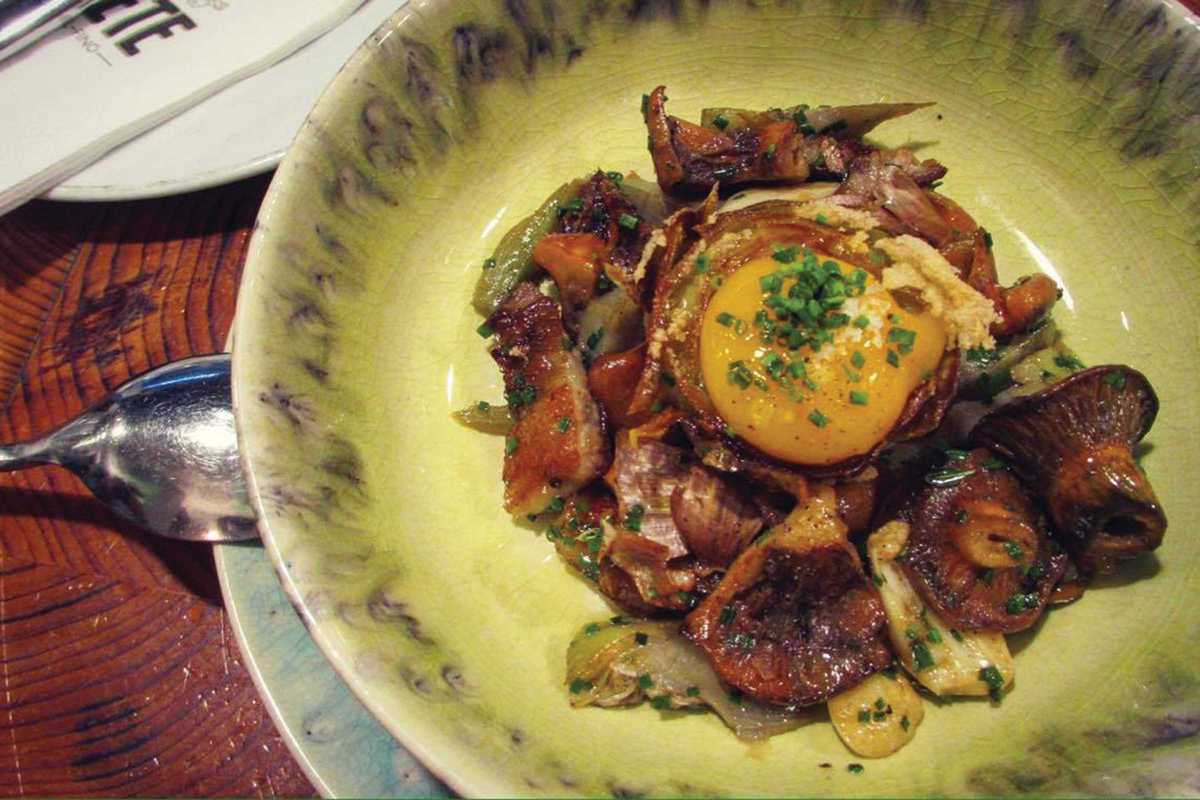
Illuminated by the garish neon lights of tacky mobile phone shops and empty, old man bars, Bar Cañete’s gilded façade glows like an apparition. But as you step inside it feels like traveling through time to Spain’s glory days when everyone had oodles of cash to spend on fine food and wine.
White-coated waiters waltz like nimble Navy officers between the main dining room and the long, narrow bar, where debonair diners perch on leather stools and leer at chefs flinging blue-flamed pans around the open kitchen. The focus is on classic Catalan dishes spruced up with a little creative pizzazz and poetic license.
Try classic croquettes enhanced with tender lobster and other “secret ingredients,” or wild tuna tartare with Mascarpone and wild trout caviar. Meat and fish dishes (the sea bass is divine) are cooked simply but perfectly, and the three-course menú del día offers good value for money. An impressive wine menu and friendly service seal the deal.
Address: C/ Consell de Cent, 171 (Eixample Esquerra)Hours: Today 12:00–23:00
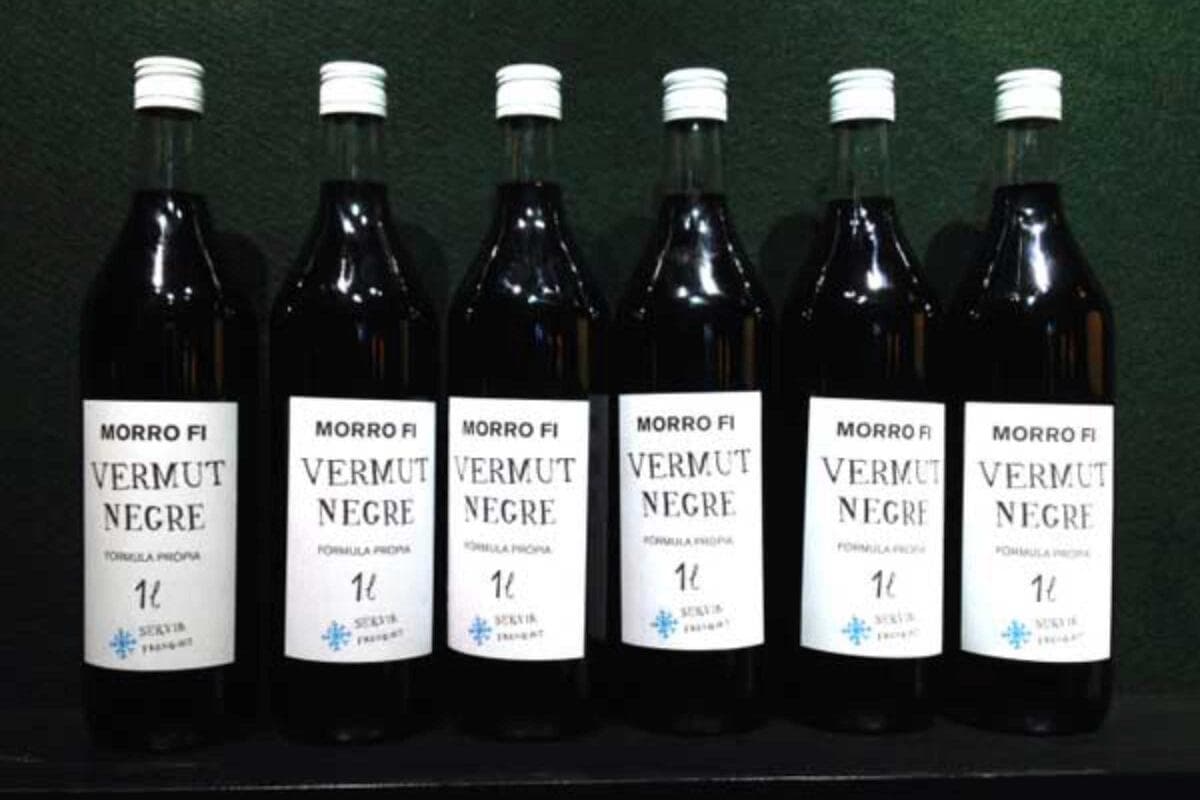
I love it when a plan comes together. I don’t suppose that Guillermo, Marcel and Marc would have imagined that they’d be running a rather successful vermouth spot when they began their foodie blog back in 2007, but swing by this sunny Eixample corner on a Sunday early afternoon and you will see an institution of the Catalan weekend in its most refined incarnation.
Doorstop-thick crisps, canned seafood, olives and almonds will satisfy the peckish, while beers and their own, house-brand vermouth are ideal to wash it all down (the more carefree can plump for a well-crafted Bloody Mary or G&T). Years of trawling the area’s most authentic bars have clearly given the lads their ideas for design, which is impeccable. You may have to wait in line to be served and hover around to get a precious stool, but once you’re settled, you’ll be in your element.
Address: C/ Pintor Fortuny, 31 (El Raval)Hours: Today 9:30–17:00
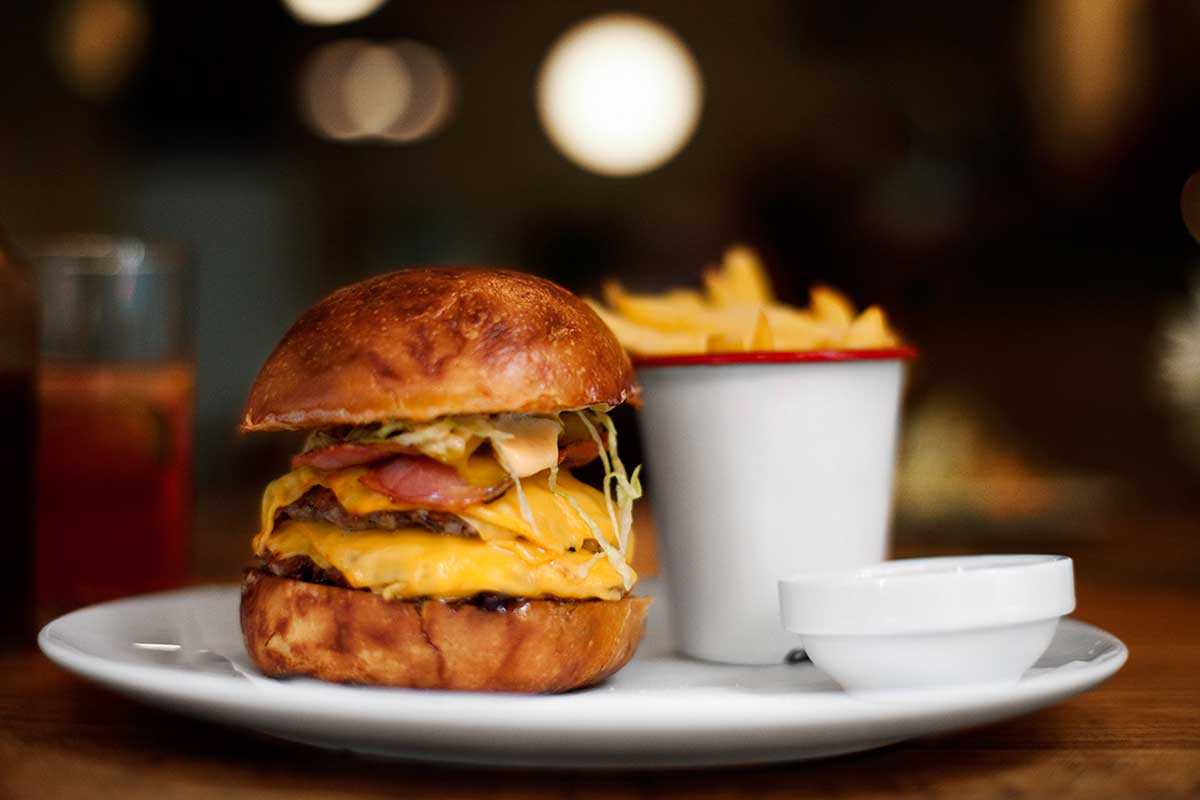
“Why buy it if you can make it?” Such is the philosophy at Caravelle, a creative café and restaurant on Pintor Fortuny. The brainchild of Zim and Poppy, an Australian-British couple who owned gastropubs in London before coming to Barcelona, this place pairs a minimalist, seemingly effortless style with a varied American-European menu based on homemade ingredients.
Hot sauces, jam, ice cream, cola, craft beer… it’s all made from scratch, and it all tastes amazing. The menu changes seasonally, but must-tries have included the mouthwatering fried chicken, slow-cooked carnitas tacos, double cheeseburger or salmon poké bowl. The Full Spanglish brunch (available in veggie form too) will make your weekend – pair it with a flat white from the La Marzocco machine.
And it’s never too early for Caravelle’s own craft beer – Galactic pale ale, Mixtape New-World Pilsner, Midnight IPA, or many more – all brewed onsite with brewmaster Ben.
Address: C/ Argenteria, 64 (El Born)Hours: Today 9:30–20:00
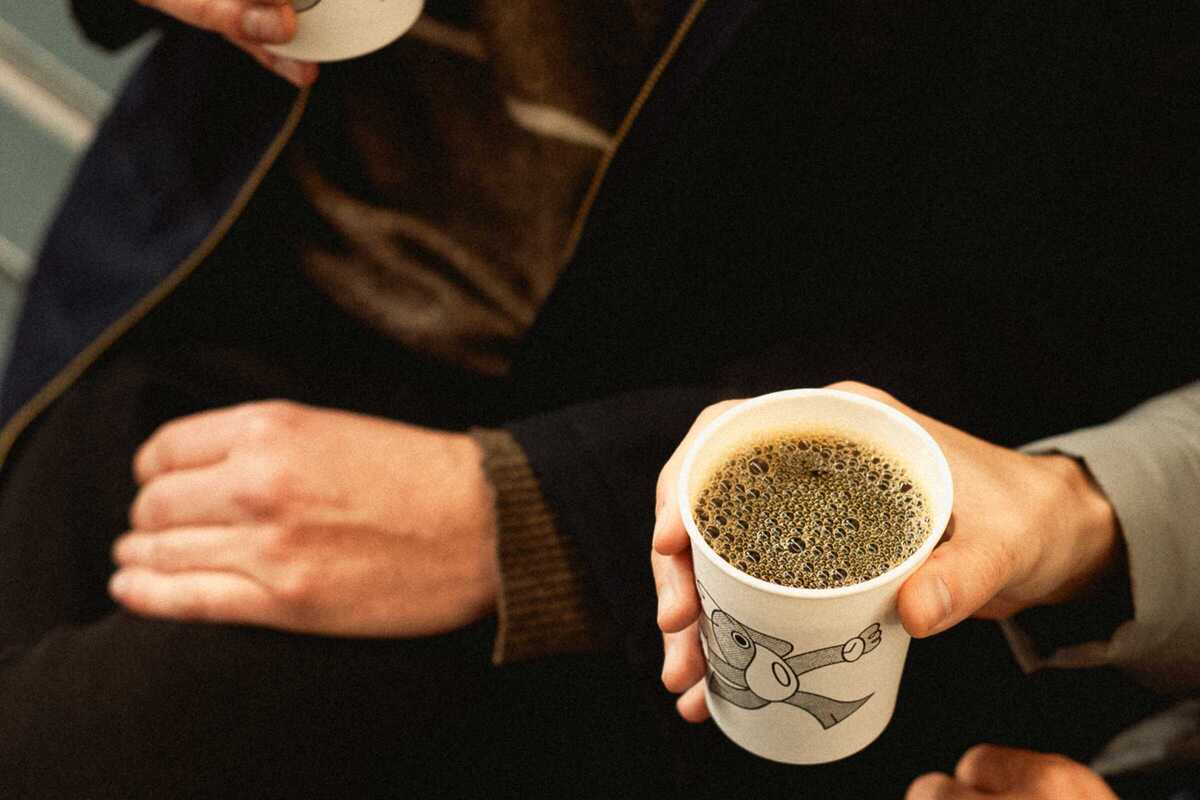
If you care about coffee in Barcelona, the trail leads back to Cafés El Magnífico. The Sans family was roasting beans and pulling serious espresso here long before the specialty boom swept the city – the original article, the OGs, and still the benchmark everyone else measures up to. They’ve been on Carrer Argenteria since 1962, and the Born shop is the reference point for beans bought the old way – loose, by weight, chosen after a conversation with someone who actually knows the harvest.
The house calls itself a specialist in roasted coffee, and means it: the work begins at origin, continues in the daily roast and finishes at the counter, where staff talk you through varieties, methods and profiles. Salvador Sans and his team are working cuppers (professional tasters), and it shows in the range – the classics that built the brand sit beside a selection that rotates each month as new origins and exceptional lots arrive. Decide between a single origin and a blend, pick your method, and they’ll grind to match.
The takeaway espresso is the real argument – loyalists rate it among the best in the city – and you can carry home a bag and the kit to brew it: Aeropress, V60, French press, the lot. Next door, sister house Sans & Sans has done for tea since 1993 what El Magnífico does for coffee. Sixty years on, the family is still raising Barcelona’s coffee game one bag at a time.
Address: Passeig de Sant Joan, 59 (Eixample Dreta)Hours: Today 13:30–0:00
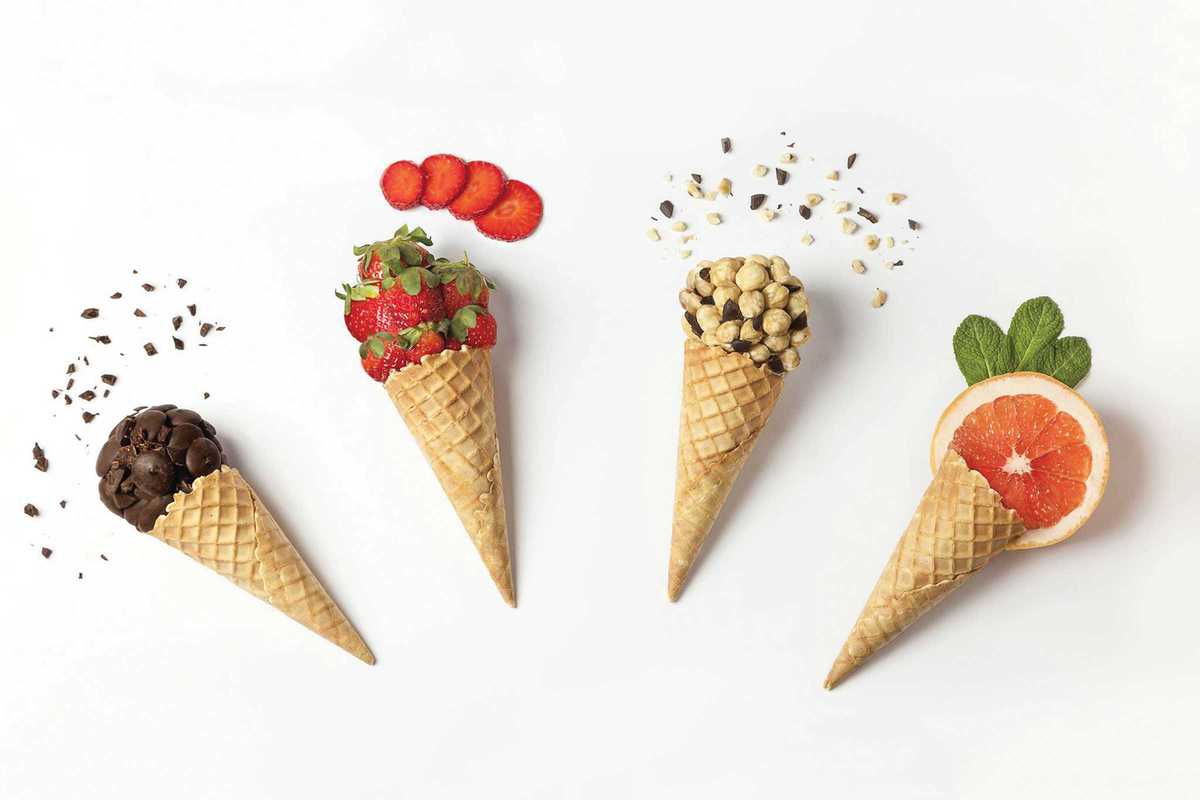
A second DelaCrem has opened, this one on the tree-filled, wide avenue of Passeig de Sant Joan. On first glance, DelaCrem Obrador looks like nothing more than a narrow shop front with a crowd of people shifting their weight from one foot to the other until it’s their turn at the counter. Behind the counter of gleaming sliver tops, however, there is a narrow seating area with a few tables, and behind that, the glass-fronted workshop.
As before, the flavors change to reflect the seasons, and there is a handy flavor wheel pinned up for reference. This is natural ice cream, meaning no additives or stabilizers. The ice cream will seem colder than usual, since it hasn’t had volumes of air beaten into it, and will melt quickly. Not that this will be a problem, as DelaCrem make the kind of ice cream that is wolfed down greedily, with one eye on the line as you consider whether you should dip back in for seconds.
The answer, by the way, is yes.
Address: Passeig Joan de Borbó, 58–59 (Barceloneta)Hours: Today 13:00–16:00, 20:00–23:00
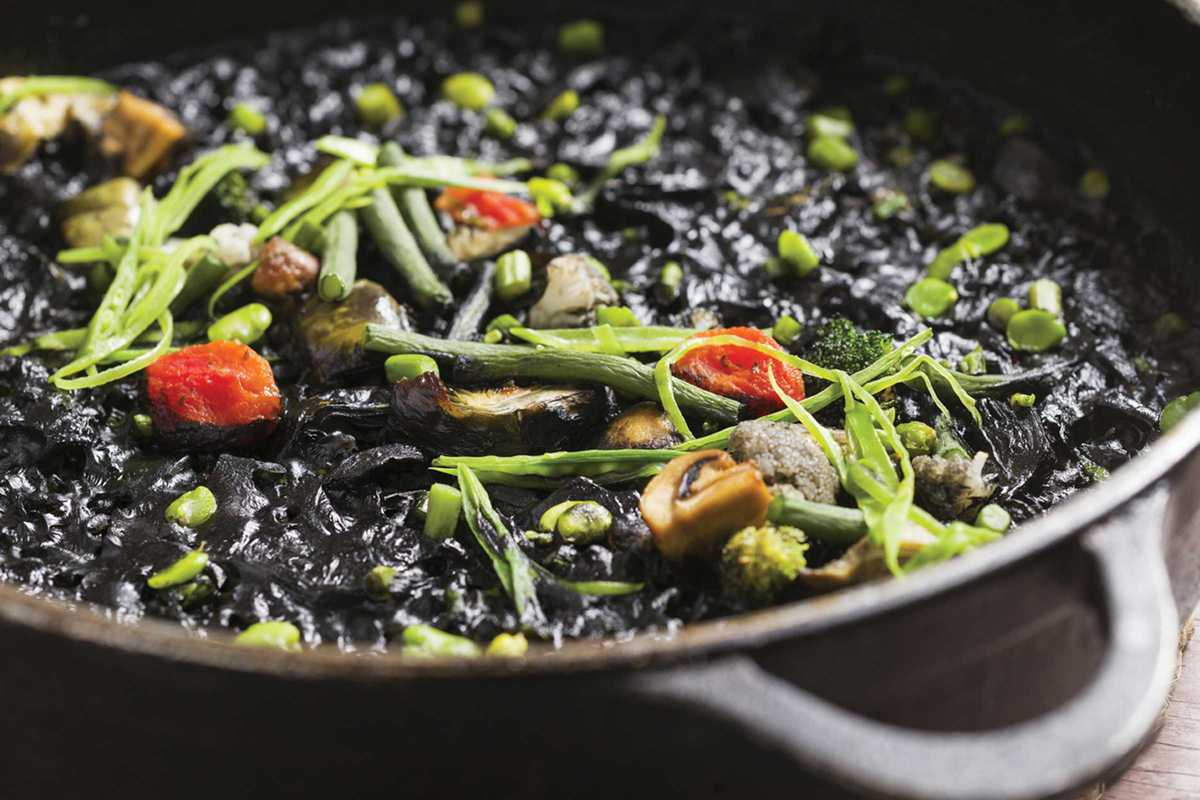
Along Passeig de Joan de Borbó, you’ll encounter dozens of restaurants, some with unique style and accomplished, local cuisine… others, well, not so much. But farther down towards Barceloneta’s beach, you’ll come across a place that serves what is arguably the best paella in the city: La Mar Salada.
Being so close to the ocean, and to the daily local fish auctions, it’s no wonder La Mar Salada specializes in seafood, as do many of the restaurants in the area. With some of the best seafood around, it’s difficult to stand out from the crowd here, making it all the more impressive that they do. La Mar Salada wins praise for its good service and comfortable atmosphere, but more importantly, for the quality and presentation of its food.
The menu is varied, incuding tapas, salads, steak and grilled fish, but most people go for their rice dishes, such as arroz negro (tinted black with squid ink) or one of their famous paellas, which I can personally vouch for as utterly delicious.
Address: C/ Montcada, 2 (El Born)Hours: Today 12:00–23:00
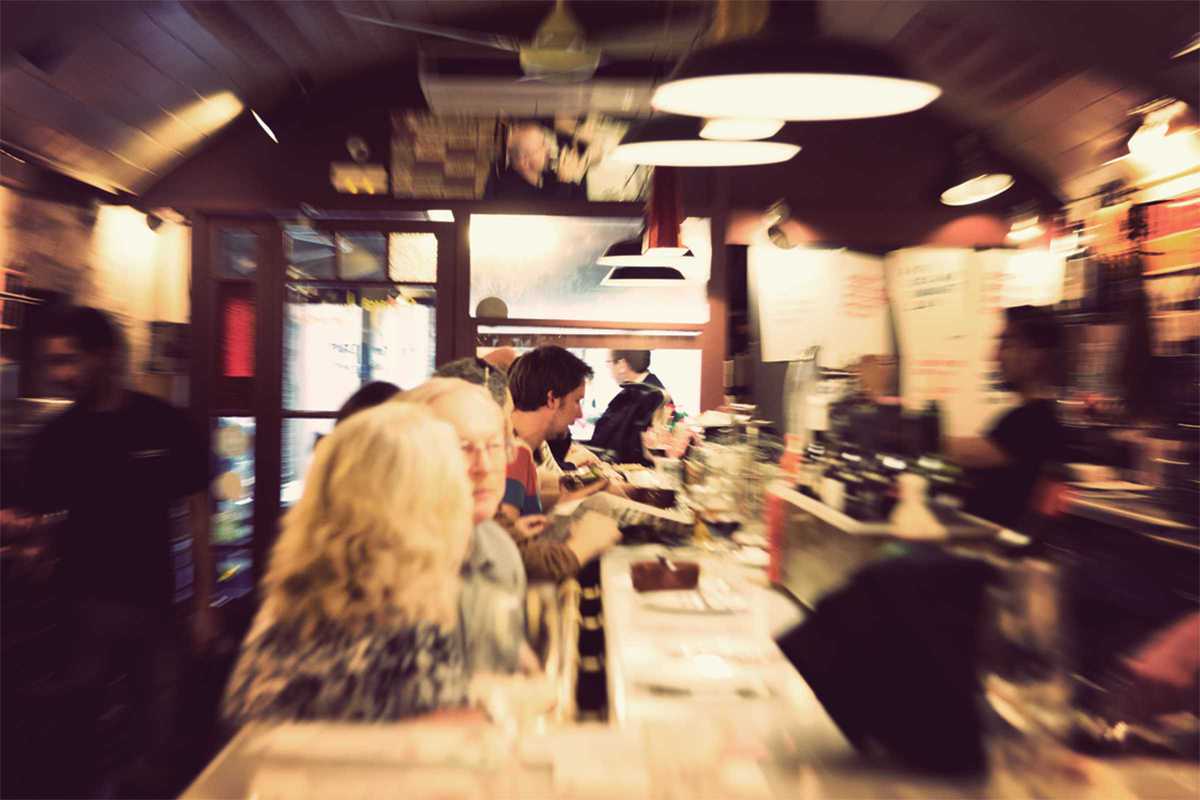
This casual, innovative Catalan restaurant and bar, sister spot to the celebrated restaurant Pla, is the perfect place to enjoy delicious, high-quality traditional dishes in a relaxed atmosphere. Well located in the Born, near the Museu Picasso, it’s a convenient stop for draft beers and tasty tapas.
Tempura-like artichokes and squid-ink croquettes brighten up the tasting menu. More elaborate plates like charcoal grilled fish of the day, or succulent meat dishes with seasonal vegetables complete the experience. Many regional wines on offer complement the deliciously generous dishes – served hot and prompt and guaranteed to please.
Address: C/ Sant Pere Més Alt, 49 (El Born)Hours: Today 9:00–0:00
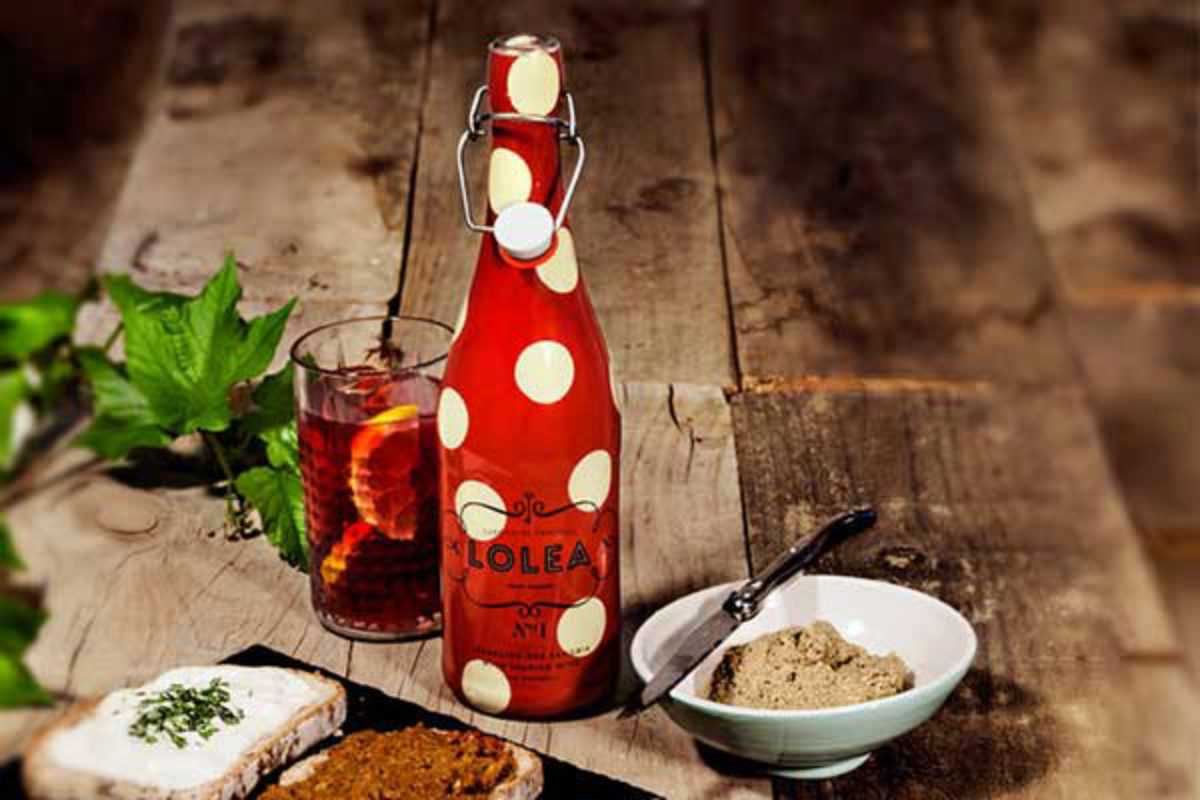
Steps away from the stunning façade of Palau de Musica yet far from the flow of mass tourism, Casa Lolea offers a charming, quality alternative to the overpriced pitchers of sangría that dot the plastic tablecloths of Las Ramblas. Casa Lolea ups the ante on the traditional vermouth bar, serving up a refreshing new brand of artisan sangría ideal for those looking to add modern flair to the Sunday tradition – or for anyone craving an after-work drink with a bit of fizz and plenty of sophistication.
Casa Lolea serves handcrafted and all-natural red and white varieties of sangría, as well as a tangy, herb-infused “gastronomic” sangría that is the perfect combination of spices, fruit and fizz. For spring, they are introducing a fourth variety of sangría made with white wine, elderberry and wild apple. For something a little stiffer but no less spectacular, sample one of their signature sangría cocktails, like a Lolita’s, made with vodka, orange juice, strawberries and sangría.
If a liquid lunch is not part of your diet, don’t worry, head chef Ramón (of Elsa & Fred fame) has got you covered. The non-stop kitchen offers breakfast, tapas and montaditos, and a weekly lunch special – soup and risotto, say. Try the foie micuit with onion marmalade & volcanic sea salt, cecina (cured beef) with semi-dried tomatoes & ricotta, or the salt-cured tuna with orange, scallions & almonds – all pair perfectly with a glass of sangría, wine or a house vermouth.
Thanks to its retro air and bright décor, Casa Lolea has brought a much-needed burst of style to Sant Pere Més Alt. It has also quickly become an elegant meeting spot for both urban foodies as well as young Catalans looking to revamp their grandfather’s Sunday afternoon tradition.
Nightlife
Address: C/ Consell de Cent, 261 (Eixample Esquerra)Hours: Today 17:00–3:00
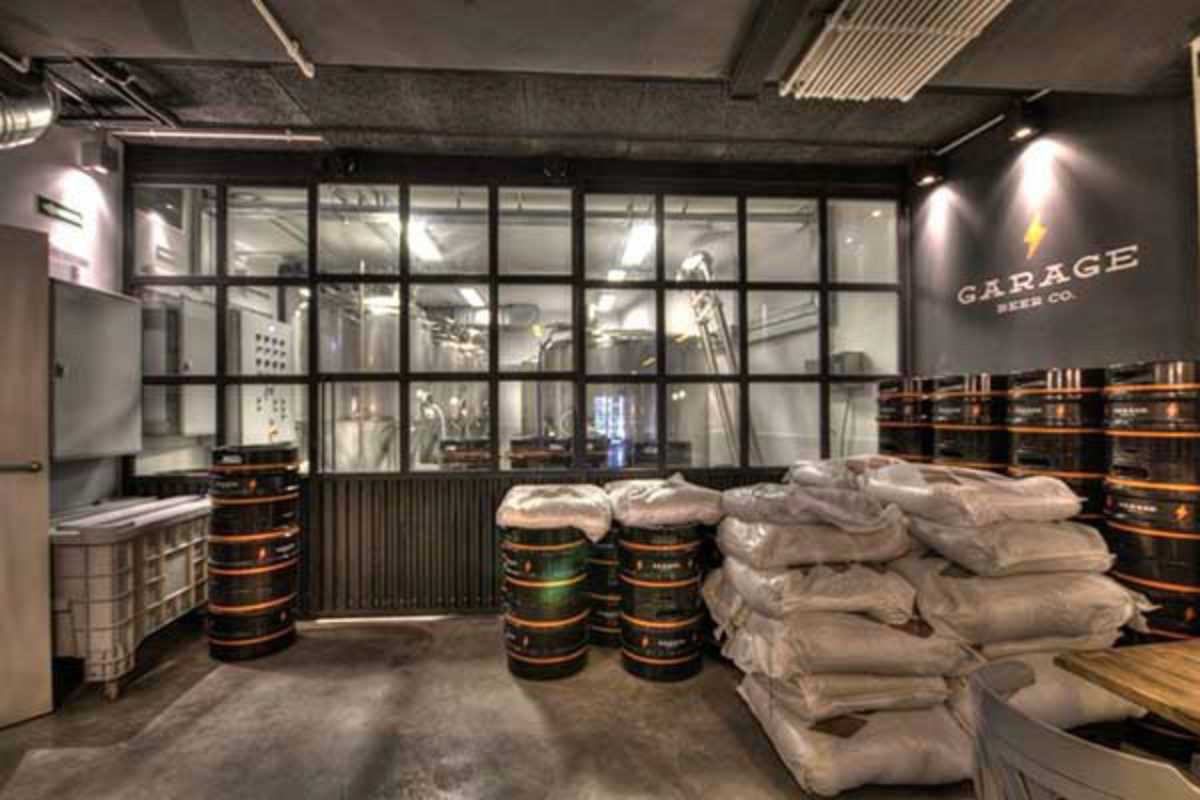
Opened in 2014, this UK-style brewery is one of Barcelona’s most central stops for quality brews. Their laser-sharp focus is admirable: they are a “beer company” first, not a brewpub – the beer comes first, everything else is secondary.
And the quality of their beers shines through. They launched with three beers and currently regularly produce seven, including Riba lager, Blacksmith imperial stout and deliciously hoppy Garage IPA. They carefully add varieties one at a time, making sure they nail each one. Garage round out their offering with a selection of beers from other brewers too.
The food is worth a mention as well: tapas, sandwiches and finger food like nachos are on offer. Garage also host frequent cultural events and support local artists.
Address: C/ Basses de Sant Pere, 10 (El Born)Hours: Today 12:00–1:30
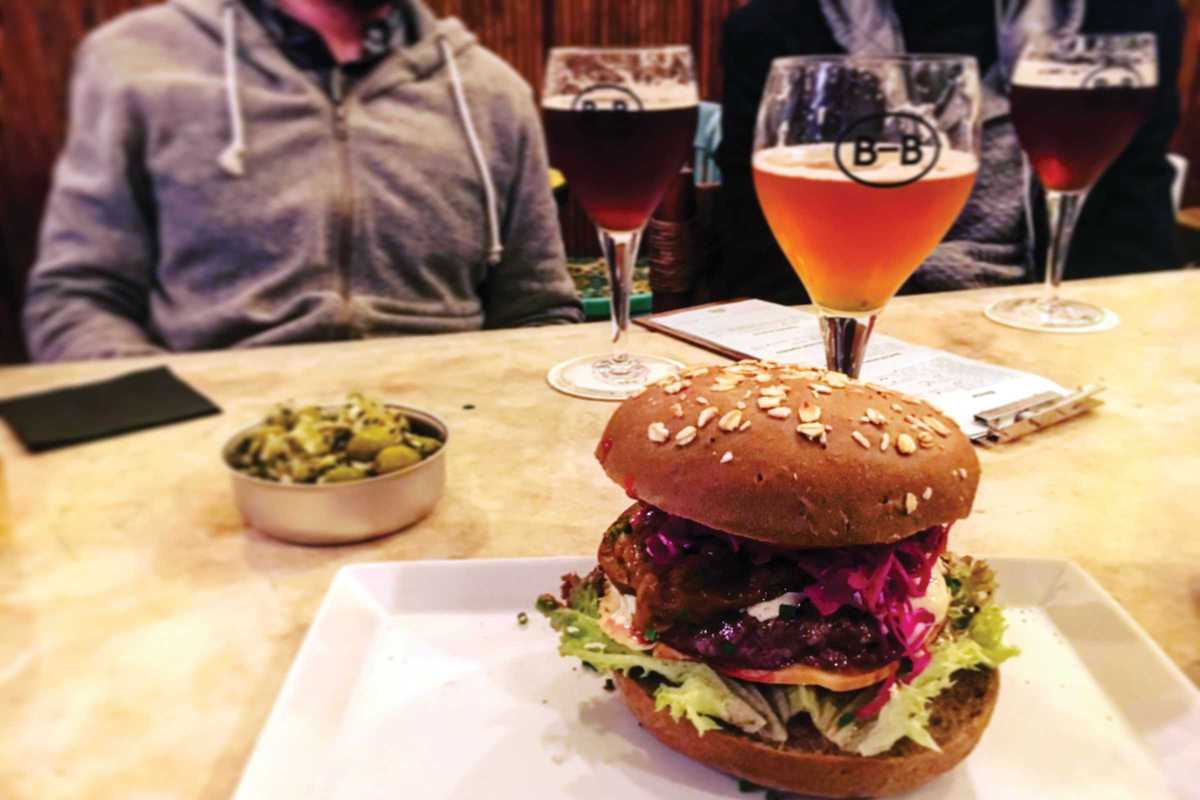
Little did Alex know that his move from London to Brussels to pursue a career in politics would change the course of his life. As often happens when one goes to Belgium, it didn’t take long for him to discover the joys of Belgian beer. The lusty lambics. The sultry saisons. Then Alex met a Barcelonian called Carlota and found himself asking, “What if?”
A couple of resignations later, Alex and Carlota were setting up home in Barcelona. Alex began guest brewing Barna-Brew’s range of Moreneta beers, distributing them to local bars and picking up awards along the way. Spurred on by the success, he found a space to call home on the suitably chic Carrer Parlament, where he opened an industrial-scale brewery and a beautiful bar where you can quaff your way through the Belgian-Catalan inspired brews. Later, they moved to the trendy Born neighborhood
The “beermut” tapas are perfect sipping companions, while the meaty Moreneta Burger is proper beer-drinking grub. And they lived happily ever after.
Address: C/ Bergara, 10 (Eixample Dreta)Hours: Today 17:00–23:00
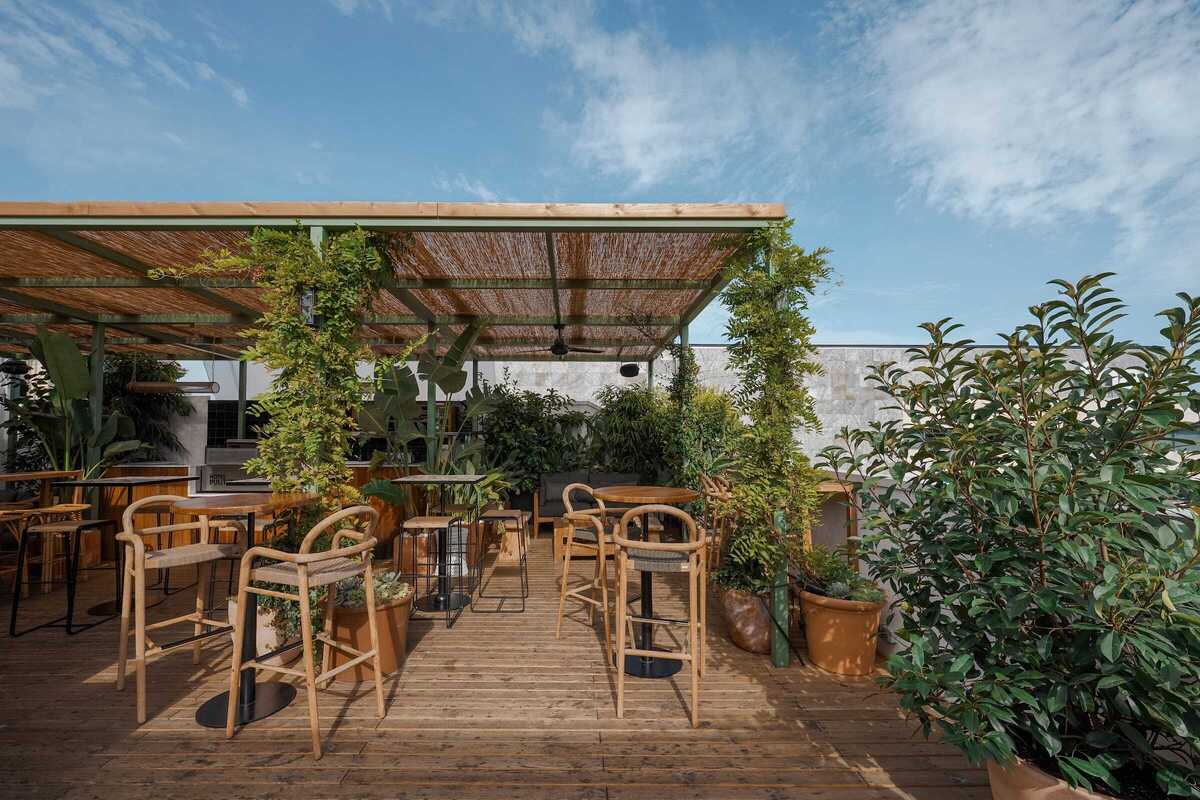
Barcelona has no shortage of rooftops that treat the sunset as the entire program. Terrassa Pulitzer books DJs instead.
From May to October the terrace runs #BuenasTardesPulitzer, and the booking is the thing worth knowing about. Wednesdays go to concerts from the independent scene – pop, electronic, funk – while Thursday through Sunday rotates DJ sessions drawn from actual Barcelona clubs and collectives rather than whoever the hotel has on retainer. That single decision is why the crowd skews local, and why the lineups have got better year on year instead of settling into background music for people taking photographs of the skyline.
It helps that the space doesn’t read as a four-star hotel amenity. A block off Plaça Catalunya on Carrer de Bergara, it’s low wooden furniture, cushions in undyed colors and enough greenery to lose the building underneath you – closer to a friend’s very good terrace than to a lobby that happens to have gone upstairs. The kitchen works in sharing plates: truffle croquettes, Andalusian-style squid with citrus mayo, a chicken tikka sandwich, a properly made ensaladilla rusa. The cocktails hold up their end.
The season is short and the room is small, so check who’s playing and go on a night that suits you.
Address: Plaça Santa Maria, 5 (El Born)Hours: Today 12:00–1:00
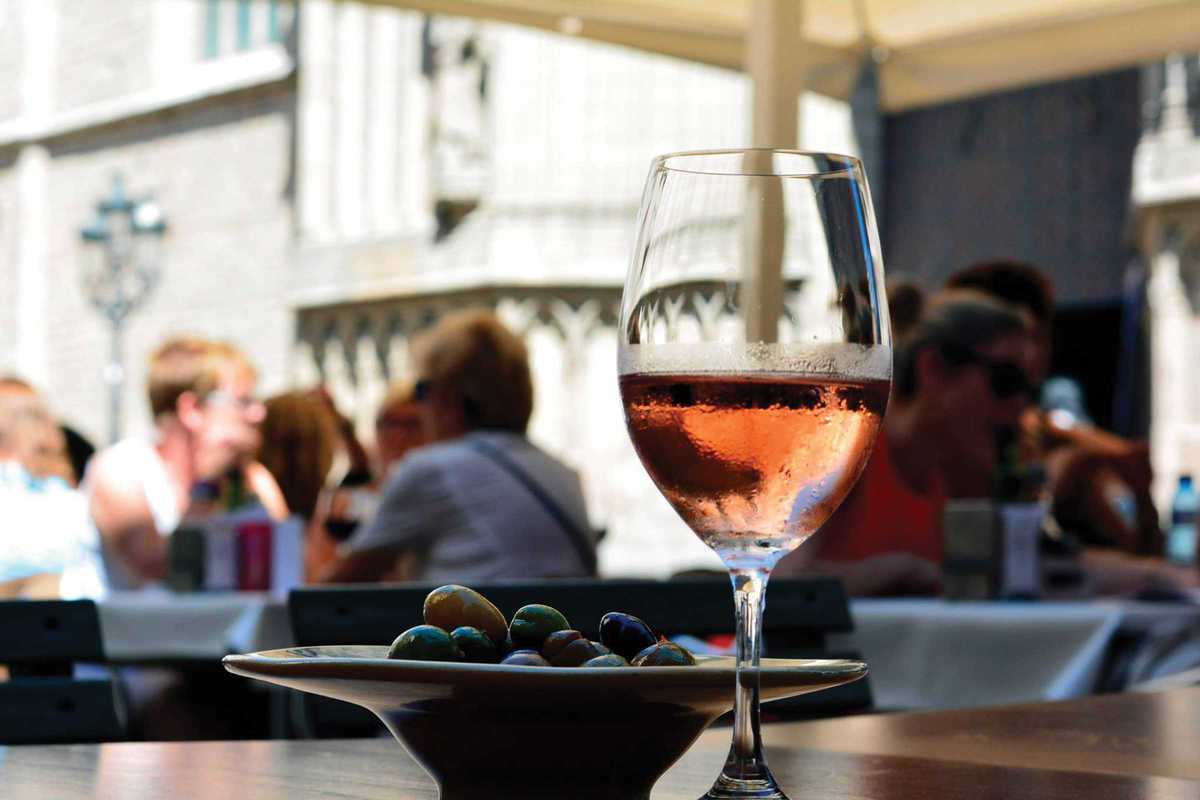
Resting at the foot of the Gothic Santa Maria del Mar church, this diminutive wine bar packs a colossal punch and is widely revered as one of the city’s very best. If you’re lucky enough to squeeze inside, you’ll find a few poser tables to perch at on the ground floor and a snug area on the upper floor.
Mainly, however, indoor space is reserved for more important things, like cases upon cases of wine. There are around 400 references in stock at any one time, 20 of which are available to sup by the glass. But of course, it’s the coveted outdoor terrace that steals the show, where a fortunate few get to while away an afternoon with the aromas of fine wine and the sonorous sounds church bells washing over them.
La Vinya del Senyor (“The Lord’s Vineyard”) is a harbor for hedonists – a religious experience, even for heathens.
Address: C/ Muntaner, 114 (Eixample Esquerra)Hours: Today 19:00–3:00
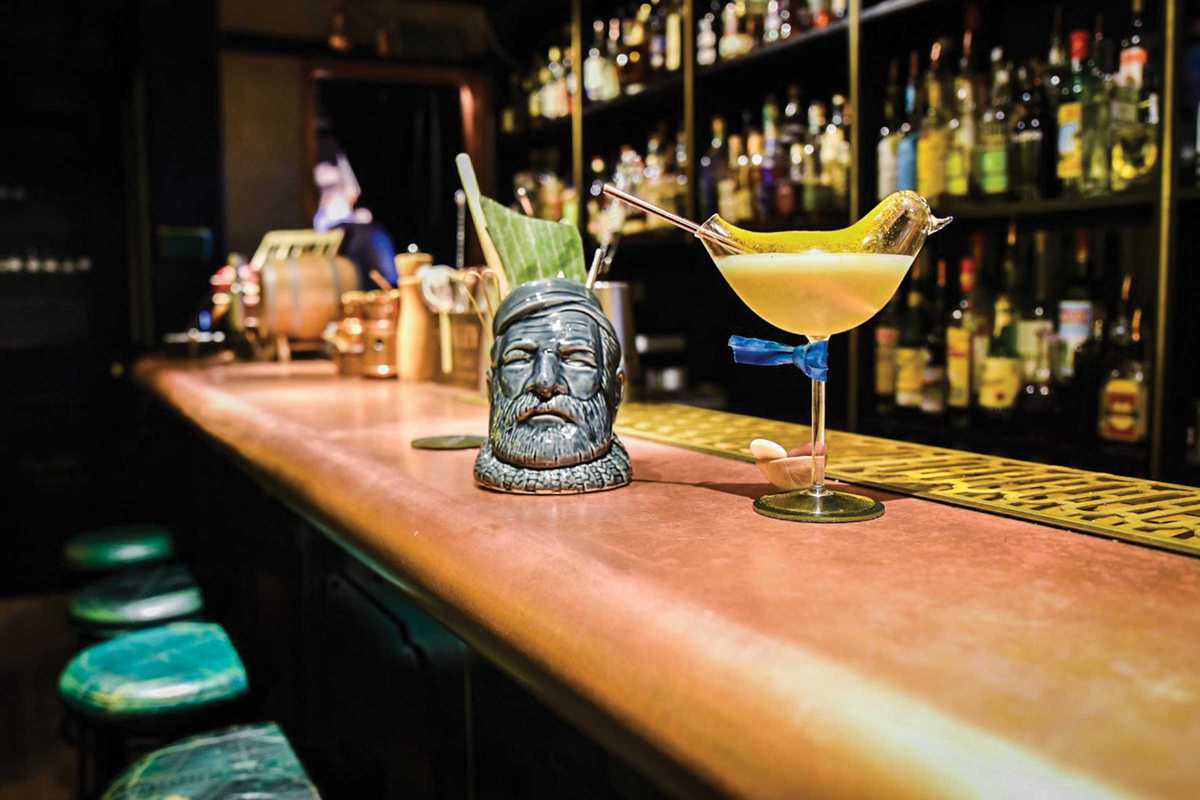
Ernest Hemingway once said to “never sit a table when you can stand at the bar,” which makes me think he’d be rather impressed with this cozy little cocktail joint. It’s a shrine not only to the writer’s work, but also to the way he lived.
“I wanted to create a place where Hemingway himself would be happy to drink – where he could sit and relax at the bar and talk to the bartender,” explains Luca, the owner. It’s a gorgeous space. Green leather stools line a solid copper bar, complemented by dark wood paneling etched with the names of the master’s iconic novels.
Naturally, you can sip all of Hemingway’s favorite tipples, from the simple scotch & soda to gimlets and martinis. Start with a punchy Papa Double Daiquiri, just like Papa liked his, before moving on to the ultra-creative house concoctions. This is the place “to have and have another.”
Address: C/ Botella 7 (El Raval)Hours: Today 20:30–3:00
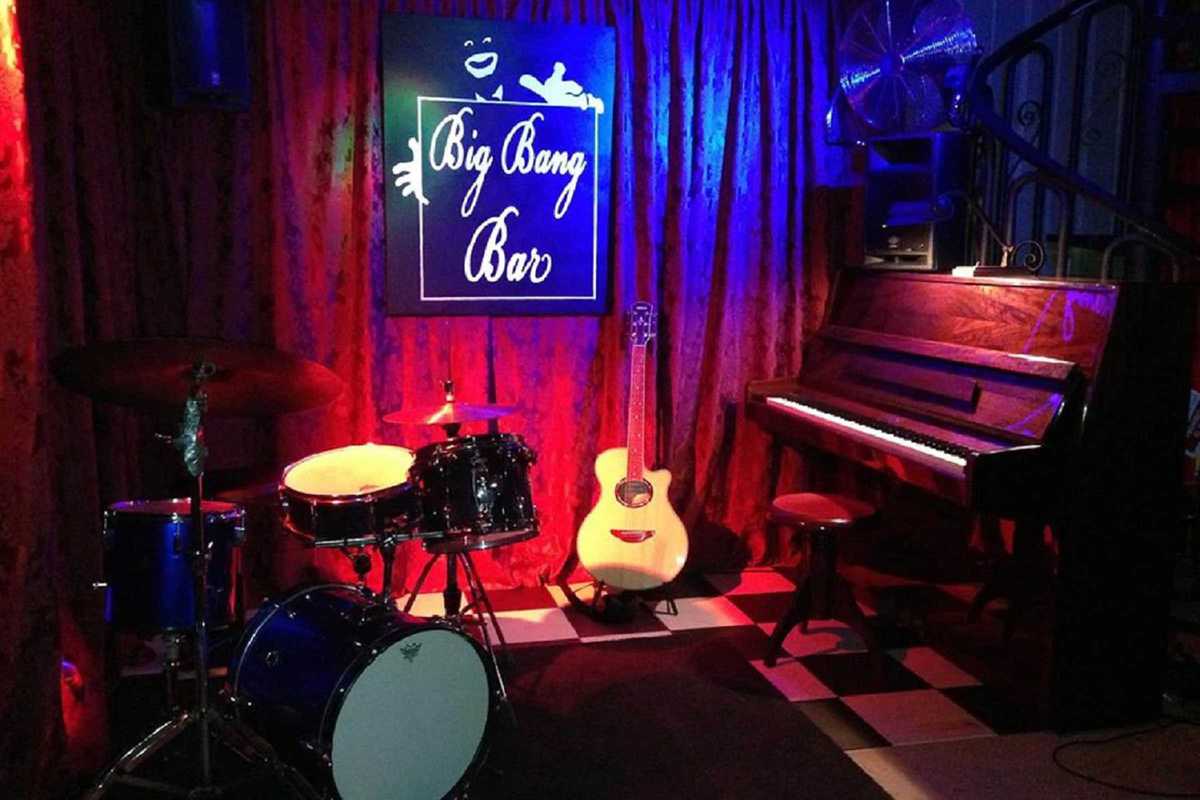
What came before the Big Bang? God only knows. What’s for sure is that it’s long been a mecca for local musicians and traveling tunesmiths looking to share music on an intimate stage.
Hidden away down a backstreet in Raval, the Big Bang Bar is an atmospheric gem of a venue. With four open mic/jam nights dedicated to select genres – from jazz and swing to rock, folk and soul – as well as concerts from some of the city’s talented performers, there’s no wonder the place is regularly packed out. A cozy stage and a crystal clear sound system create the ambience, while the long narrow bar and giant screen projection of the stage add depth to the room and audience.
And what an audience. Quick to show warmth to nervous newbies and raise the roof for special talent, Big Bang Bar’s crowd make this a truly unique place.
Address: C/ Santa Teresa, 1 (Gràcia)Hours: Today 19:00–3:00
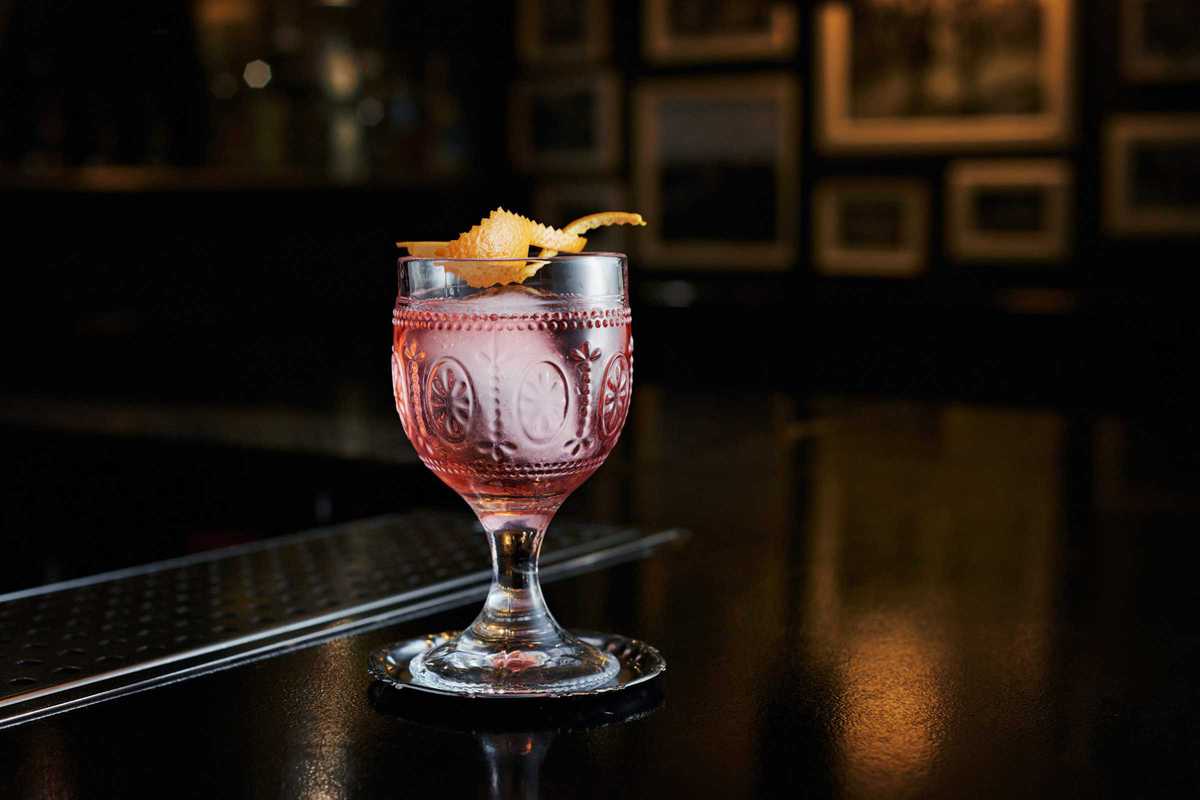
Emulating ‘20s and ‘30s US Prohibition-era speakeasies, this tiny cocktail bar was inspired by the American tradition of Kentucky bourbon and rye whiskey.Old Fashioned was opened on 12-12-12 by founders Luca and Bruno, who formerly ran the bar at a luxury, 5-star Barcelona hotel. The pair soon filled the space with over 100 kinds of rye and bourbon, including the prized Pappy Van Winkle bourbon.
Whether you’re thirsty for a Bloody Mary, a passionfruit mojito, a pisco sour or one of their Old Fashioned cocktails, presentation is key here. One Old Fashioned, Your Ball’s in My Hand, comes in a black ball glass, cradled in a golden hand. Grab your drink and find your way upstairs to the Kentucky room, showcasing the owners’ visit to the Four Roses distillery.
Casually elegant, don’t you dare enter wearing baseball caps or flip flops. But do request the Rolling Stones… they’ll play it if you’re willing to stick your tongue out like Mick Jagger.
Address: C/ Nou de Sant Francesc, 5 (Barri Gòtic)Hours: Today 23:59–6:00
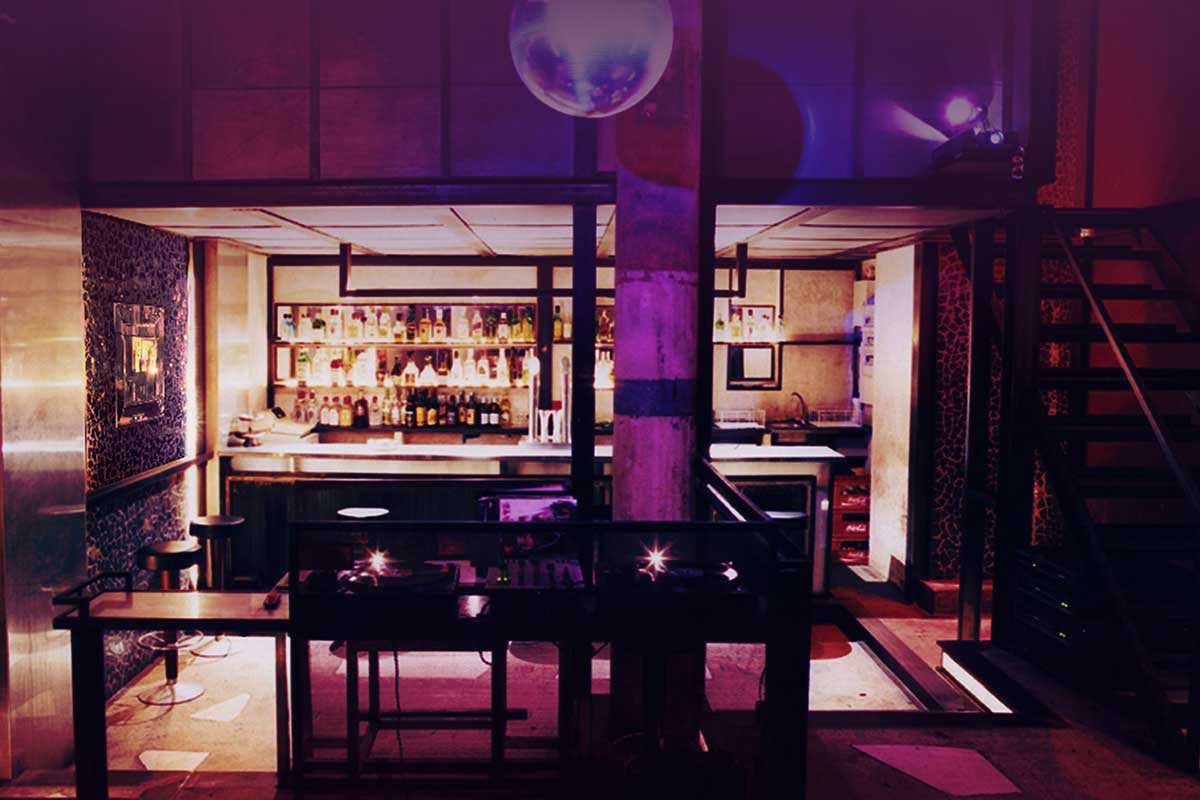
Stand toe-to-toe with some of Europe’s most revered underground house and techno DJs at Macarena, Barcelona’s tiniest nightclub. Under a single glitter globe, the DJ booth sits right in the middle of the dance floor at this blistering underground temple of groove, hosting both local and international talent.
But don’t let its diminutive size deter you – originally a tablao flamenco venue, this intimate space now boasts what is frequently hailed as the best sound system in Barcelona and has amassed a loyal following of non-commercial dance music fanatics. The atmosphere is warm and cosmopolitan, with a mix of friendly regulars and in-the-know night owls tearing up the dance floor on a nightly basis.
Whether you’re a die-hard dance devotee or are simply looking for something fresh and exciting, Macarena is pretty much guaranteed to provide the fix you’re after.
Address: C/ Nou de la Rambla, 113 (Poble-sec & Montjuïc)Hours: Today 20:00–4:00
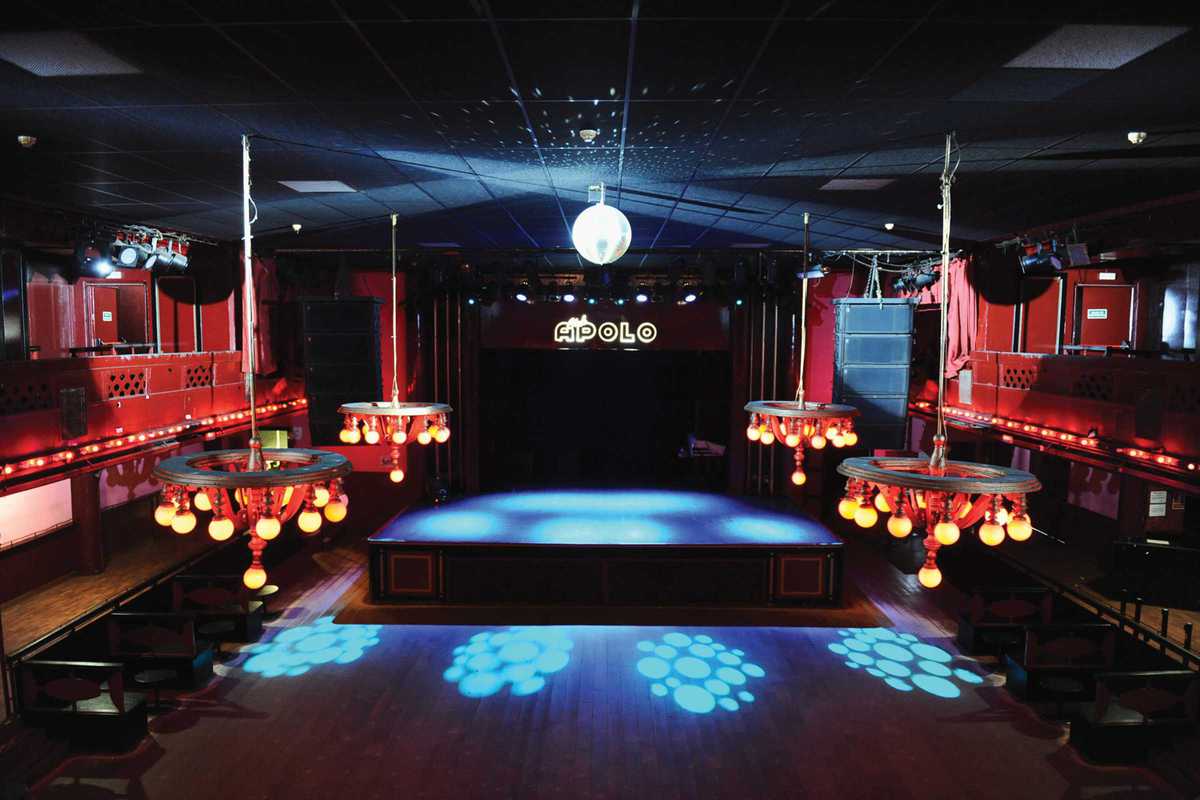
The area around Avinguda del Paral•lel has always been at the heart of Barcelona’s nightlife. Famed for its theaters and music halls since the beginning of the 20th century, it continues that tradition today, including the ever-popular club and concert venue Sala Apolo.
Founded in 1943 as a dance hall, the main room still retains that look and feel, but club nights range from Nasty Mondays and reggae with the Caníbal Sound System on Wednesdays to Nitsa, their Friday and Saturday electronic music session. Both the main room and second space La [2] de Apolo host live concerts Monday to Sunday, ranging from tour dates by major artists to Caprichos de Apolo, which offers a diverse selection of music from around the world.
La [3] lounge bar completes the picture.
Address: C/ Almogàvers, 122 (Poblenou)Hours: Today 0:30–5:00
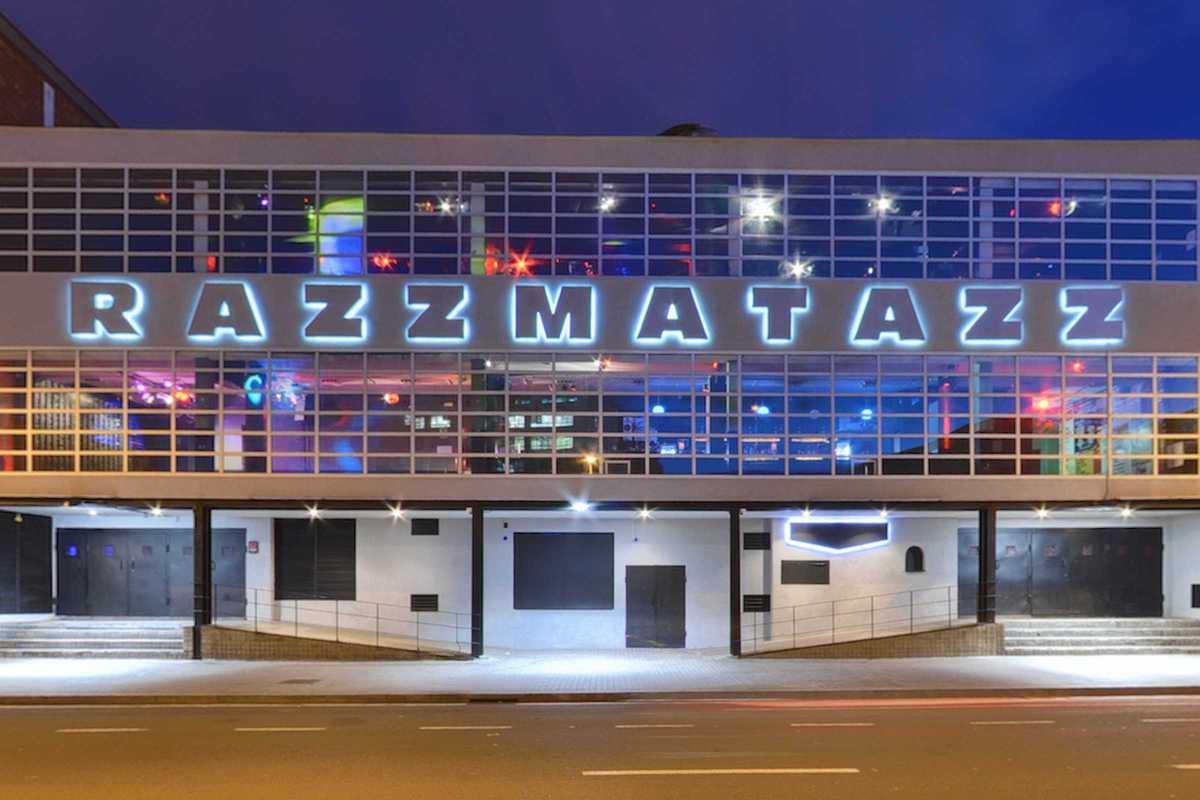
In October 2018 Razzmatazz celebrated its 18th anniversary, so they must be doing something right. In fact, the Poblenou venue is arguably Barcelona’s most popular club, and has the international reputation to match. As well as their weekend club nights, Razzmatazz is a major concert venue with the main room (Razzclub) and room two upstairs (The Loft) hosting live shows.
With five spaces, clubbers are spoiled for choice, and they can mix and match their musical entertainment from DJs and live acts across the night. Based inside a complex of warehouse buildings, Razzmatazz is like a labyrinth, making it all the more fun to explore, from the cavernous main arena to intimate corners like Lolita (room three), the Pop Bar (room four) and the Rex Room (room five). The Loft is also the place to be for house and techno.
Address: C/ Escudellers, 49 (Barri Gòtic)Hours: Today 22:00–6:00
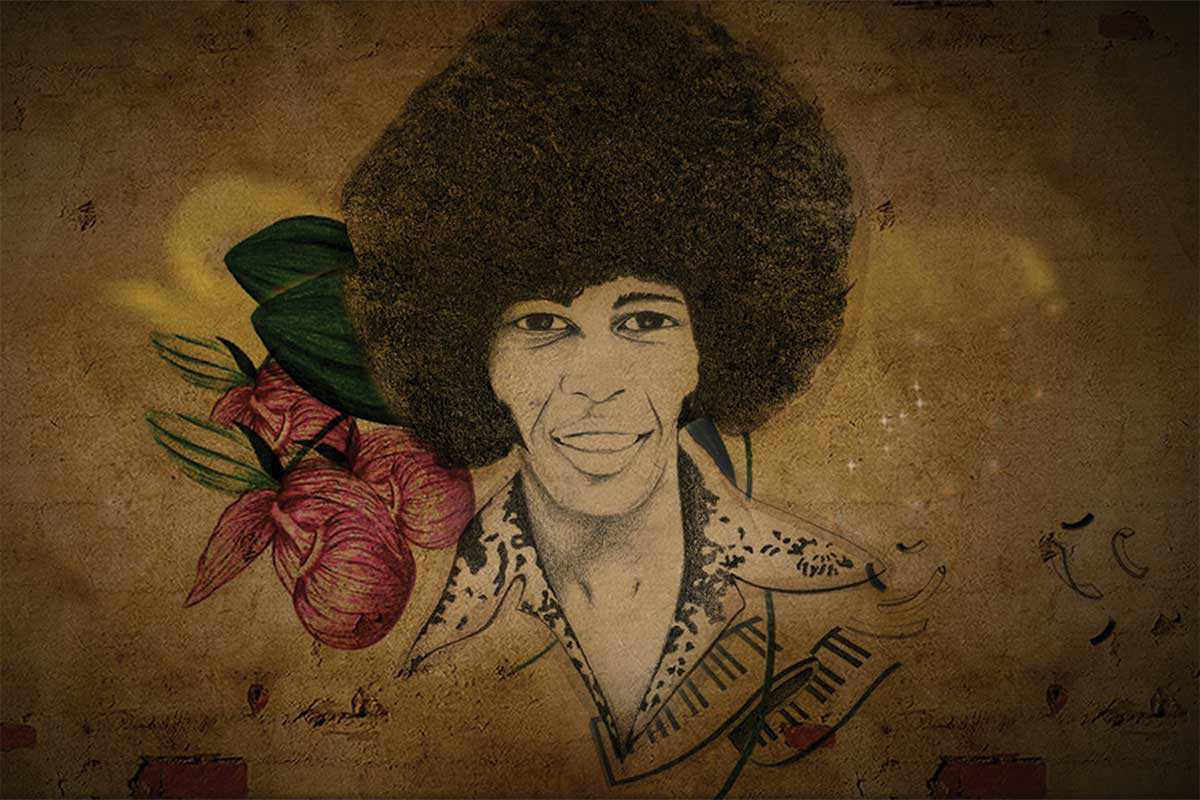
The younger sibling of Madrid’s iconic nightclub, which bears the same name, Marula Café’s sole goal in life is to pump “real music” through the veins of Barcelona.
Electronic beats are eschewed in favor of funk, disco, soul and Afrobeat rhythms, with timeless floor fillers from the likes of James Brown, Michael Jackson and Sly & the Family Stone setting the scene for serious dance-offs. Not too big and not too small, the vibe is fun and familiar and its super central locale – just off Plaça George Orwell – attracts a lively crowd of both local funkadelics and adventurous visitors who stumble beyond the boundaries of Plaça Reial.
Don’t miss The Presidentes or DJ Timber’s “We Funk” nights, and be sure to give up the funk at one of the legendary “Freaky Flo Parties.” Open nightly, it’s time to put on those hot pants and get up offa that thing!
Address: C/ Vilà i Vilà, 63 (Poble-sec & Montjuïc)Hours: Today 23:59–5:00
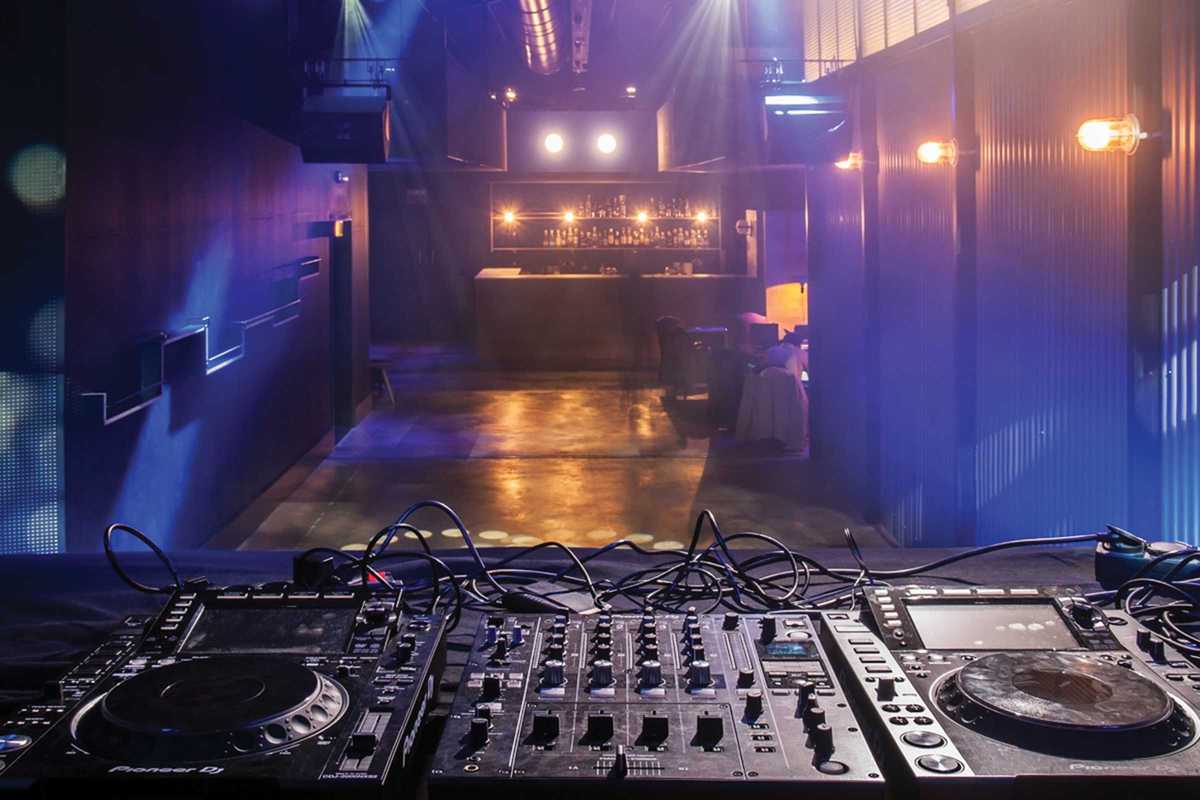
After a false start owing to sound issues, the cozy nightspot in Poble Sec known as Laut has now made a name for itself as the credible, comfortable and cool club that Barcelona has been waiting for.
Its weekend bookings are selected by the team behind the Lapsus label, festival and radio show, and is unusually varied within the possibilities that electronic music can offer. There are no residents and few regular nights, so the publication of each month’s flyer attracts much interest from underground commentators. Leftfield successes have included the electro of CPU Records, tropical disco from Awesome Tapes From Africa and the IDM of B12.
Inspiration for the venue has clearly come from the promoters’ trips to Europe’s clubbing capital Berlin, evident in the clean sound, industrial fittings and Club-Mate in the fridges. This writer especially appreciates the sofa area, almost extinct in other discothèques, perfect for getting oriented in the early stages of an evening.
The club no longer stands alone on the street. It now connects through to Casa Montjuïc, the cinema and concert hall next door, with Tiberi Bar between the two for eating and drinking. Two brothers run the pair – Marco here, Edu at the Casa.
Address: C/ Montserrat 9 (El Raval)Hours: Today 23:00–3:30
Kitsch, camp, fantastically trashy and endlessly fun, El Cangrejo is the gay dive bar you’ve been looking for. Guaranteeing “the most fun” in the whole of Barcelona, El Cangrejo hosts drag nights, lip-sync performances and occasionally theater plays that have RuPaul turning in his diamanté-encrusted pajamas. It’s raining men!
Great for a cocktail and a dance among the handsome Spanish fellas, it’s a staple Saturday night for the locals. Get your dancing shoes on queen, as DJs spin classic ‘70s, ‘80s and Spanish pop hits to help you let your hair down and boogie the blues away. A friendly vibe and cute bartenders make El Cangrejo an unmissable stop on your LGBTQ+ club list.
Make sure you hit it up in the cooler months though, as it gets hot as hell in the summer. Now, vogue baby!
Style & design
Address: C/ Vic, 15–17 (El Born)Hours: Today 12:00–20:00, 16:30–20:30
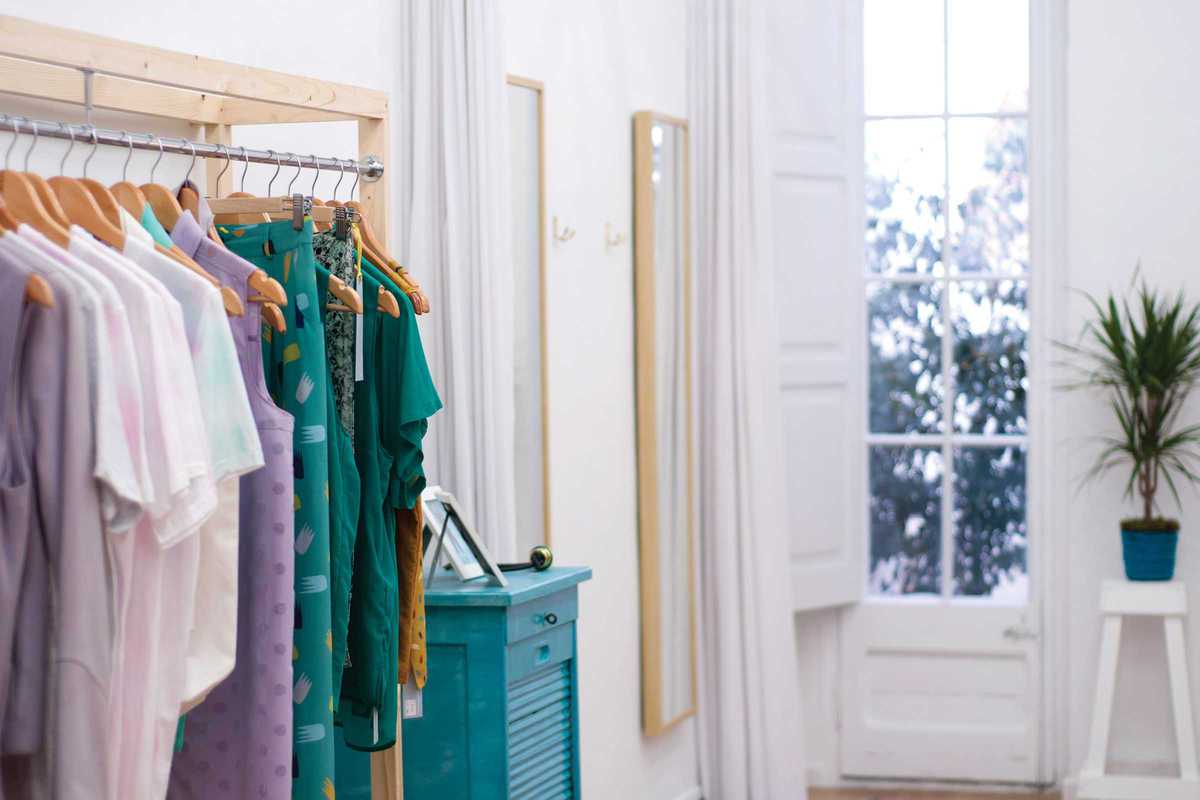
Colmillo de Morsa, which translates as “walrus fang,” is a sustainably conscious fashion label from Barcelona founded by designer Elisabet Vallecillo together with marketing professional Javier Blanco.
All pieces are made by hand using toxic-free materials in their workshop in Sant Pere. The style is feminine and casual, and the garments use light fabrics like cotton, silk, rayon and Tencel, making them perfect for the warmer summer months. Having showcased their creations at Parisian fashion fair Who’s Next, Madrid’s Cibeles Fashion Week, and Barcelona’s 080 Fashion Week, Colmillo de Morsa started to gain an international following.
Their Sant Pere studio-cum-showroom also stocks garments and accessories from up-and-coming local designers who share their philosophy of sustainable fashion.
Address: Av. Rius i Taulet, 120Hours: Today 9:30–20:00
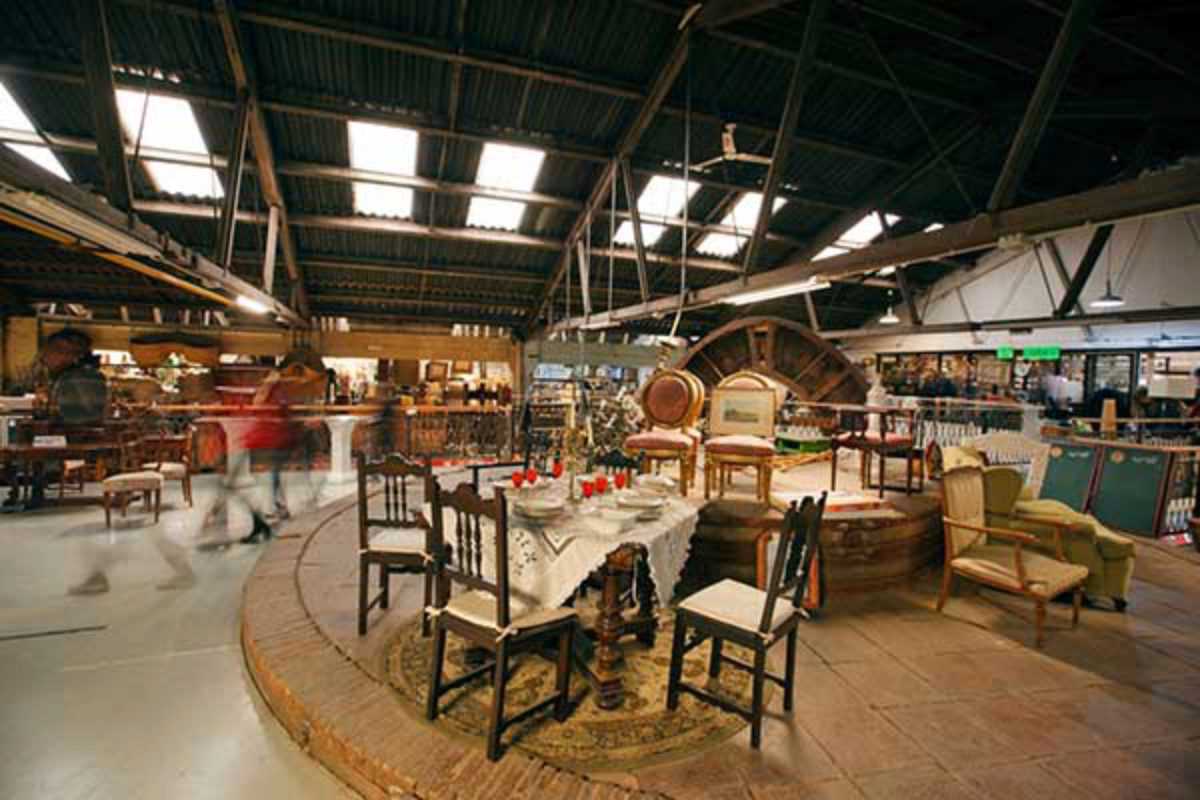
Sant Cugat has certain connotations. It is generally associated with tennis clubs, pearl earrings and center-right politics, almost like a Catalan Hamptons. Aside from the occasional calçotada, it’s hard to imagine many motives to attract visitors from Barcelona and beyond. They say money can’t buy taste, but the charming antiques market in the suburbs of this affluent town is more Ouen than Encants.
Open since 1992, Mercantic welcomes thousands of visitors each week, from rich folk prepared to shell out for a mid-century chaise longue to bargain hunters searching for an alternative to Ikea. Its humble entrance betrays 10,000 m2 / 100,000 ft2 of permanent stalls contained within a series of warehouses and a couple of arcades, complemented by a selection of pop-up vintage sellers lining the wide walkways at the weekend.
Furniture, books and music are well represented, as are ornaments and collectors’ items to give your home a touch of individuality. Saturday or Sunday are the recommended days to pay a visit to this institution, when you can enjoy an old-time live performance with your vermouth in the ornate concert hall, or go all out and plump for a set menu in one of the traditional restaurants within the complex. The curiously English-style pub named Café Belgrado just outside the gate is also a decent option.
Slightly out of character with the rest of the market, but a welcome addition nonetheless, is a sizable space belonging to La Puntual, a gallery dedicated to temporary exhibitions of modern art. Mercantic is easily accessed by the FGC light railway, but you’re sure to want to go back with your own transport once you clap eyes on the vintage treasures on offer.
Fitness & wellness
Address: Passeig Picasso 22 (El Born)Hours: Today 8:00–23:00
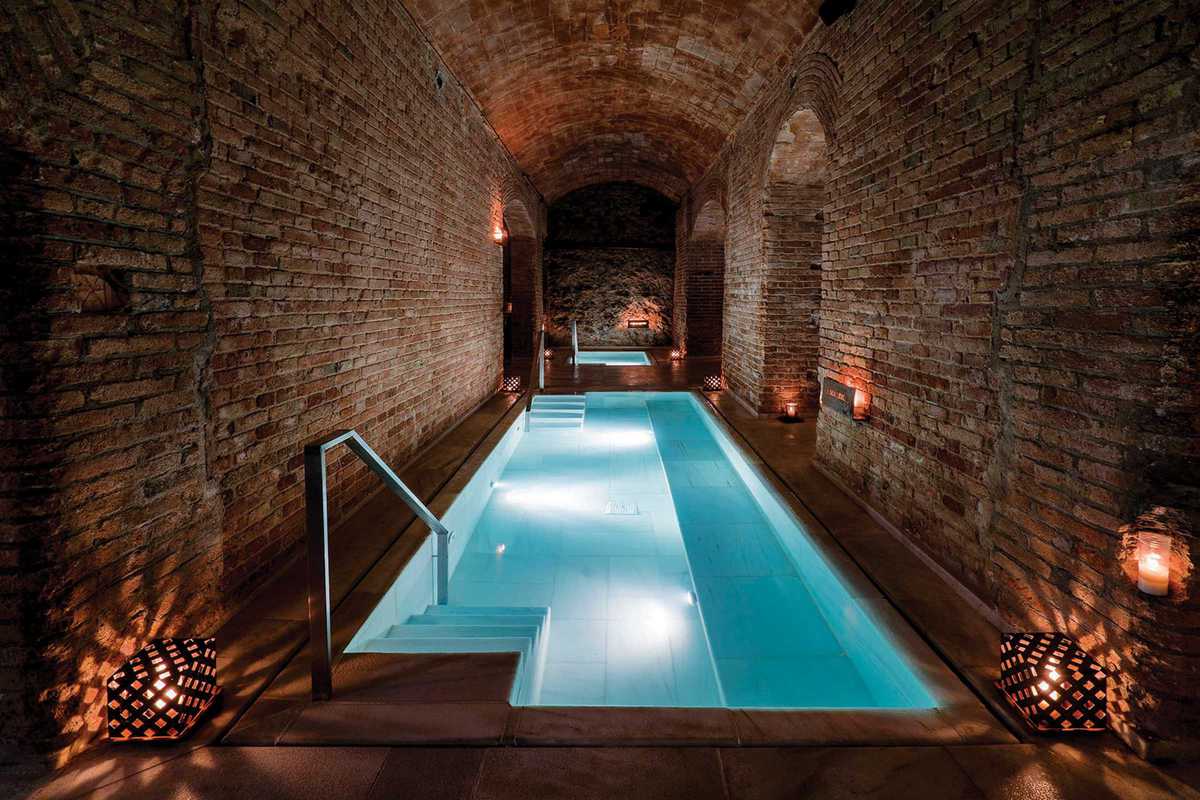
The underground sanctuary at Aire Ancient Baths in the Born is one of the city’s most relaxing spaces. Flickering candles light the way; for the length of your 90-minute session, time ceases to exist. Don’t be surprised if one of the black-clad attendants has to wake you from your steam-induced stupor to send you on your way – you won’t be the only one.
If you can, opt for a weekday morning, when you’re likely to have the pools (cold, warm, hot, jetted and saltwater) and steam room mostly to yourself. Combine a basic session with a treatment or two (the massages and scrubs are excellent) and staff may even let you linger until a new round of spa-goers appear.
Before you head back to reality via the brightly lit locker rooms, take a moment to hydrate on the hot stone lounging areas with bottomless, fruit-infused water and sweet Moroccan mint tea.
Film
Address: C/ Sant Antoni Maria Claret, 168 (Eixample Dreta)Hours: Today 15:00–0:00
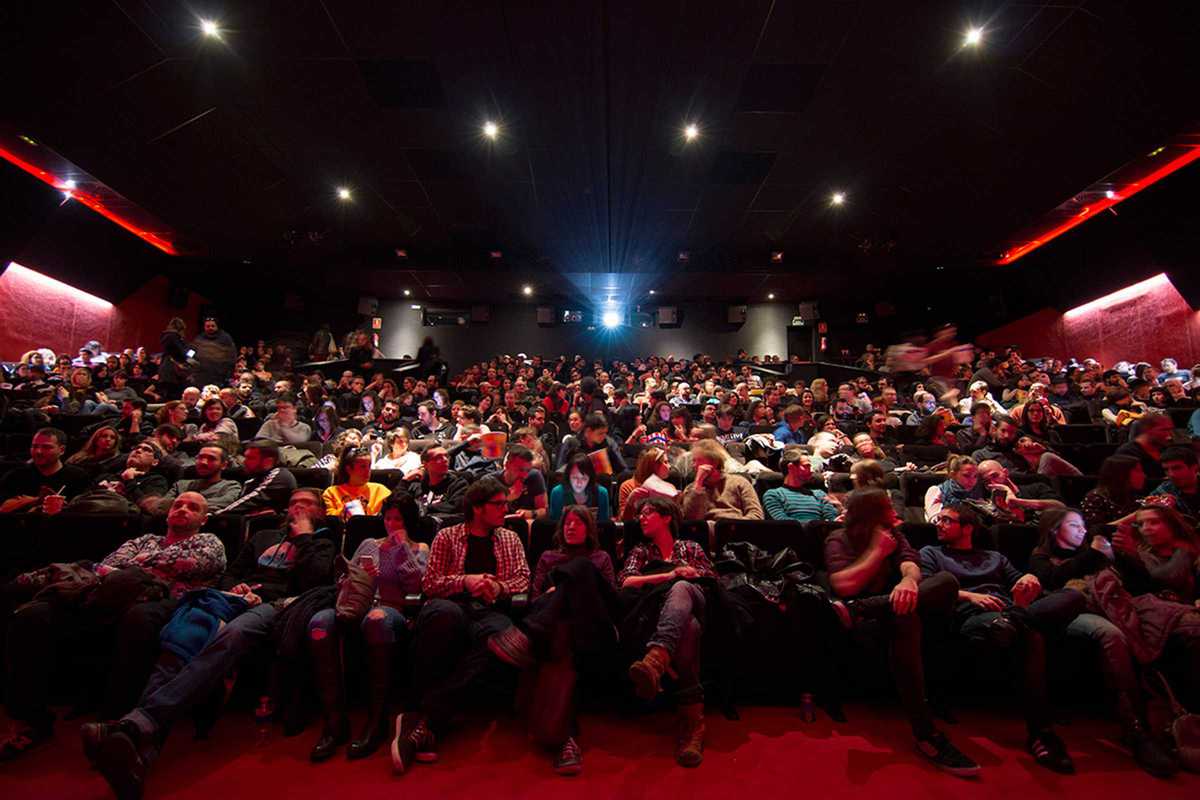
“Reality ends here” reads the welcome mat at the aptly named Phenomena cinema, Barcelona’s favorite movie-geek haunt. This is one of the biggest, most beautiful-looking and sounding rooms in Europe, and their wild and wonderful program is a masterclass in how a cinema should be used.
Owner Nacho Cerdà and his team blend the newest releases with amazing left-field oddballs, perfect double bills, special screenings and downright classics from near and far. Promising a “pure screening experience,” this is a straight-up, unparalleled, one-halled, red-velveted joy for cinephiles of all persuasion. Screening 35mm, DCP and even 70mm (the only place in Spain to do so), Phenomena goes for greatness, nailing the simple pleasures that make cinema a life-affirming wonderland.
There is something special about this place, essential for any self-regarding film lover. Who knows what its eclectic program will bring next month? It’s all part of the experience.
Dating & intimacy
Address: C/ Anglí, 69 (Sarrià – Sant Gervasi)Hours: Today 23:00–6:00
Partner swapping, swinging, open relationships. Have you ever thought about entering this world? Why don’t you pay a visit to the city’s hottest venue?
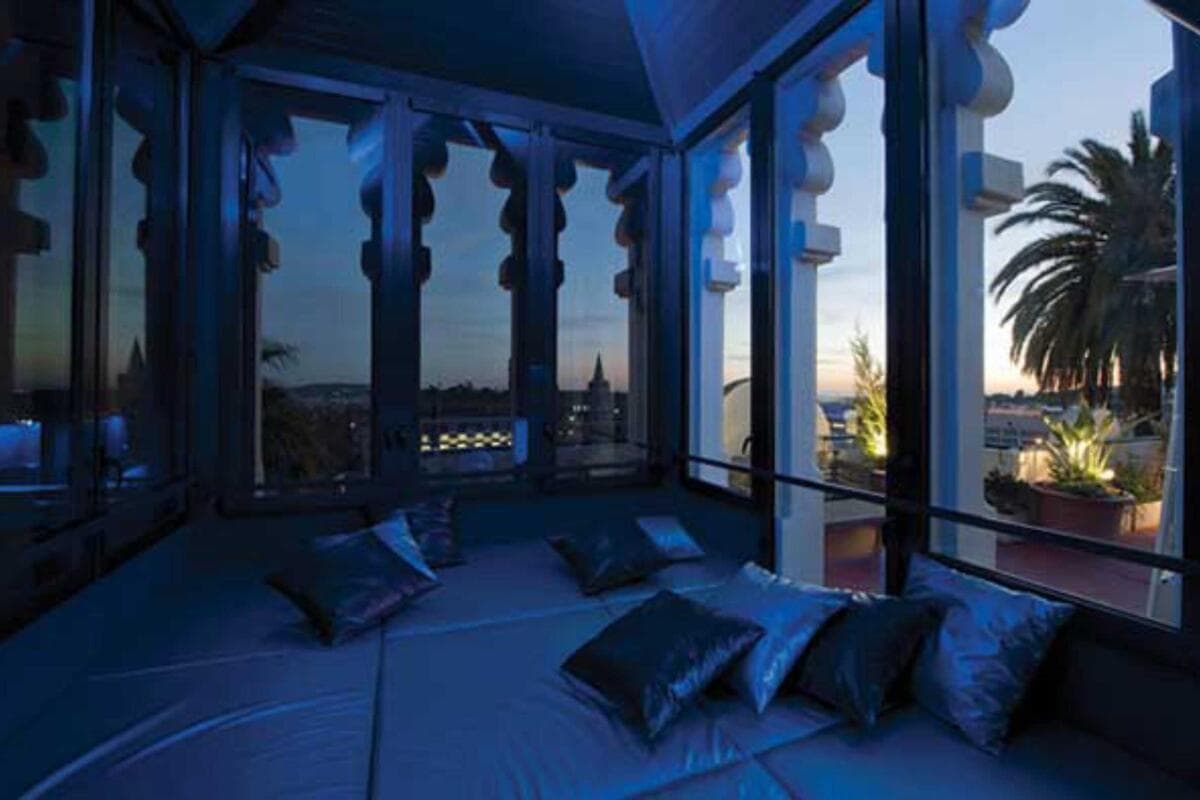
Oops is not Barcelona’s biggest club – that would be Training Pedralbes – but it is the most beautiful swingers club in the Ciudad Condal. Also situated in the upscale neighborhood of Pedralbes, Oops is a majestic mansion with warm lighting and an elegant interior decorated with erotic photography. There is an impressive cocktail bar, nightclub, outdoor terrace and second floor with various areas equipped with beds and that offers spectacular views of the city. Get into something more comfortable in the changing rooms.
And the people? It might not be the busiest club in the city but the public is select. You won’t be disappointed.
More from the guide
- The best restaurants in Barcelona
- Best tapas bars in Barcelona
- Where to go shopping in Barcelona
- The best brunch in Barcelona
- Where to eat paella in Barcelona
- Gay Barcelona: bars, clubs and beaches
- The best bars in Barcelona
- The best rooftop bars in Barcelona
- The best museums in Barcelona
- Specialty coffee in Barcelona